
Choosing between a pre-fabricated shower base and a traditional tile floor is one of those decisions that keeps hotel developers and homeowners up at night. In this guide, we will strip away the marketing fluff. We are going to look at the structural integrity, the cold hard math of installation costs, and the long-term reality of scrubbing grout lines. Whether you are a project manager looking for efficiency or a designer chasing an aesthetic, here is the breakdown of how these two systems actually perform in the real world.
What Are Shower Bases and Tile Floors?
Before we dive into the performance metrics, let’s define what we are actually putting into the sub-floor.
What Are Shower Bases?
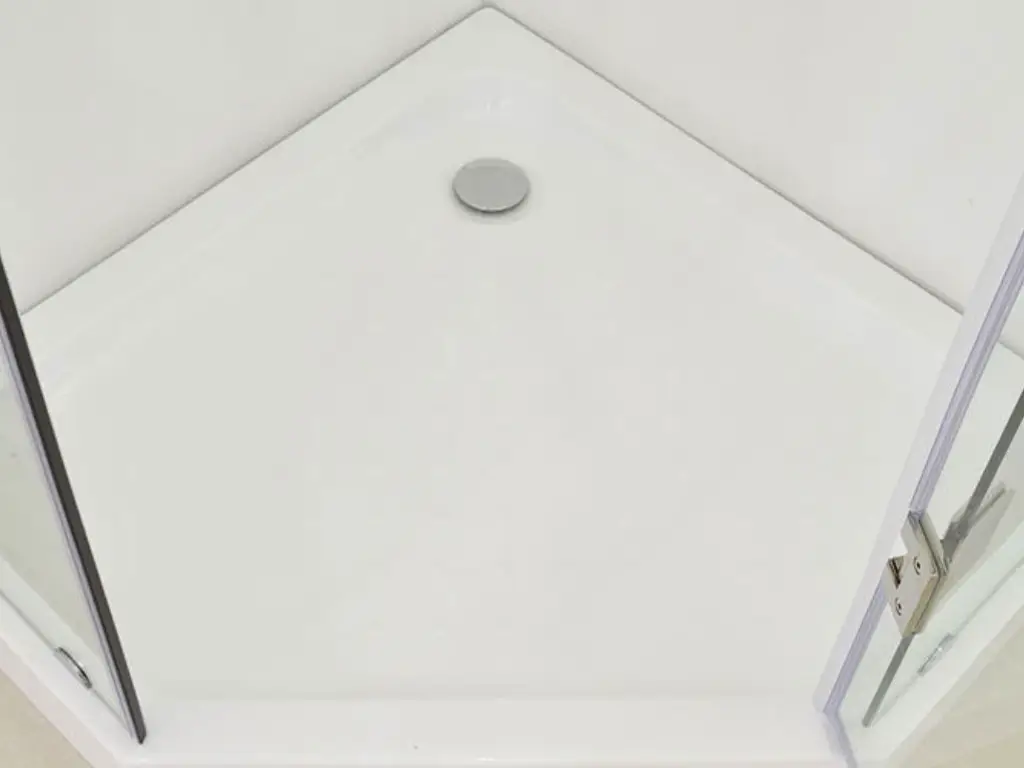
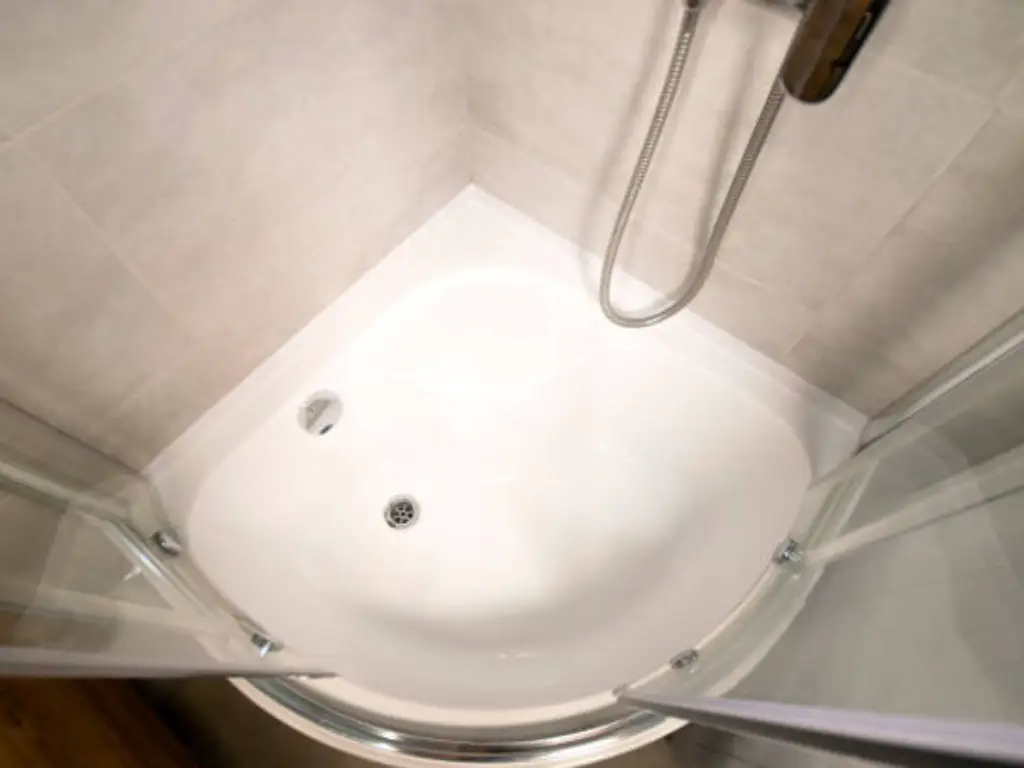
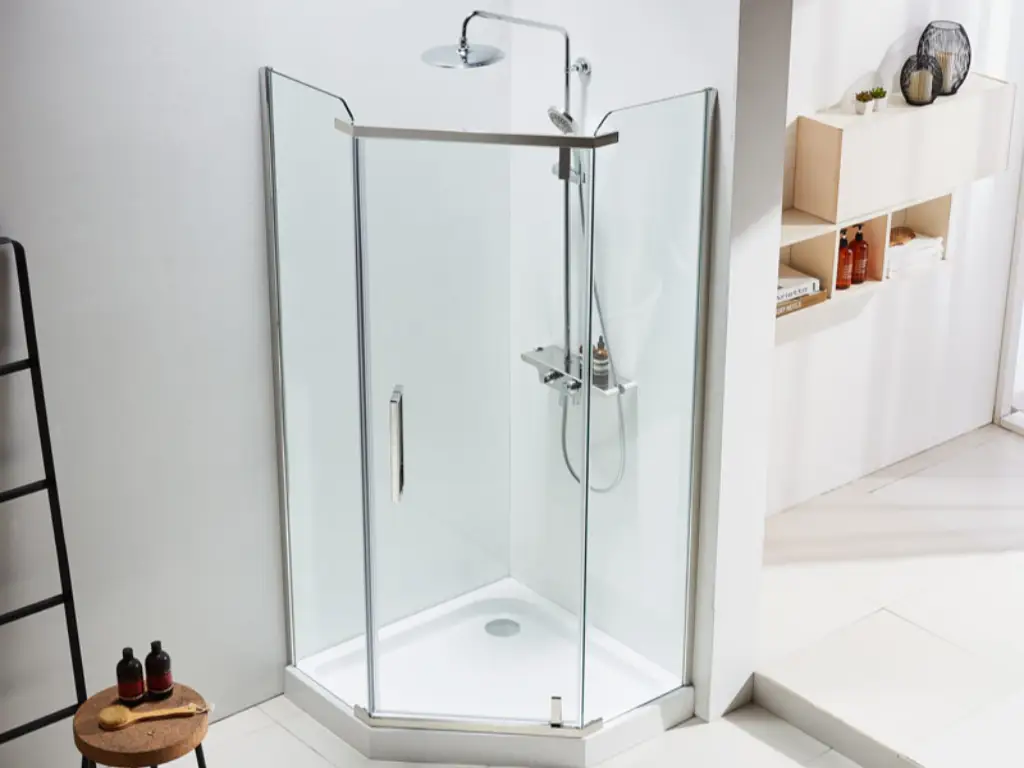
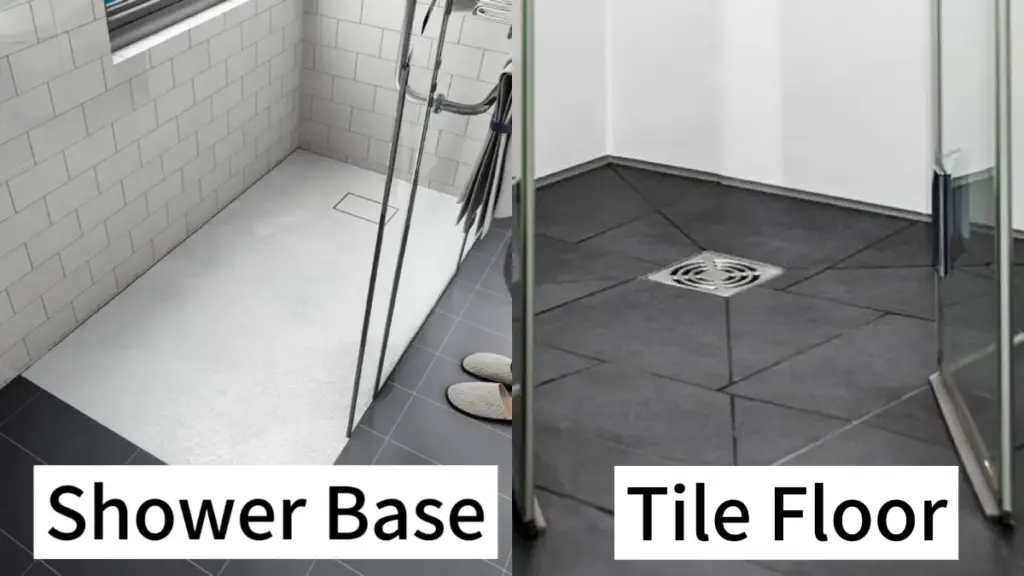
A shower base, often called a shower pan, is a single-piece floor unit. Most modern professional-grade bases are made from SMC, acrylic, or resin stone. They come with a built-in slope directed toward the drain. Think of it as a “plug-and-play” solution. We manufacture these to be incredibly dense; for instance, a high-quality resin stone base can support over 300 kg (660 lbs) without flexing. It’s a self-contained waterproof tray that sits directly on your joists or mortar bed.
What Are Tile Floors?
Tile floors are a multi-layered system. You start with a sub-floor, add a sloped mortar bed (or a foam tray), apply a waterproof membrane, and finally lay individual tiles with grout. It is a “site-built” solution. While it offers infinite beauty, you are essentially building a mini swimming pool in your bathroom. The success of a tile floor depends 100% on the skill of the person holding the trowel.
Performance Comparison
Performance isn’t just a “feeling.” It’s about reducing callbacks and ensuring the building stays dry for 20 years.
Durability: Which Option Lasts Longer?
If installed perfectly, a tile floor can last as long as the house. However, “perfect” is a high bar. Grout is the weak link. Over time, house settling causes micro-cracks in grout lines.
On the other hand, a high-end SMC shower base is nearly indestructible. It won’t crack under thermal expansion. From my experience in the factory, we test these bases for impact resistance. A heavy shampoo bottle dropped from 1.5 meters might crack a ceramic tile, but it won’t even scratch a reinforced resin base. If you want “set it and forget it” durability, the base wins.
Maintenance: Which Is Easier to Care For?
Let’s be honest: nobody likes cleaning grout. Grout is porous. It acts like a magnet for soap scum and mold. If you choose tile, you must seal that grout every 12 to 18 months.
A shower base is a non-porous surface. It’s like comparing a seamless glass tabletop to a brick sidewalk. To clean a base, you just wipe it down with a mild detergent. For high-traffic environments like hotels or rental apartments, the labor savings on cleaning alone make bases the superior choice. You save roughly 15-20 minutes of deep-scrubbing time per week per shower.
Waterproofing: Which Is More Secure?
Water is patient. It will find any hole in your defense. A tile floor has hundreds of “seams” (the grout). If the waterproof membrane underneath has a pinhole or a poorly sealed corner, you will have a leak.
A shower base is a single, solid piece. It has an integrated tiling flange—a raised edge that goes behind the wall tiles. This creates a “shingle effect” where water naturally flows down the wall and into the pan. It’s like a submarine hatch; there are no seams for the water to penetrate. In my professional opinion, a base reduces the risk of water damage by about 90% compared to a DIY tile job.
Comfort: Which Is More Comfortable to Stand On?
Tile is cold. Unless you install expensive radiant heating coils underneath, that floor will be a shock to your feet in February. It is also very hard.
Modern bases, especially those made of acrylic or stone resin, have better thermal retention. They feel “warmer” to the touch. Also, many bases feature a textured, anti-slip surface that feels safer. While tile can be slippery when wet (unless you use small 2×2 mosaics to increase grout friction), a base is engineered for grip.
Cost: Comparing Installation Expenses
Let’s talk about the budget. Many people think tile is cheaper because the materials are “just clay,” but the labor will change your mind quickly.
Installation Cost
- Shower Base: A professional can install a base in about 1 to 2 hours. You level the floor, set it in mortar, and connect the drain.
- Tile Floor: This is a 3-day process. Day 1: Mortar bed and slope. Day 2: Waterproofing and curing. Day 3: Tiling and grouting.
In terms of total “installed cost,” a shower base usually saves you $500 to $800 per bathroom in labor. If you are a developer doing 50 units, that’s $40,000 back in your pocket.
Long-Term Costs
If a tile floor leaks, you can’t just “patch” it. You often have to tear out the bottom row of wall tiles and the entire floor to fix the membrane. That is a $2,000+ headache. A shower base has almost zero maintenance costs other than the occasional bottle of cleaner. When you look at a 10-year lifecycle, the base is significantly more economical.
Design Flexibility: Customization Options
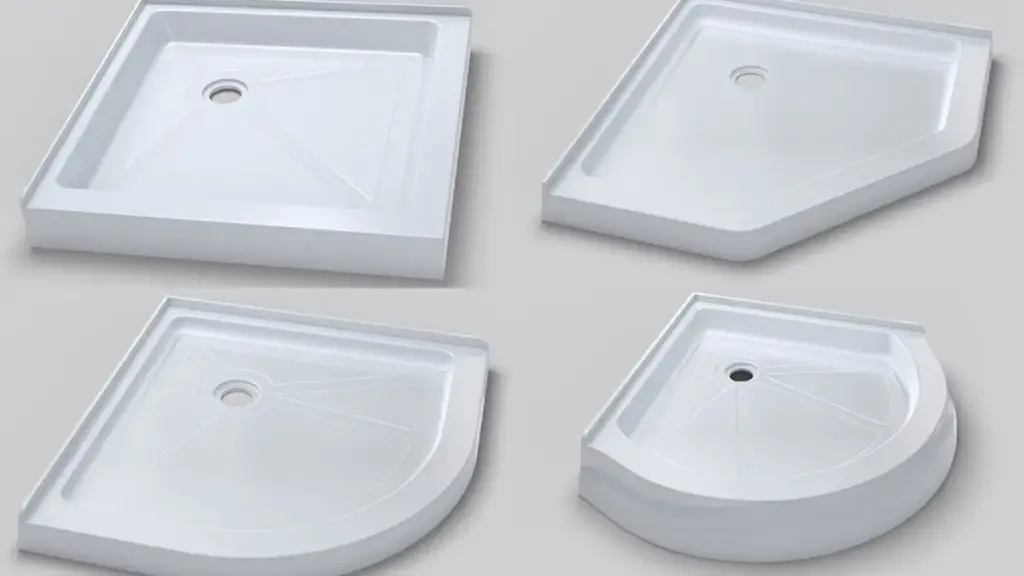
Tile floors definitely lead the way in pure artistic freedom. If you are dealing with a non-standard 47-inch by 53-inch corner, a standard off-the-shelf base simply won’t fit. Tile allows you to cut every piece to size, offering a “couture” fit with endless colors and textures.
However, the manufacturing world has caught up. We now offer custom shower trays that bridge the gap between convenience and bespoke design. You aren’t stuck with “basic white” anymore. Our custom solutions offer:
- Advanced Materials: Choose between high-impact SMC (Sheet Molding Compound) for industrial durability or high-gloss Acrylic for a premium, easy-to-clean finish.
- Tailored Shapes: We can engineer everything from space-saving round quadrants and square bases to massive rectangular walk-in trays.
- Precision Sizing: We manufacture low-profile units (only 2.5cm to 3cm high) that match your exact architectural footprint, eliminating the need for messy on-site cutting.
- Modern Aesthetics: Beyond white, you can specify matte black, slate gray, or stone textures to achieve a clean, professional look that fits modern project standards.
A Comparison of Shower Base vs Tile Floor
To help you make the most rational procurement decision, we summarized the table compares custom-engineered bases against traditional on-site tiling:
| Feature | Custom Shower Base (SMC/Resin) | Traditional Tile Floor |
| Installation Time | 1-2 Hours (Pre-sloped, ready to set) | 2-3 Days (Bedding, waterproofing, curing) |
| Waterproof Rating | 10/10 (One-piece, integrated flange) | 6/10 (Highly labor-dependent, prone to leaks) |
| Material Choice | SMC or Acrylic (High impact resistance) | Ceramics/Marble (Brittle, prone to cracking) |
| Customization | High (Custom sizes/shapes available) | Extreme (Fits any irregular angle) |
| Maintenance | Very Low (Seamless, non-porous) | High (Requires sealing and scrubbing) |
| Total Project Cost | Lower (Significant labor savings) | Higher (Expensive man-hours and sundries) |
| Lifecycle | 25+ Years (Stable physical properties) | 10-15 Years (Usually fails at the grout/seal) |
Which Option Fits Your Bathroom Style and Budget?
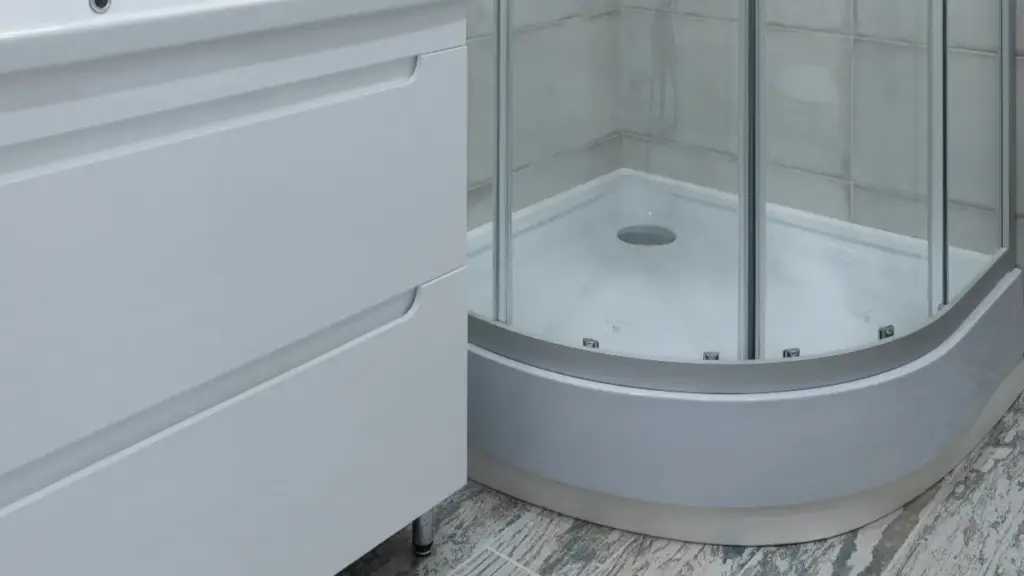
Choosing between a shower base and a tile floor isn’t just about looks; it is about matching the technical needs of your building with your long-term budget. To help you decide, let’s look at the two most critical factors: your sub-floor and your professional role.
Consider Your Sub-Floor: Joists vs. Concrete
The structural “skeleton” of your bathroom often dictates the best choice.
Wooden Joists: If you are installing on a wooden floor system, there will always be slight movement or “flex.” A shower base is superior here because it handles this movement without cracking. Rigid tile and grout, however, often develop micro-fissures in these conditions.
Concrete Slabs: On a solid concrete slab, you have a more stable foundation. This is the ideal environment for a walk-in wet room with a tiled floor, provided your slope-to-drain ratios are perfectly engineered.
Making the Strategic Choice
Your project goals should lead your final decision:
For Contractors & Developers: I almost always recommend a high-quality stone resin shower base. In the B2B world, time is money. The lightning-fast installation and the near-zero rate of warranty claims (leaks) make it the most logical business decision. It is a predictable, high-performance component that protects your margins.
For Luxury Homeowners & Boutique Designers: If the “wow factor” is your primary KPI, a tile floor offers that bespoke, high-end aesthetic. Just ensure you hire a master installer and specify high-grade epoxy grout to mitigate future maintenance headaches.
Final Thought
As a professional sanitaryware manufacturer, we see the industry moving toward minimalist, large-format bases. They offer the “clean look” of tile without the “clean-up” of grout.
To eliminate the headache of managing multiple suppliers, consider KJ Bath’s one-stop bathroom solutions. We provide a complete service system—from custom design to technical installation support—ensuring your project stays dry and durable for decades.
Ready to streamline your project? Contact our technical team today for a custom quote on your SMC or Resin Stone project.