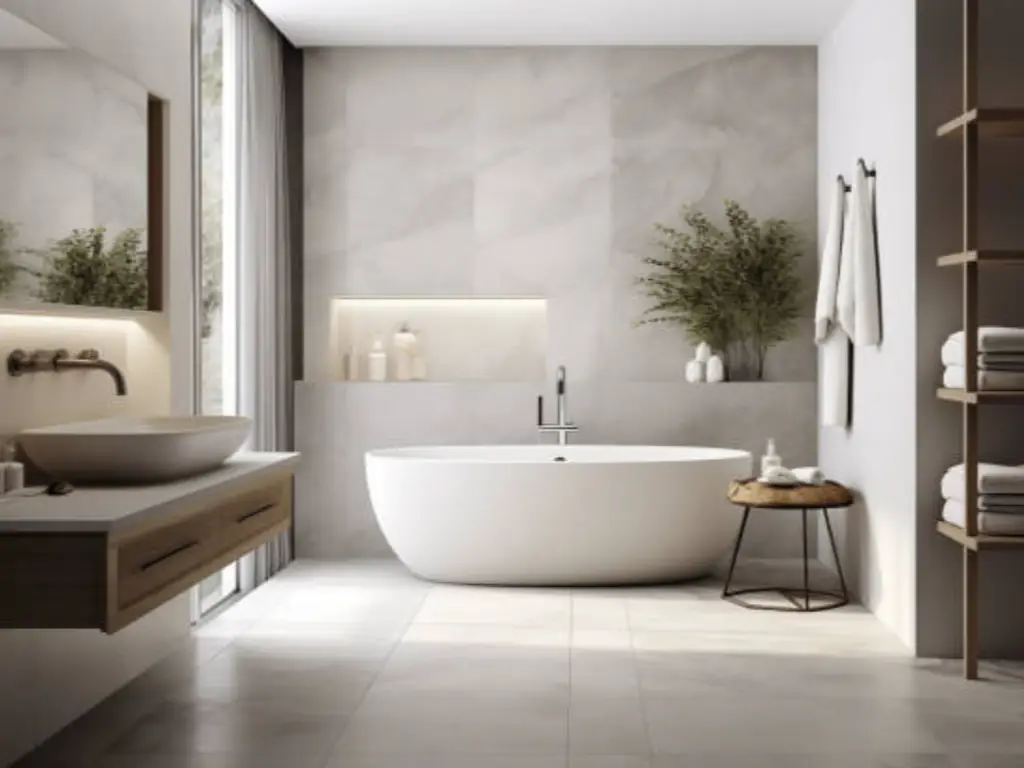

Choosing the right freestanding bathtub can make a huge difference in the overall look and feel of your bathroom. Not only does it need to fit within the physical space of your bathroom, but its size will also impact your comfort, aesthetic preferences, and the functionality of the space.
This guide will take you through everything you need to know about freestanding bathtub sizes, so you can select the perfect one for your bathroom, whether it’s small, medium, or large. Let’s dive in!
Freestanding Bathtub Sizes: Why They Matter
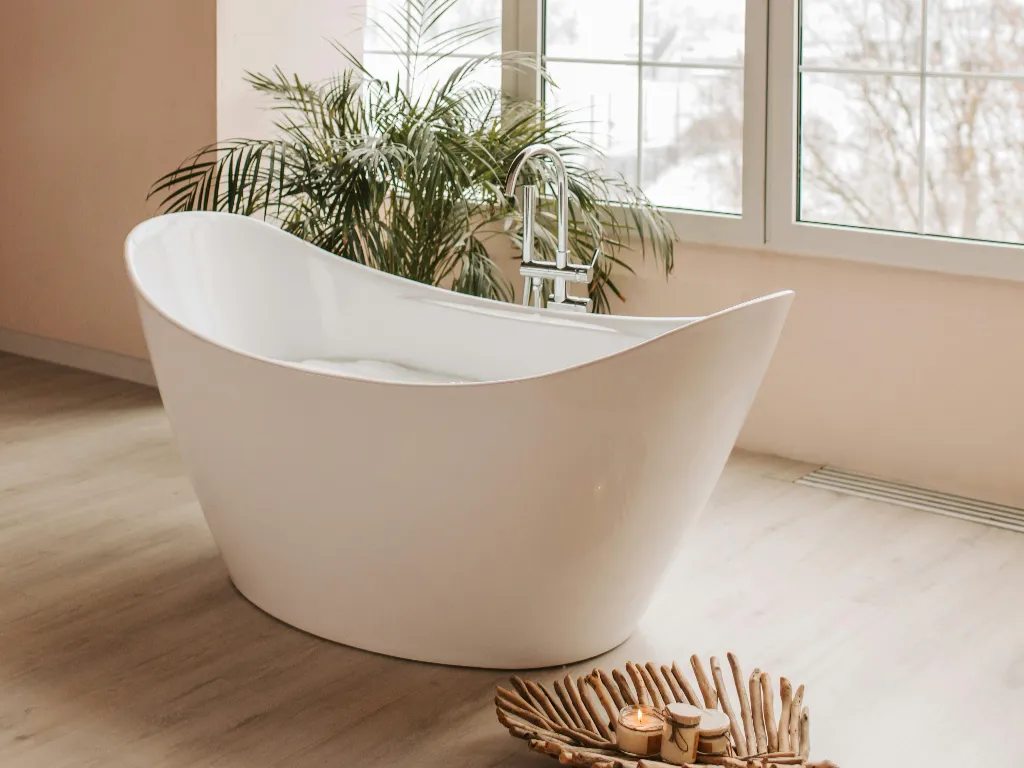
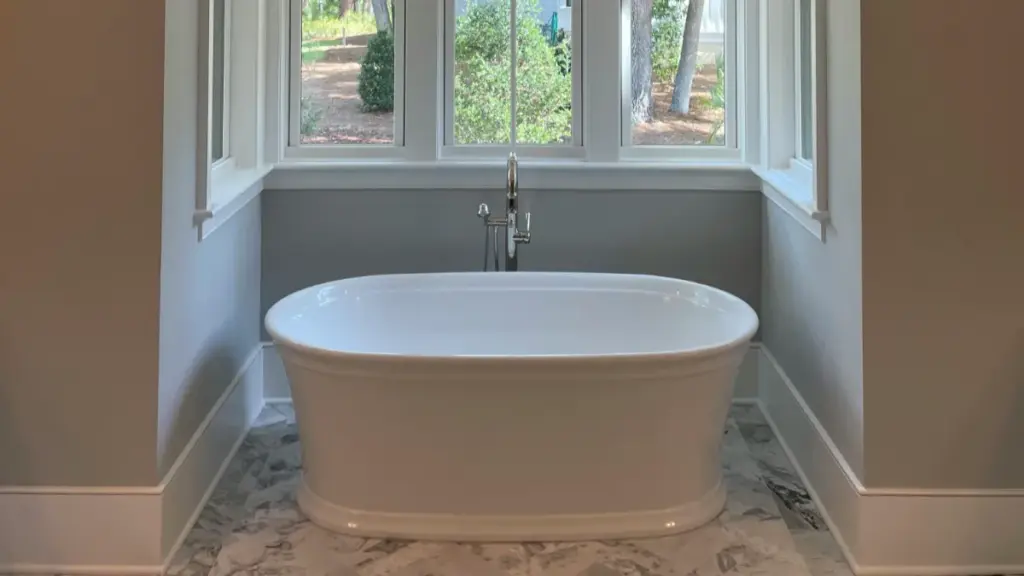
A freestanding bathtub is designed to stand independently, without being fixed to three surrounding walls like an alcove tub. Because it is fully exposed, it becomes a visual centerpiece. Its proportions are visible from every angle. That is why size is not a secondary detail. It is the first decision to make.
In practical terms, bathtub size affects three core areas: space planning, structural load, and water performance. A filled tub can weigh 800–1,200 lbs when you combine the tub, water, and bather. Most residential floors are rated around 40 lbs per square foot, so dimensions directly influence load distribution.
Water volume also matters. A 60-inch tub may hold 50 gallons, while a longer soaking model can exceed 75 gallons. That impacts hot water demand and heating time. In short, size determines comfort, engineering feasibility, and operating efficiency—not just appearance.
Standard Freestanding Bathtub Sizes
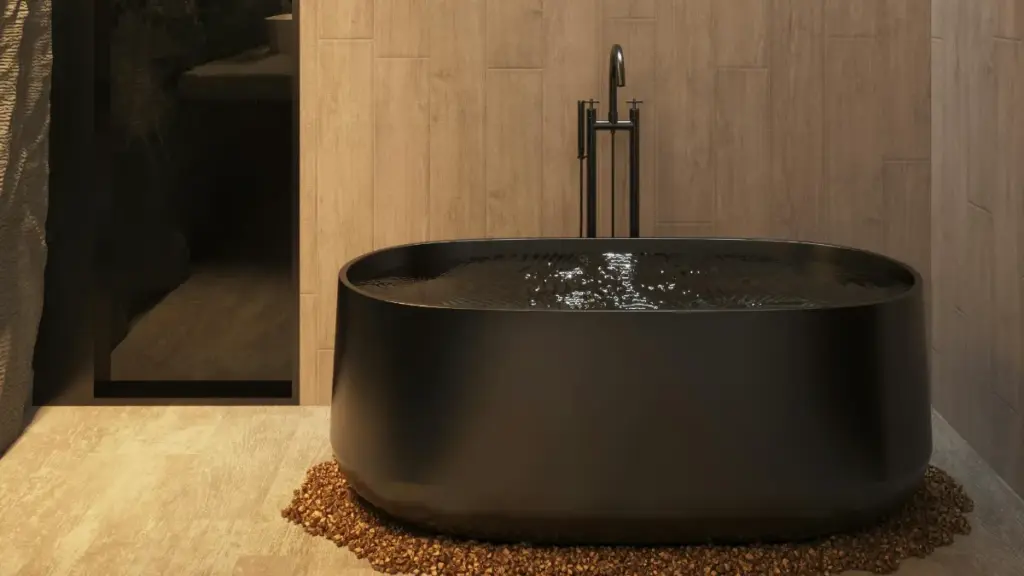
When we talk about standard freestanding bathtub sizes in the industry, we refer to dimensions that balance comfort, water efficiency, and structural limits. Most manufacturers follow a relatively narrow range:
- Length: 55–72 inches (1400–1800 mm).
The most common size is around 60 inches (5 ft). This length fits typical bathroom layouts and works well with standard plumbing rough-ins. - Width: 27–32 inches (685–815 mm).
Oval and round soaking tubs may extend to 34–36 inches to allow better shoulder room. - Height: 15–20 inches to the rim.
Total exterior height may reach 22–24 inches, especially for slipper or deep-soak designs.
Water depth (measured to the overflow drain) usually falls between 15–18 inches, with a total capacity of 40–75 gallons depending on the internal contour. A well-designed 60-inch tub can still hold enough water for two bathers because of optimized lumbar slope and sidewall geometry.
Measuring Your Bathroom for a Freestanding Bathtub
Even if you love a certain tub, it may not fit well if you haven’t measured properly. Here are a few tips on how to measure your space:
1. Measure Length and Width
First, measure the area where you plan to install the bathtub. Ensure there is ample space around the tub for ease of movement and clearance from other bathroom features like the toilet or sink. Ideally, leave a gap of at least 2 feet on all sides of the tub for both comfort and installation purposes.
2. Check Door and Entry Size
Ensure that the tub can fit through the bathroom door. If you’re planning on installing a larger tub, it may be necessary to check the measurements of the doorway and the path to the bathroom.
3. Consider Ceiling Height
Some larger bathtubs, especially deep-soak models, can reach high enough to impact headspace. Make sure your ceiling height accommodates the tub’s size, especially if you’re considering a taller model.
Choosing the Right Freestanding Bathtub Size
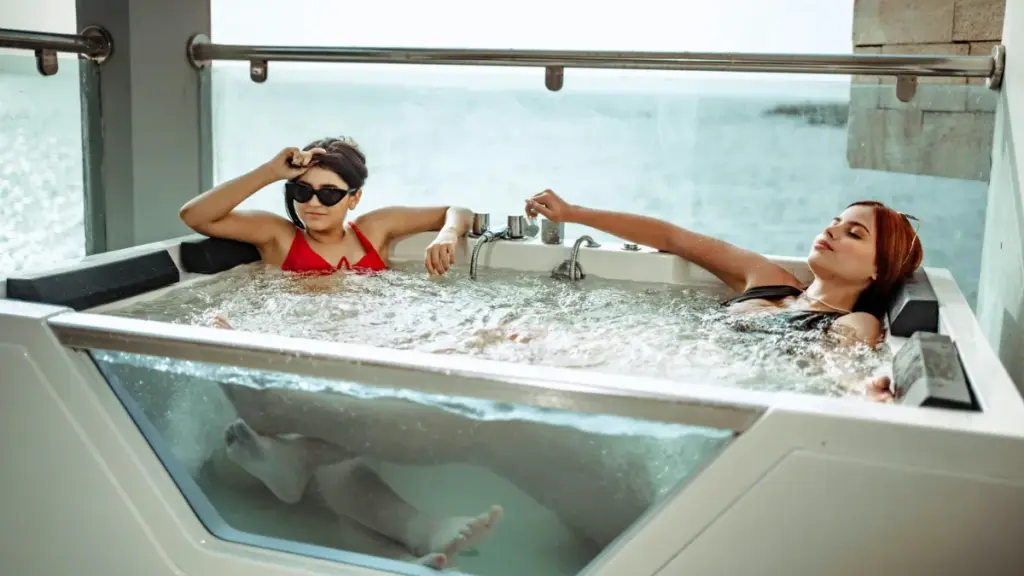
Selecting the right size of freestanding bathtub starts with understanding your bathroom area, not just visual preference. Below is a practical breakdown based on square meter ranges and real dimensions.
Small Freestanding Bathtub Dimensions
Typical bathroom size: under 5–6 m² (54–65 sq ft)
Dimensions:
- Length: 45–54 inches
- Width: 25–30 inches
- Height: 15–23 inches
- Water capacity: 30–50 gallons in a bathtub
For compact layouts, the freestanding bathtub size must control footprint without sacrificing soak depth. Many small tubs increase vertical depth (14–17 inches soaking depth) to compensate for shorter length.
Extra-small models (32–44 inches long) are designed for micro-apartments or tiny homes. Despite their reduced length, interior contouring keeps them functional for upright soaking.
Common Freestanding Bathtub Dimensions
Typical bathroom size: 6–10 m² (65–108 sq ft)
Dimensions:
- Length: 55–72 inches
- Width: 27–32 inches
- Height: 15–20 inches
- Water capacity: 40–75 gallons in a bathtub
These reflect standard bathtub dimensions used in most residential projects. If clients ask, how wide is a bathtub? — the most common answer is around 30–32 inches.
This range aligns with bathtub standard measurements, balancing floor load, water usage, and ergonomic comfort. Most models in this range are designed for single-person use, though 70–72 inch versions can accommodate two bathers in certain layouts.
Large Freestanding Bathtub Dimensions
Typical bathroom size: over 10 m² (108+ sq ft)
Dimensions:
- Length: 73–79 inches
- Width: 30–42 inches
- Height: 20–32 inches
- Water capacity: 75–110 gallons in a bathtub
Extra-large freestanding tubs provide greater shoulder width and deeper immersion. Two-person bathtub configurations often exceed 36 inches in width.
Japanese-style ofuro soaking tubs represent another category. These prioritize depth over length, with 24–30+ inches soaking depth for upright immersion.
In larger bathrooms, the freestanding bathtub size becomes a design statement — but it must still align with structural load capacity and hot water supply planning.
Freestanding Bathtub Sizes by Style
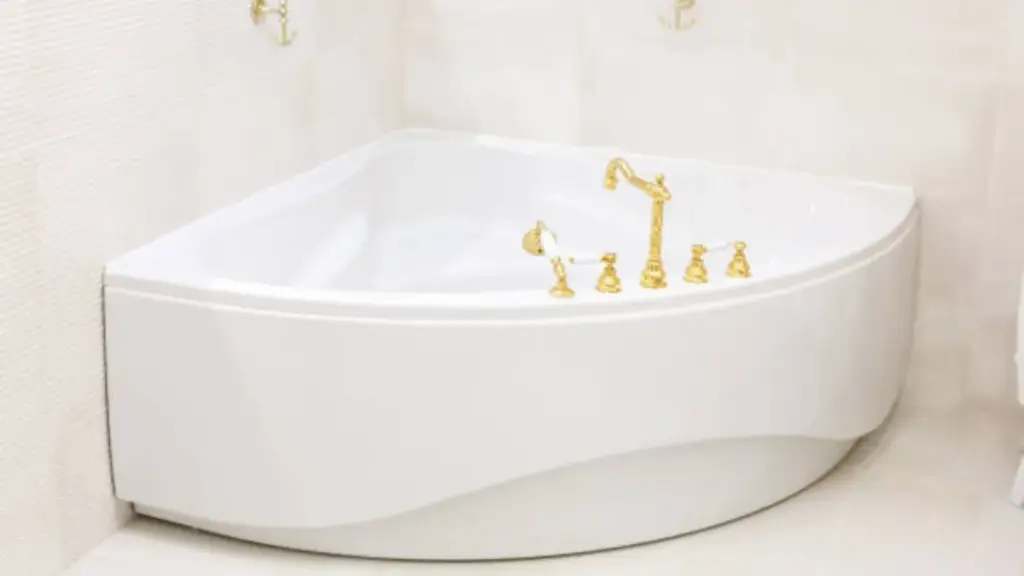
Different shapes change not only the look of a bathroom, but also the usable interior space. Even when the freestanding bathtub size appears similar on paper, the bathing experience can feel very different due to wall angle, rim thickness, and internal slope.
Oval Freestanding Bathtubs
Oval tubs feature smooth curves and symmetrical lines. They distribute water evenly and often feel softer visually.
Typical dimensions:
- Length: 60–72 inches
- Width: 30–36 inches
- Height: 20–24 inches
- Water capacity: 45–80 gallons
Because of their curved sidewalls, oval tubs often provide better shoulder room than rectangular models of the same length. They are ideal for transitional and modern bathrooms where flow and balance matter. Many designers choose this style when they want a centerpiece without sharp visual edges.
Rectangular Freestanding Bathtubs
Rectangular tubs emphasize clean geometry and efficient space use. Interior angles are more defined, which can slightly reduce shoulder clearance compared to oval designs.
Typical dimensions:
- Length: 55–75 inches
- Width: 27–32 inches
- Height: 15–22 inches
- Water capacity: 40–75 gallons
This style works well in minimalist, contemporary, or industrial interiors where straight lines dominate.
Slipper Tubs
Slipper tubs are recognized by one or two raised ends that support the back. The elevated rim increases visual height and ergonomic comfort.
Typical dimensions:
- Length: 60–70 inches
- Width: 28–34 inches
- Height: 22–30 inches (higher backrest area)
- Water capacity: 50–85 gallons
The higher back requires slightly more water, but it creates a reclined soaking position. These tubs suit classic, vintage, or luxury-focused spaces.
Corner & Unique Shape Bathtubs
For a truly unique bathroom look, consider a corner freestanding bathtub or a tub with an unconventional shape. These tubs are designed to fit into corners or tight spaces and often feature rounded, triangular, or asymmetrical designs. Because footprint geometry differs, sizes can vary widely. These styles are best for homeowners seeking layout flexibility or a strong visual statement.
Freestanding Bathtub Size Comparison Chart
To make planning easier, below is a consolidated overview of common freestanding bathtub informations:
| Category / Type | Common Length (inches) | Width (inches) | Soaking Depth (inches) | Water Capacity (gallons) | Approx. Filled Weight* | Typical Application |
|---|---|---|---|---|---|---|
| Extra-Small Freestanding | 32–44 | 25–28 | 14–17 | 25–40 | 500–700 lbs | Tiny homes, micro-apartments, secondary baths |
| Small Freestanding | 45–54 | 25–30 | 14–18 | 30–50 | 600–850 lbs | Bathrooms under 6 m² (65 sq ft) |
| Standard Freestanding | 55–72 | 27–32 | 15–18 | 40–75 | 800–1,100 lbs | Most residential projects (6–10 m²) |
| Large Freestanding | 73–79 | 30–42 | 18–22 | 75–110 | 1,100–1,500 lbs | Master bathrooms over 10 m² |
| Extra-Large / 2-Person | 75–80+ | 36–42+ | 18–24 | 90–120 | 1,300–1,800 lbs | Luxury suites, spa-style layouts |
| Oval Shape | 60–72 | 30–36 | 15–20 | 45–80 | 800–1,200 lbs | Balanced aesthetics, ergonomic soaking |
| Rectangular Shape | 55–75 | 27–32 | 15–18 | 40–75 | 800–1,100 lbs | Modern, minimalist interiors |
| Slipper Tub | 60–70 | 28–34 | 18–22 | 50–85 | 900–1,300 lbs | Classic, luxury-focused spaces |
| Corner Tub | 48–70 | 32–42 | 16–20 | 50–90 | 900–1,400 lbs | Space optimization or statement design |
Note: Filled weight includes tub, water, and one average bather (~160–180 lbs).
How Freestanding Bathtub Sizes Affect Comfort
After reviewing standard bathtub dimensions and layout planning, the next question is simple: how does the freestanding bathtub size actually feel in daily use? Comfort depends less on total length and more on three measurable factors:
- Soaking Depth: Ideal soaking depth ranges from 15–18 inches, allowing most bathers to submerge comfortably. Tubs deeper than 24 inches, like Japanese soaking tubs, provide full immersion but require more water.
- Interior Slope: The backrest angle, usually between 110–120 degrees, significantly affects lumbar support and relaxation. A well-contoured tub ensures better comfort, even in smaller sizes.
- Shoulder & Hip Clearance: A width of 32–36 inches is optimal for shoulder and hip space, ensuring comfortable soaking without feeling cramped.
Custom vs. Standard Freestanding Bathtub Sizes
While most people opt for standard-sized bathtubs, there are benefits to going custom. Below is a direct comparison of the factors buyers care about most:
| Factor | Standard Freestanding | Custom Freestanding |
|---|---|---|
| Price | Lower cost, mass production pricing | 20–50% higher due to tooling & fabrication |
| Lead Time | 2–6 weeks typical | 6–12+ weeks depending on complexity |
| Size Flexibility | Fixed standard bathtub dimensions | Fully adjustable length, width, depth |
| Bathroom Fit | Best for conventional layouts | Ideal for irregular or luxury layouts |
| Water Capacity Control | Limited to preset volume | Can optimize gallons in a bathtub |
| Installation Risk | Lower, predictable | Requires precise site coordination |
For projects requiring non-standard dimensions or deeper immersion profiles, see our detailed guide on Custom Bathtub Sizes.
Planning Your Freestanding Bathtub Layout
Once you’ve decided on the size and style of your freestanding bathtub, the next step is planning the layout. You should focus on function and circulation:
- Clearance: Keep at least 600 mm (24 inches) around the tub for access and cleaning.
- Placement: Center layout suits bathrooms above 10 m²; wall or corner placement works better in compact spaces.
- Technical Alignment: Confirm drain position, floor load capacity, and water supply before installation.
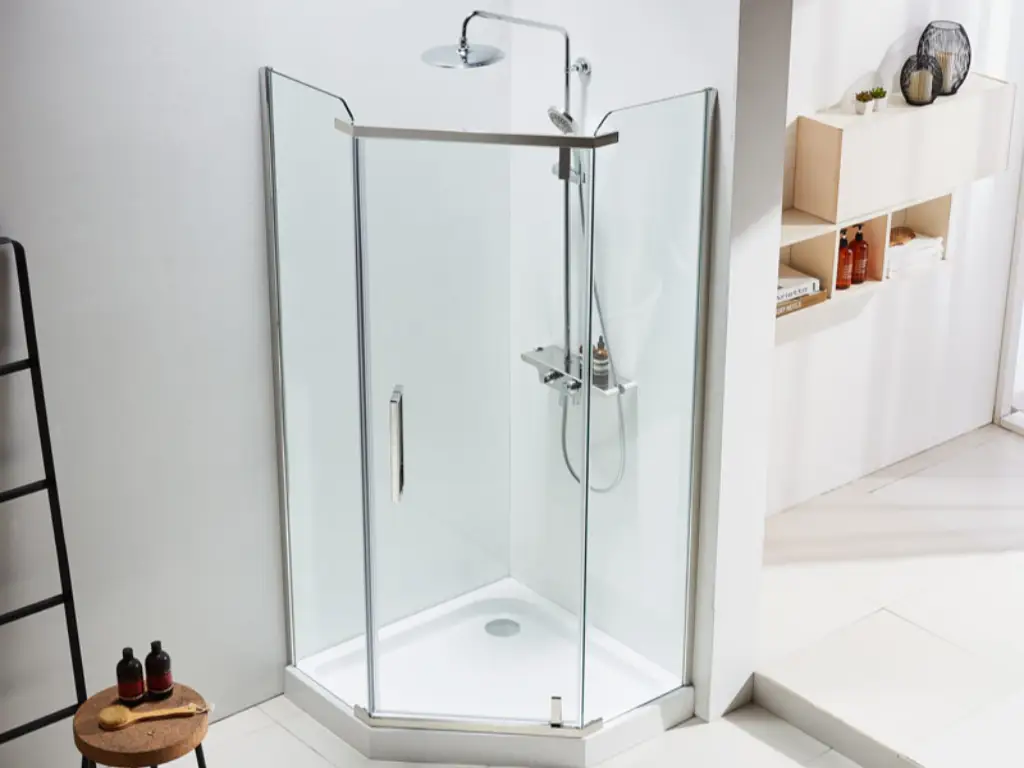
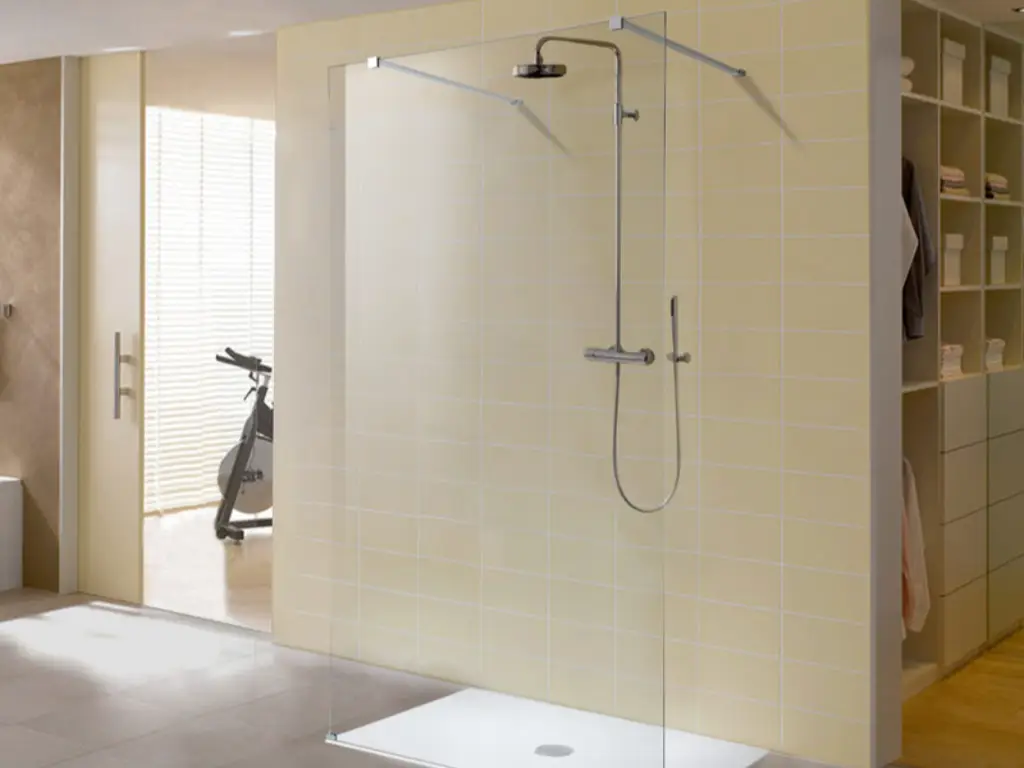
For developers and contractors, layout decisions rarely involve the tub alone. That is why Kangjian provides a one-stop bathroom solution, including shower enclosures, shower trays, wall panels, bathtubs, and smart toilets. Standardized dimensions, pre-drilled structures, certified quality (SGCC, CE, CUPC), and stable lead times reduce coordination risk and long-term maintenance cost.
If you are planning a new project, choosing the right freestanding bathtub size is only step one—integrated supply makes the entire bathroom work better.