Probabilmente non starai mai sul pavimento che produce le tue cabine doccia. Questa distanza è il motivo per cui esiste il rapporto di audit della fabbrica di cabine doccia, ed è anche il motivo per cui così tanti acquirenti lo hanno interpretato male. Sfiorano le pagine dei certificati, approvare il fornitore, e trovare le lacune solo dopo una spedizione in ritardo o un sopralluogo fallito.
Questa guida ti mostra come leggere il rapporto come farebbe un revisore dei conti. Suddivide il documento in sei sezioni, elenca i numeri da richiedere in ciascuno di essi, e nomina le bandiere rosse che prevedono un cattivo ordine. Gli esempi provengono dal lato fabbrica del tavolo Bagno di KJ, un produttore di cabine doccia che ha superato questo esame accurato per gli acquirenti di tutto il Nord America, Europa, e Australia.
Punti chiave
- Leggi il rapporto in sei sezioni: azienda e capacità, attrezzature e officine, controllo di qualità, certificazioni, R&D, e track record.
- La lavorazione interna del vetro è il segnale più forte. Una fabbrica che tempera i propri pannelli garantisce una tracciabilità che un rivenditore non può eguagliare.
- I numeri della domanda, non aggettivi. Una sezione QC senza dati di test è una sezione QC che nasconde qualcosa.
- Verificare i certificati tramite l'organismo emittente, e richiedere copie spedite con la merce.
- Effettuare un controllo incrociato della capacità rispetto al personale e alle dimensioni della fabbrica. I numeri dovrebbero riconciliarsi.
- Conferma la segnalazione da remoto con un video tour in diretta, un sopralluogo da parte di terzi, e un ordine del campione.

Profilo aziendale e numeri di capacità
La prima sezione ti dice con chi hai a che fare e quanto possono effettivamente produrre. Leggilo per quattro fatti che dovrebbero riconciliarsi tra loro: tipo di attività, storia, ripartizione del personale, e uscita.
Stato del produttore o della società commerciale
Verificare se il fornitore controlla la propria produzione. Un'azienda integrata di produzione e commercio gestisce i propri laboratori; un commerciante puro acquista da uno e rivende. Quindi leggi la cronologia per le pietre miliari nominate. KJ Bath è stata fondata nel 1999, ha registrato il marchio Kangjian Sanitaryware nel 2005, ed entrò nel Nord America, Europa, Australia, e il sud-est asiatico tra 2006 E 2010. Una storia documentata come quella comporta un profilo di rischio diverso rispetto a una società costituita l’anno scorso.
Dimensioni dello stabilimento e ripartizione del personale
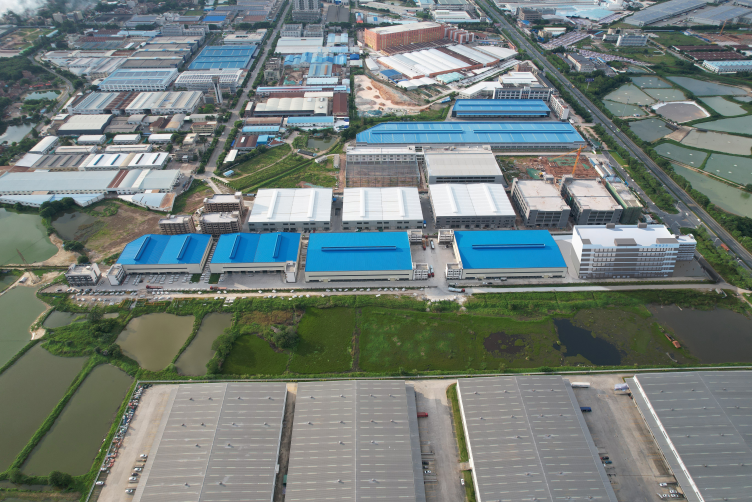
Il rapporto dovrebbe indicare l'area della fabbrica e il numero dei dipendenti, suddivisi per funzione. KJ Bath gestisce a 15,000 fabbricato di mq con 151 personale: 120 nella produzione, 20 nelle vendite, E 12 nella R&D. Questa divisione è importante. Una fabbrica che rivendica una forte personalizzazione senza riportare alcuna R&L'organico di D ti dice che copia i disegni anziché ingegnerizzarli.
Output mensile che riconcilia
La capacità dovrebbe apparire come un numero, non una promessa. KJ Bath cita una produzione mensile di 1,000 imposta, con pianificazione flessibile per adattarsi al flusso degli ordini reali. Testare ogni affermazione di capacità allo stesso modo: 1,000 fissa un mese da 120 addetti alla produzione in a 15,000 la pianta di mq è coerente. Un’affermazione molto più ampia da parte di un piccolo team non lo è, e quella mancata corrispondenza è la tua prima bandiera rossa.
Attrezzature di produzione e controllo dell'officina
La sezione dedicata alle apparecchiature è il luogo in cui viene visualizzato il controllo completo della catena di fornitura, ed è il segnale più forte dell’intero rapporto. KJ Bath gestisce quattro workshop principali: lavorazione dell'alluminio, lavorazione del vetro, assemblaggio, e una linea di confezionamento automatizzata. Il laboratorio del vetro è l'elemento di differenziazione. Molti concorrenti e la maggior parte dei commercianti acquistano pannelli pretagliati da una fonte non verificata. Una fabbrica che tempera i propri pannelli partendo da lastre originali Xinyi, negli spessori da 6 mm a 12 mm, controlla la componente più importante in termini di costi e sicurezza box doccia e porte e può far risalire qualsiasi risultato di rinvenimento a un lotto.
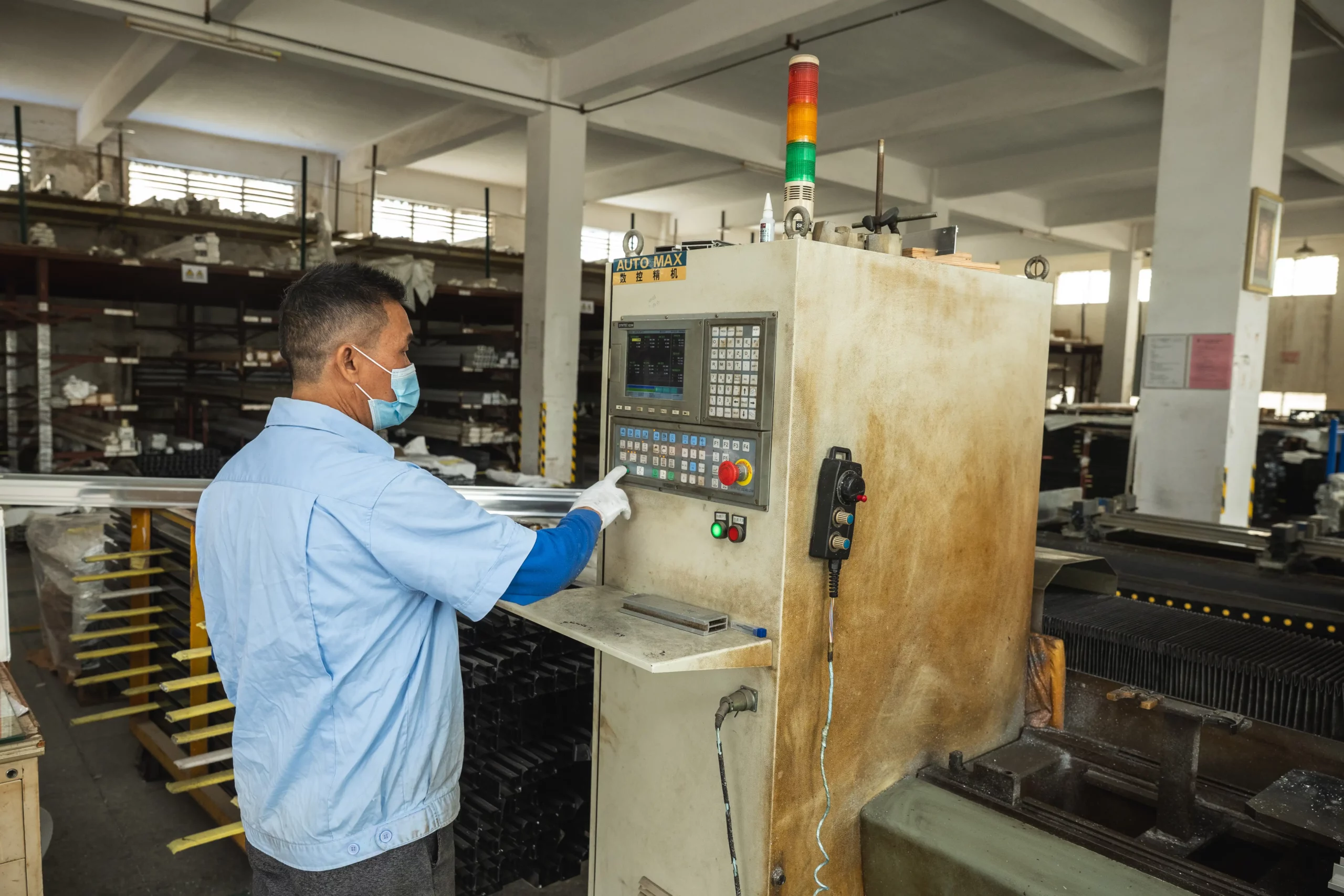
L'attrezzatura con nome separa un pavimento reale da una foto d'archivio. KJ Bath ha documentato un aumento di capacità nel 2011 che ha aggiunto seghe da taglio a doppia testa a controllo numerico, una macchina di precisione CNC TUTO MAX, e perforazione pneumatica multitesta, accanto ad una linea di confezionamento automatizzata. Un fornitore che nomina le sue macchine e l'anno in cui le ha acquistate descrive una vera e propria officina. Uno che offre una foto sfocata e le parole “attrezzature avanzate” sta descrivendo una brochure.

La prova del sistema di controllo qualità che conta
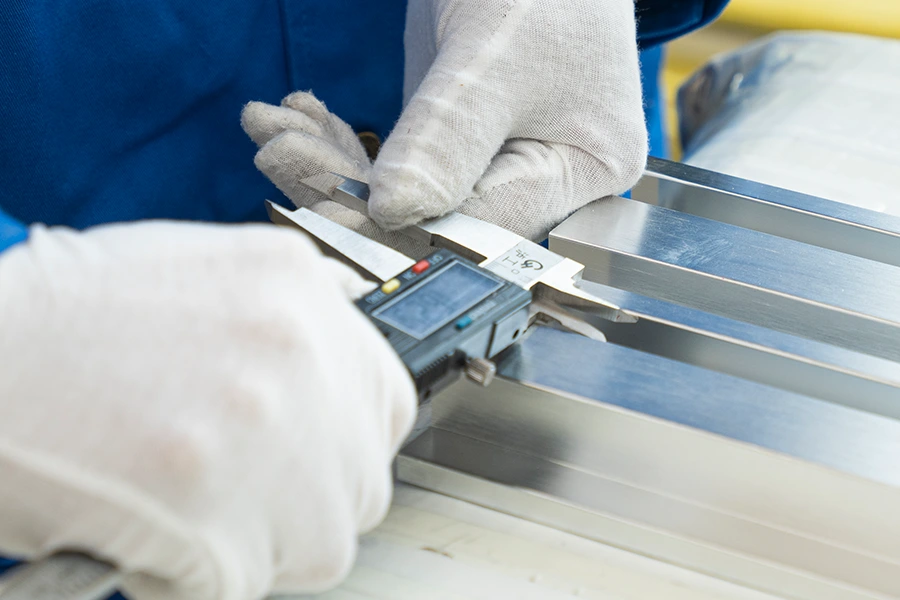
Una vera sezione di controllo qualità è quella in cui viene deciso l'audit di una fabbrica di cabine doccia. Dovrebbe nominare i test, l'attrezzatura, e cosa verifica ogni test. KJ Bath esegue cinque test fondamentali: verifica della tempra su vetro, una prova di impatto sulla porta finita, un test di caduta dell'imballaggio per la spedizione, un test in nebbia salina di 72 ore sull'hardware, e un test del ciclo push-pull su rulli classificati a 100,000 cicli. Le finiture hardware aggiungono uno strato di rivestimento PVD per la resistenza alla corrosione. Ogni test viene eseguito su apparecchiature dedicate, da un impianto di impatto a una camera di nebbia salina.
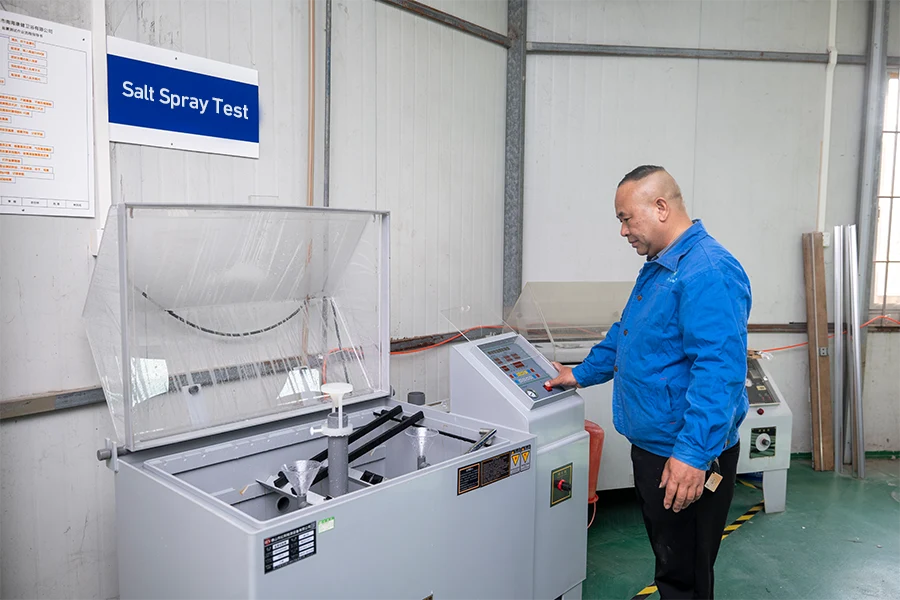
Il risultato di questo sistema è un rapporto di ispezione della qualità che viaggia con ogni ordine, portando il tasso di rinvenimento, impatto, e dati sulla nebbia salina. Quando leggi questa sezione, chiedere di vedere un rapporto di esempio. Un fornitore che può descrivere i test solo con aggettivi, e non può mostrare un documento con numeri, non ha dimostrato nulla. La nostra guida a garantire la qualità nelle porte doccia personalizzate spiega cosa dovrebbe produrre ciascun test.
Certificazioni che superano dogane e ispezioni
Le certificazioni dimostrano due cose diverse: la fabbrica utilizza un sistema di gestione documentato, e il prodotto soddisfa le norme di sicurezza del tuo mercato. Leggi questa sezione per i voti posseduti, l'ente emittente dietro ciascuno di essi, e se le copie viaggiano con la merce.
- ISO 9001, ISO 14001, ISO 45001 — qualità, ambientale, e sistemi di gestione della salute e sicurezza sul lavoro. Questi mostrano processi documentati piuttosto che una produzione ad hoc.
- SGCC — la quotazione per il mercato nordamericano, rilasciato dal Consiglio per la certificazione dei vetri di sicurezza e costruito sullo standard di impatto ANSI Z97.1.
- CE — il marchio di sicurezza richiesto per il mercato europeo.
Verifica ogni certificato in modo indipendente. Un vero fornitore si aspetta che tu controlli il numero con l'organismo emittente. Quindi fai un ulteriore passo avanti e richiedi che le copie SGCC e CE vengano spedite insieme alla merce, come KJ Bath include nella sua confezione di consegna standard. Un certificato che vive come una foto sul telefono di un venditore non fa nulla per te alla dogana o durante un sopralluogo. La nostra ripartizione di SGCC rispetto a CE rispetto a ANSI Z97.1 coperture che segnano il tuo mercato richiede.
R&Forza D e risultati reali
Se hai bisogno di un OEM (Produttore di design originale) o partner ODM, questa sezione decide se la fabbrica può costruire secondo il tuo progetto o solo copiare un modello esistente. Mostra anche se altri acquirenti esigenti hanno già controllato il fornitore.
R&D Team e portafoglio brevetti
Cerca l'organico, brevetti, e aggiornare la cadenza. KJ Bath mantiene un R&D e ha vinto numerosi brevetti per modelli di utilità da quando ha ampliato R&D investimento in 2013. L'azienda supporta aggiornamenti trimestrali del prodotto, il che è importante per un importatore che ha bisogno di nuovi modelli per mantenere il traffico. Una fabbrica con brevetti e un team di ingegneri nominato può gestire la progettazione per la produzione e l'ingegneria del valore del tuo progetto. Uno senza di loro può solo costruire il disegno che gli consegni.

Progetti di ospitalità e presenza nel settore
Gli account nominativi sono più difficili da falsificare rispetto a un modello di certificato. KJ Bath ha fornito progetti per Hilton, Marriott, Hyatt, Doppioalbero, Hilton Garden Inn, Suite dell'Ambasciata, Elemento, e Hotel Casinò Firekeepers, ed espone regolarmente alla Fiera di Canton, la fiera MCE di Milano, la mostra KBB nel Regno Unito, e la fiera di Mumbai in India. Un fornitore che già serve marchi di ospitalità a cinque stelle ha superato tali marchi’ propri audit. Questa è una scorciatoia che puoi usare. Chiedi una referenza che puoi chiamare, e fai la domanda che conta: l'ordine di ripetizione corrispondeva al campione?
Bandiere rosse che predicono un cattivo ordine
Sapere come si presenta un audit completo di fabbrica di cabine doccia ti consente di individuare cosa manca. La tabella seguente elenca i sei gap che prevedono in modo più affidabile un cattivo ordine, cosa significa ciascuno di solito, e cosa chiedere prima di procedere.
| Bandiera Rossa | Cosa significa di solito | Cosa richiedere |
|---|---|---|
| Nessun laboratorio di lavorazione del vetro | Pannelli pretagliati, nessuna tracciabilità | Prova della tempera interna o di una fonte di vetro denominata |
| QC scritto solo in aggettivi | I test potrebbero non essere eseguiti affatto | Un rapporto di ispezione campione con numeri reali |
| Nessuna ora di nebbia salina o conteggio dei cicli | Le affermazioni rimangono non verificabili | Durata del test e criteri di superamento per iscritto |
| Certificati mostrati come foto | Rischio doganale e di ispezione | Copie spedite con la merce |
| La capacità supera le dimensioni del personale e della sala | I numeri non concordano | Una ripartizione del personale e della produzione che si somma |
| Nessuna politica campione | Niente di verificato prima della produzione di massa | Un campione pagato con un tempo di consegna indicato |
Nessuna singola sezione dimostra un fornitore. Ciò che lo dimostra è la coerenza tra tutti e sei: una storia coerente, numero di dipendenti e di produzione che corrispondono alle dimensioni della fabbrica, attrezzatura denominata, Dati QC con numeri reali, certificati verificabili, e R&Forza D che corrisponde alla promessa di personalizzazione. Dove una sezione si assottiglia, è lì che risiede il rischio del tuo ordine. La nostra lista di controllo su cosa cercare in un produttore di cabine doccia trasforma questi segnali in una routine di qualificazione completa.
Verifica il report senza visitare
Non è necessario volare a Foshan per verificare un audit di fabbrica di cabine doccia. Quattro controlli colmano gran parte del divario tra documento cartaceo e fatto accertato.
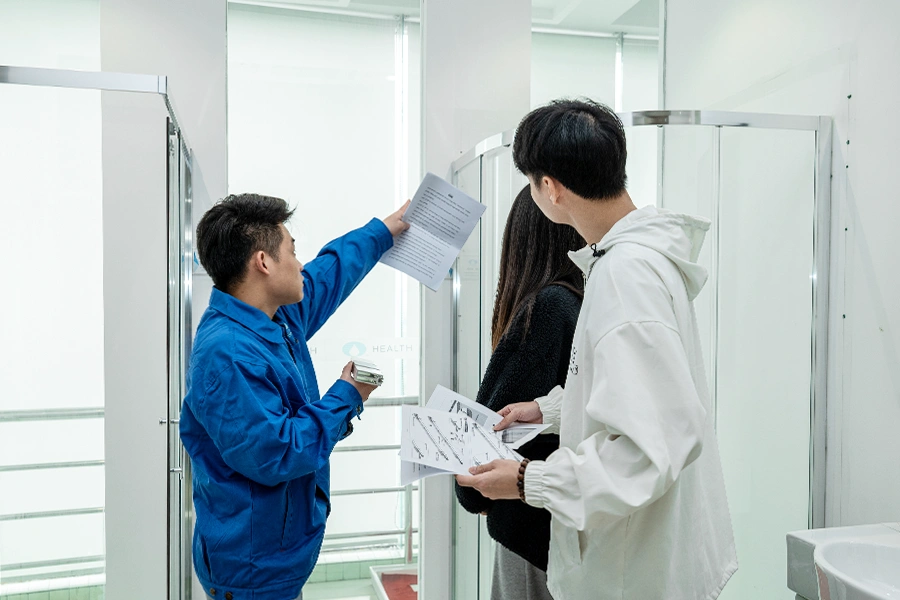
- Video tour dal vivo. Richiedi una passeggiata in tempo reale attraverso tutti e quattro i workshop, non una clip registrata, e richiedere il funzionamento di una macchina specifica.
- Ispezione pre-imbarco di terze parti. Prenota un'ispezione indipendente sul tuo primo ordine e allaccia il 70% pagamento del saldo al suo passaggio.
- Ordine del campione. Un campione nei tempi di consegna indicati di 15 giorni verifica la purezza del vetro, finitura dell'hardware, qualità della tenuta, e precisione dimensionale prima di impegnarti, e KJ Bath sostiene la produzione con una garanzia di 5 anni.
- Controllo incrociato dei documenti. Confermare i numeri del certificato con l'organismo emittente e riconciliare il personale, dimensione di fabbrica, e le cifre di output l'una contro l'altra.
Insieme, questi passaggi trasformano un documento di vendita in una prova. Per vedere di persona il sistema sottostante, rivedi il nostro controllo di qualità pagina del processo, dove ogni test e i suoi criteri di accettazione sono documentati.
Qualificare un fornitore di cabine doccia?
KJ Bath è una fabbrica integrata di produzione e commercio che opera da allora 1999, con a 15,000 pianta mq, quattro laboratori, inclusa la lavorazione interna del vetro, cinque test fondamentali di controllo qualità, ISO 9001/14001/45001 certificazione, Elenchi SGCC e CE, e referenze nel settore dell'ospitalità, tra cui Hilton e Marriott. Richiedi la nostra documentazione di audit, prenota un video tour dal vivo, o iniziare con un ordine campione.
Domande frequenti
Cosa dovrebbe includere un rapporto di audit della fabbrica della cabina doccia?
Sei sezioni: profilo aziendale e capacità, attrezzature di produzione e officine, il sistema di controllo della qualità, certificazioni, R&Capacità D, e track record. Ogni sezione dovrebbe riportare numeri specifici e elementi denominati, dalla produzione mensile alle apparecchiature di prova, piuttosto che affermazioni generali sull’esperienza.
Come faccio a distinguere un vero produttore da una società commerciale?
Cerca soprattutto la lavorazione del vetro interna. Una fabbrica che tempera i propri pannelli partendo da fogli originali può tracciare un lotto e mantenerne la consistenza. Un commerciante acquista vetro pretagliato, di solito non può nominare la sua attrezzatura, e raramente mostra un rapporto di ispezione con dati di test reali.
Posso verificare un audit di fabbrica senza visitare di persona?
SÌ. Richiedi un video tour in diretta dei laboratori, prenotare un'ispezione pre-imbarco da parte di terzi legata al pagamento del saldo, ordinare un campione nei tempi indicati, e verificare i numeri del certificato con l'organismo emittente. Insieme, questi confermano la maggior parte di ciò che significherebbe una visita al sito.
Quali certificazioni contano per l'importazione di cabine doccia?
Per il sistema di fabbrica, cerca l'ISO 9001, ISO 14001, e ISO 45001. Per il vetro nordamericano, richiedono un elenco SGCC basato su ANSI Z97.1, e per l'Unione Europea richiedono il marchio CE. Insistere affinché le copie del certificato vengano spedite con la merce per sdoganare e superare l'ispezione in loco.
Qual è il più grande campanello d'allarme in un rapporto di audit di fabbrica??
Una sezione di controllo qualità scritta solo in aggettivi, senza dati di test e senza rapporto di esempio. Se un fornitore richiede un'ispezione rigorosa ma non può mostrare un tasso di rinvenimento, risultati di impatto, ore di nebbia salina, o conteggi di cicli, i test potrebbero non essere eseguiti affatto, quindi controlla più attentamente il resto del rapporto.