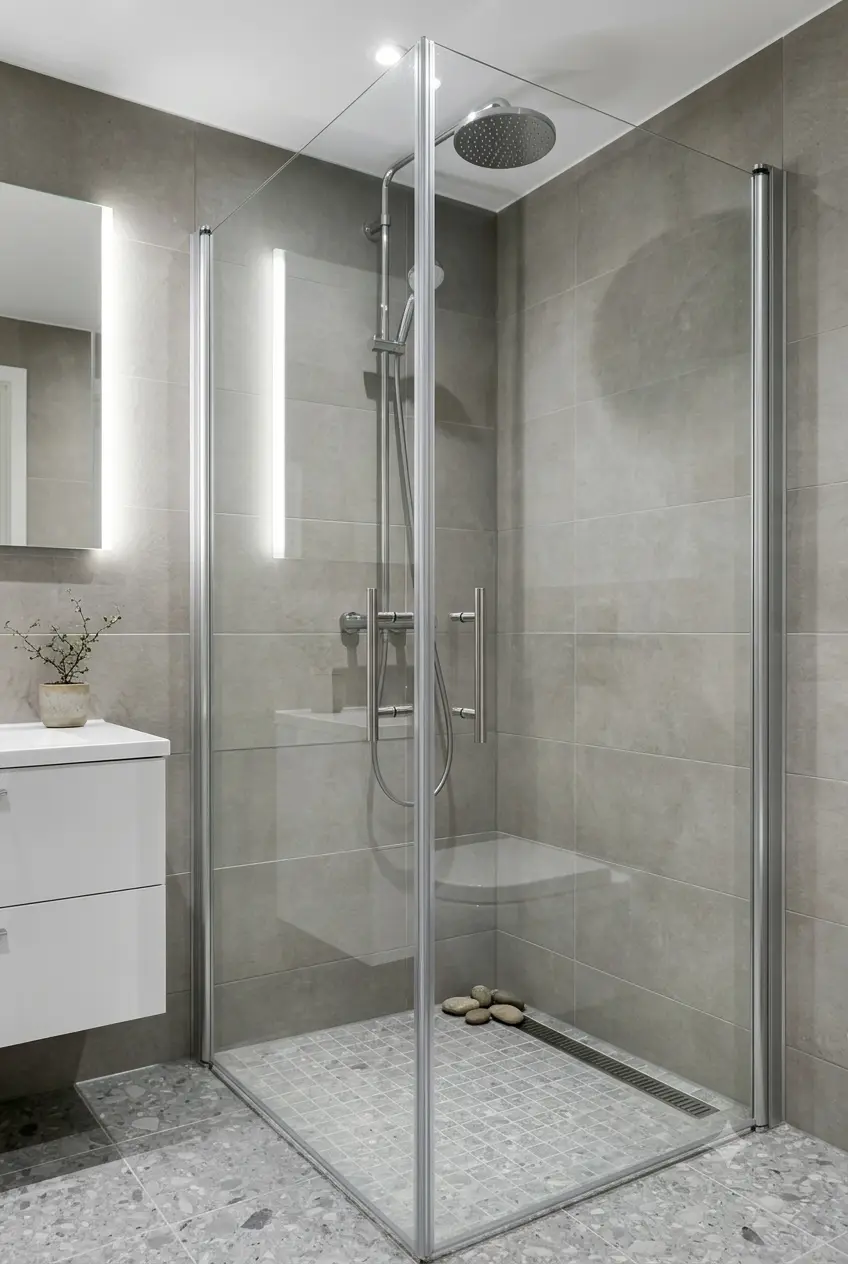
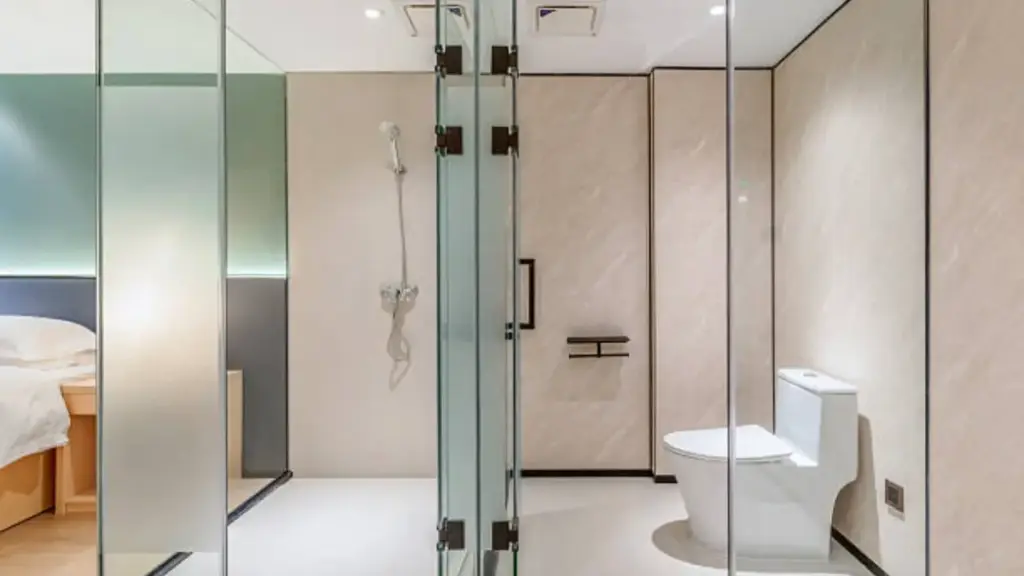
Поворотные душевые двери — «рабочие лошадки» коммерческих ванных комнат.: гостиничные номера, раздевалки в спортзале, помещения для персонала, ванные комнаты для пожилых людей. Они широко открываются, они выглядят чистыми, и у них есть ровно две части, которые изнашиваются: ось, на которой закреплена дверь, и уплотнители, которые удерживают воду внутри.. Когда дверь начинает провисать, царапать, или утечка, менеджер объекта узнает об этом из заявки на техническое обслуживание, которая будет возвращаться до тех пор, пока не будет устранена основная причина.
В этом руководстве описаны две работы по техническому обслуживанию, которые решают большинство жалоб на поворотные двери.: регулировка двери до выравнивания и замена изношенных уплотнителей. Оно написано для групп предприятий, управляющих несколькими ванными комнатами., где целью является не один умный ремонт, а повторяемая процедура, которую может выполнить любой техник., полка для запасных частей, закрывающая здание, и процесс гарантийной претензии, который работает, когда деталь выходит из строя раньше времени. Особенности эксплуатации зависят от модели, поэтому там, где размеры или размер инструмента имеют значение, обратитесь к руководству по установке для вашей конкретной двери — KJ Bath предоставляет иллюстрированное руководство для каждой поставляемой модели шкафа..
Ключевые выводы
- Девяносто процентов жалоб на поворотные двери связаны с двумя причинами.: оборудование не отрегулировано (провисать, царапать, сильно закрыть) и изношенные уплотнители (утечки, свистящие сквозняки, вода на полу).
- Прежде чем прикасаться к инструментам, проведите диагностику: наблюдайте за дверью в течение полного цикла открытия-закрытия и следуйте схеме контакта с неисправным компонентом..
- Регулировка последовательность — осмотрите крепления, исправить отвес двери, повторный тест — и он должен выдержать повторные циклы, иначе само оборудование изношено.
- Уплотнения являются расходным материалом, не компоненты: магнитные уплотнители по краям, нижняя развертка, и угловые дефлекторы всех возрастов и должны заменяться по графику., не при неудаче.
- В каждую поставку KJ Bath входит комплект запасных частей для быстроизнашивающихся предметов. (ролики, уплотнительные ленты), и на оборудование предоставляется 3-летняя гарантия, на корпуса распространяется гарантия 5.
- Регистрируйте каждую корректировку и замену по номеру комнаты — шаблон подскажет вам, когда запланировать упреждающую замену на всей территории объекта..
Как должна вести себя поворотная дверь
Прежде чем поддерживать что-либо, знаю что “правильный” похоже, потому что каждая корректировка измеряется относительно этого базового уровня. Здоровая поворотная дверь:
- Открывается и закрывается по всей дуге плавно., светостойкость — без привязки, никакого внезапного падения, нет звука металла по стеклу.
- Висит отвесно, с равномерным зазором между подвижной панелью и неподвижной панелью или стеновым каналом по всей ее высоте.
- Закрывается на магнитную пломбу мягким усилием и удерживается без дребезжания.; уплотнительные полоски совпадают друг с другом.
- Удерживает воду внутри во время обычного принятия душа — нижний смыв равномерно касается поддона или порога, без просветов в дневное время.
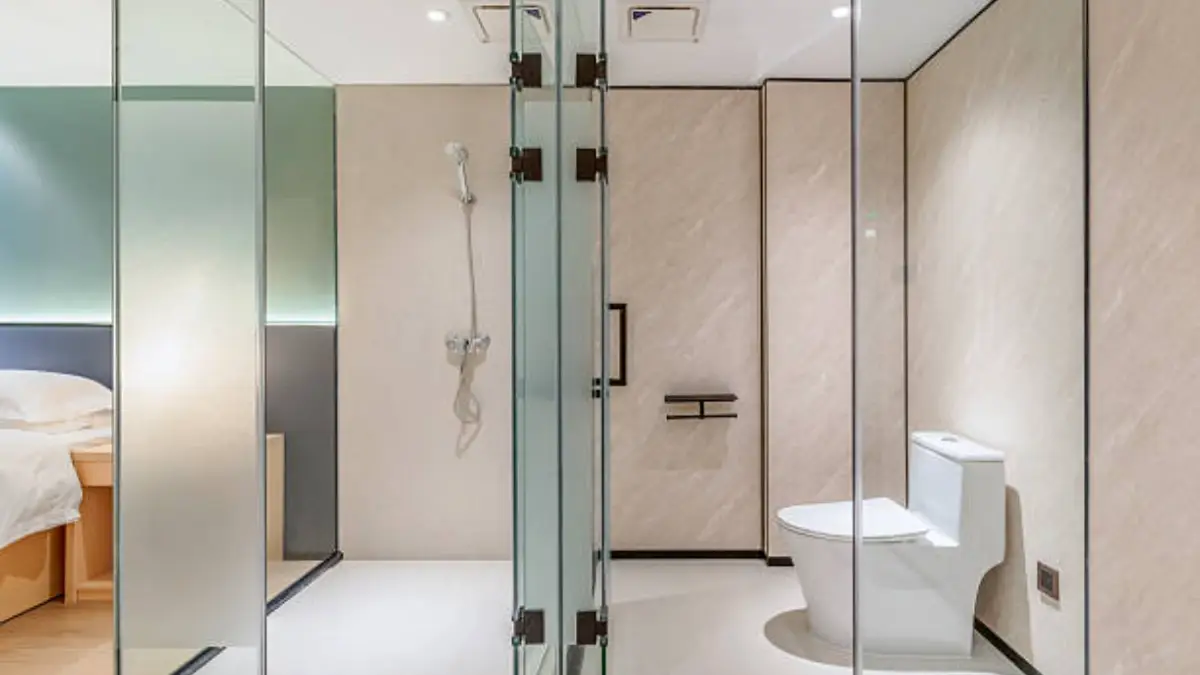
Поворотные двери отличаются от распашных тем, как они несут нагрузку.: панель вращается на аппаратном уровне (или рядом) сверху и снизу, а не на боковых петлях, что дает возможность широко открывающимся коммерческим ванным комнатам. Эта геометрия также определяет два семейства отказов — точка поворота несет всю дверь., поэтому его крепеж и подшипники начинаются там, где провисает, а закрывающая кромка работает на магнитных уплотнениях, вот тут и начинаются утечки. Для справки о том, как поворот, шарнир, Сравнение двустворчатых и двустворчатых дверей в коммерческих условиях, посмотрите наше сравнение типы дверей для небольших коммерческих ванных комнат.
Диагностика перед использованием инструментов
Десять минут просмотра экономят час неправильного ремонта. Проведите дверь несколько полных циклов и сопоставьте то, что вы видите, с этой таблицей.:
| Симптом | Наиболее вероятная причина | Первый ответ |
|---|---|---|
| Дверь упала; неравномерный вертикальный зазор | Ослаблены крепления шарнира или изношен верхний подшипник. | Отрегулируйте оборудование (последовательность ниже) |
| Царапание или связывание в середине дуги | Дверь из отвеса; панель или рама для улавливания панели | Отрегулировать отвес, затем проверьте наличие мусора в зоне пути |
| Свободно хлопает или раскачивается мимо точки закрытия | Магнитное уплотнение повреждено или отсутствует с одной стороны. | Осмотрите и замените магнитные краевые уплотнения. |
| Вода на полу снаружи вольера | Изношен нижний щиток или поврежден угловой дефлектор. | Замена нижнего уплотнителя и дефлекторов. |
| Дребезжание или свист при закрытии | Уплотнительные ленты сжаты, сморщенный, или смещен | Заменить уплотнения; проверьте выравнивание двери после |
| Коррозия или грубая работа шарнира | Срок службы оборудования истек или используется неправильное чистящее средство. | Заменить комплект оборудования; просмотрите чистящие средства |
Одно правило из таблицы: никогда не настраивайте оборудование для поиска утечки, и никогда не заменяйте уплотнения, чтобы устранить провисание.. Сопоставьте ремонт с семейством симптомов., или билет возвращается через две недели с тем же текстом.
Настройка поворотного оборудования
Регулировка – это последовательность, ни единого поворота. Пройдите через это по порядку и остановитесь, как только поведение двери вернется к исходному состоянию..
Шаг 1: Осмотрите крепеж

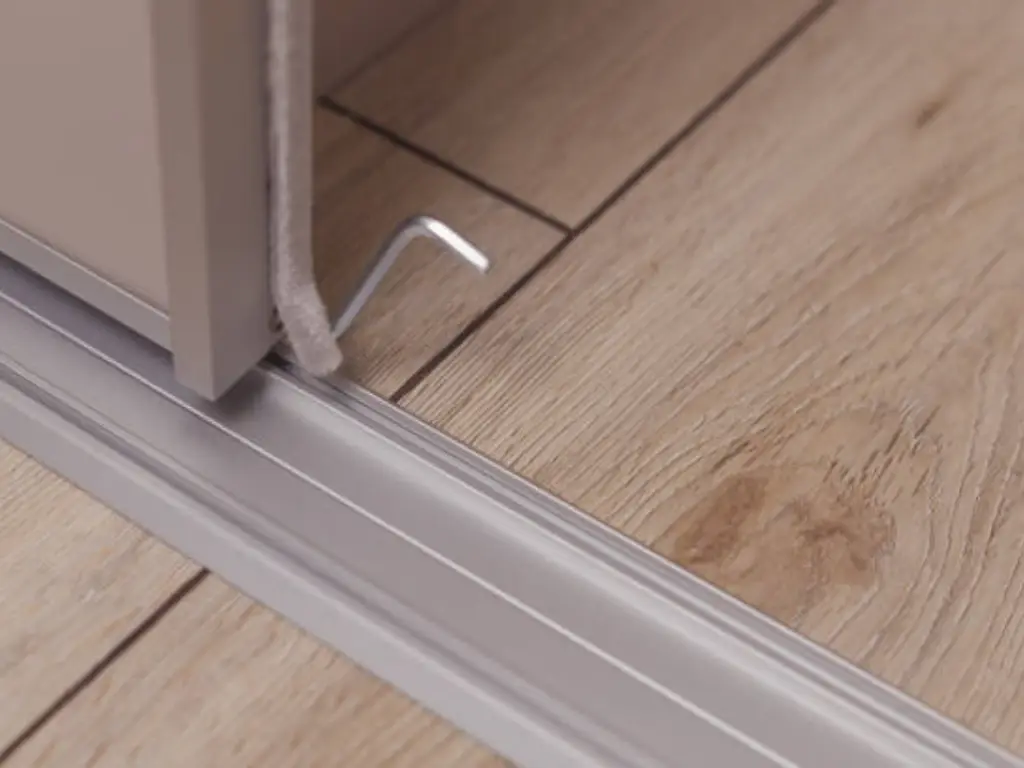
Проверьте крепления в верхней и нижней точках поворота, а также в настенном канале.. Используйте размер шестигранного ключа или ключа Torx, указанный в руководстве по установке — установка неправильного размера вокруг головки превращает пятиминутную регулировку в замену оборудования.. Ищите крепления, которые отвернулись, коррозия в месте крепления, или контакт стекла с металлом, где прокладка сместилась. Прежде чем что-либо затягивать, установите на место все ослабленные прокладки..
Шаг 2: Исправьте отвес двери

С закрытой дверью, держите уровень напротив края движущейся панели и сравнивайте с базовой линией с равным зазором. Коммерческие комплекты шарниров обеспечивают регулировку верхнего кронштейна или шарнирного пальца.; отпускайте фиксирующий элемент на четверть оборота за раз, подтолкните панель к отвесу, и повторно заблокировать. Победа небольших коррекций — четверть оборота, затем повторно проверьте полную дугу открытия-закрытия. За каждой регулировкой должно следовать три полных цикла, чтобы подтвердить, что коррекция сохраняется и что в середине дуги ничего нового не происходит..
Шаг 3: Повторное тестирование под нагрузкой
Закончите, плотно открыв и закрыв дверь десять раз.. Регулировка, которая выдерживает жесткую езду на велосипеде, но возвращается в исходное положение в течение нескольких дней, указывает на изношенные подшипники или растянутую прокладку — это замена деталей., не корректировка, и он должен идти в вашу гарантию или запасные части, а не в ящик для инструментов..
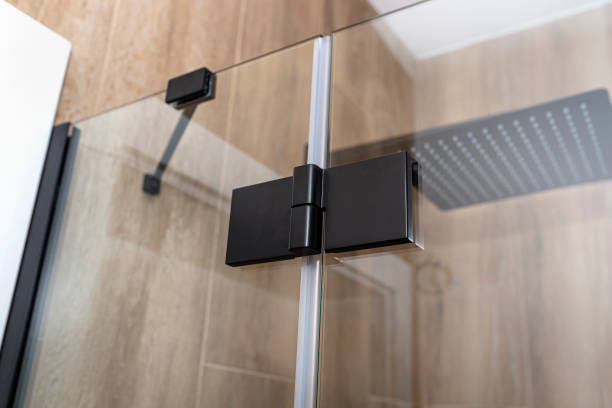
Для типов дверей, которые работают на роликах, а не на шарнирах., та же логика диагностики и регулировки применима к гусеницам и роликовым узлам — наша Руководство по обслуживанию раздвижных дверей и запасным частям эта процедура рассматривается отдельно.
Замена уплотнения
Уплотнения выходят из строя тихо. Магнитная полоса теряет гибкость, нижняя очистка обеспечивает постоянное прилегание к лотку, угловой дефлектор треснул в месте крепления — и в ванной сообщается “утечка,” что ничего не говорит вам о том, какая часть сдалась. Замена уплотнений как расходных материалов по графику., и всегда подобранные комплекты для каждой двери, потому что один новый сальник рядом с тремя устаревшими просто устраняет течь.
Магнитные краевые уплотнения
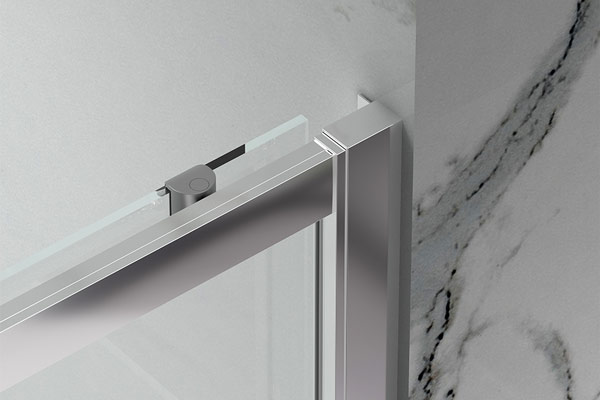
Вытащите старую полоску из канала — она должна выскользнуть вручную.; если он склеен окалиной или старым клеем, полностью очистите канал перед установкой нового, а не наслаивайте остатки. Отрежьте замену по длине с помощью острого лезвия и квадратного конца., нажмите его до упора на всем протяжении, и закрой туда дверь. Магнит должен закрыть дверь на последние несколько сантиметров и удерживать ее в этом положении.. Проверьте выравнивание: две полоски должны соприкасаться лицом к лицу. Если дверь закрывается, но полосы перекрываются или заходят, это вопрос регулировки (выше), дело не в уплотнении.
Нижняя развертка / Дверное уплотнение
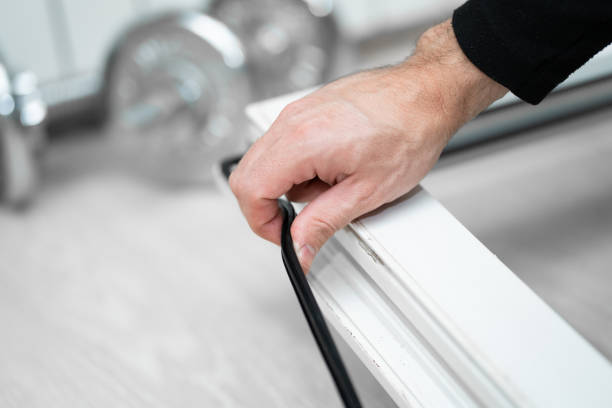
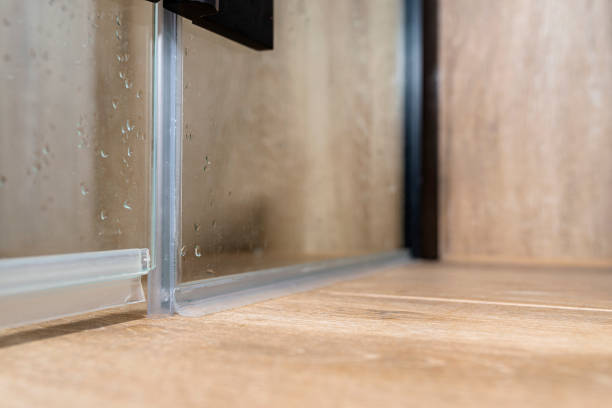
Нижнее уплотнение выдерживает наибольшую нагрузку: нагревать, чистящая химия, и постоянный изгиб. Замена аналогична процедуре «нажми и нажми».. Проверка посадки проводится визуально — подметальная планка или капельница должны просто касаться поддона или порога по всей его ширине.. Плавающая развертка оставляет зазор для брызг.; тот, который тащили под нагрузкой, изнашивается за несколько месяцев. Полная классификация типов тюленей и местонахождение каждого из них., см. наш Полное руководство по уплотнителям душевых дверей.
Угловые дефлекторы и брызговики
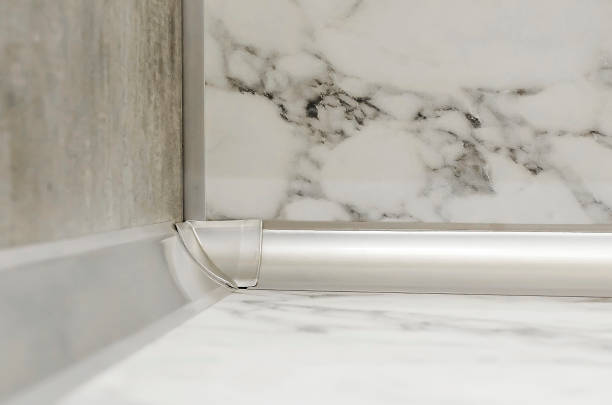
Угловые дефлекторы и брызговики перенаправляют воду обратно в шкаф в местах соединения панелей.. Они трескаются с возрастом и не отрываются от клея или зажима.. Осматривайте их всякий раз, когда источником протечки не является нижняя труба — треснувший дефлектор может направить воду по горизонтальному стыку и выпустить ее далеко от места входа., вот как происходят загадочные утечки.
Масштабируемая частота профилактического обслуживания
Реактивное обслуживание душевых дверей не распространяется на несколько ванных комнат.. В каких масштабах измеряется каденция:
- Ежемесячно, за номер: один полный дверной цикл, один взгляд на вертикальный зазор, один взгляд на нижнюю развертку. Две минуты на ванную; ловит дрейф до того, как жители это заметят.
- Ежеквартальный, за здание: проверьте вращающуюся выборку комнат по глубине — момент затяжки затяжки на ощупь, гибкость уплотнения, следы коррозии на креплениях.
- Ежегодно: заменить уплотнители на дверях с наибольшим количеством циклов (помещения для персонала, тренажерные залы) вместо того, чтобы ждать неудачи.
- Всегда: запишите номер комнаты, симптом, замененная деталь, и дата. Два года этого журнала подскажут вам, какая модель поедает тюленей быстрее всего и когда делать предварительный заказ..
Уборка относится к тому же разговору, потому что агрессивная химия приводит к старению уплотнений и преждевременному выходу PVD. Следуйте рекомендациям производителя дверей по чистке — в программах для ванных комнат отелей это является постоянной политикой., и наш Руководство по уходу за душевой перегородкой в отеле подробно рассматривается соединение «очистка-уплотнение».
Запасные части и гарантийная поддержка
Программа технического обслуживания живет или умирает в зависимости от наличия запасных частей.. Когда KJ Bath отправляет заказ на корпус, каждая партия включает в себя комплект запасных частей изнашиваемых элементов — роликов и уплотнительных лент — именно поэтому бригады по эксплуатации не запускают цикл закупок для десятиминутного ремонта.. Заказ расходных материалов по списку деталей модели., и иметь как минимум один полный комплект уплотнений для каждой модели на здание, плюс запасные части оборудования, пропорциональные количеству единиц.
Гарантия — это вторая половина службы поддержки.. KJ Bath охватывает душевые двери для 5 лет и аппаратные компоненты для 3, и отвечает на международные запросы в течение 12 часы. Когда деталь выходит из строя в течение гарантийного периода, отправьте претензию, приложив к ней журнал обслуживания — дату установки, история симптомов, и фото вышедшей из строя детали. Документально подтвержденная претензия – это быстрая претензия.. Если ваши двери от другого поставщика, применимы те же два вопроса: что находится в упаковке запчастей, и что на самом деле распространяется гарантия на оборудование по сравнению с самим корпусом. А страница обслуживания и поддержки описывает полный процесс послепродажного обслуживания.
Уход за ограждениями ванн KJ на территории?
Получите список уплотнений и деталей оборудования для вашей модели., подтвердить гарантийное обслуживание, или закажите запасные комплекты для вашего здания. KJ Bath поддерживает бригады объектов, предоставляя 5-летнюю гарантию на корпус, 3-гарантия на оборудование года, и 12-часовой ответ на международные запросы.
Часто задаваемые вопросы
Как предотвратить провисание поворотной душевой двери??
Сначала осмотрите крепеж в верхней и нижней точках поворота, а также в стенном канале., используя размер инструмента из руководства по установке.. Затем откорректируйте отвес двери, отрегулировав верхний кронштейн или шарнирный штифт., четверть оборота за раз, повторное тестирование через полные циклы. Дверь, которая не выдерживает регулировки, имеет изношенные подшипники или прокладки и требует запчастей., больше не приспосабливаюсь.
Как часто следует менять уплотнители душевых дверей?
Относитесь к уплотнителям как к расходным материалам.. Ежемесячно проверяйте компрессию, закалка, и пробелы, и заменить высокоцикловые двери (персонал и тренажерный зал) ежегодно. В типичных ванных комнатах жильцов, ожидайте, что краевые и нижние уплотнения потребуют замены в течение нескольких лет, в зависимости от использования и химического состава очистки.. Всегда заменяйте уплотнения на каждой двери согласованным комплектом..
Почему дверь в душевую протекает, хотя уплотнители выглядят нормально?
Сначала проверьте угловые дефлекторы и брызговики.. Треснувший дефлектор направляет воду вдоль горизонтального шва и выпускает ее в сторону от двери., это похоже на загадочную утечку. Также убедитесь, что дверь все еще стоит вертикально.: Неотрегулированная дверь может закрыться с визуально неповрежденными уплотнениями, но смещенными, оставляя зазор вверху или внизу закрывающего края.
Какая гарантия распространяется на душевые двери и фурнитуру KJ Bath??
KJ Bath охватывает душевые двери для 5 лет и аппаратные компоненты для 3 годы, с ответами на международные запросы в рамках 12 часы. Подавайте претензии вместе с журналом технического обслуживания и фотографиями неисправной детали — документированная претензия обрабатывается быстрее..
В комплект поставки KJ Bath входят запасные уплотнения и ролики.?
Да. Каждая поставка включает в себя комплект запасных частей изнашиваемых изделий — роликов и уплотнительных лент — поэтому сотрудники предприятия могут выполнять регулярные замены без отдельного цикла закупок.. Дополнительные пакеты можно заказать по списку деталей модели..