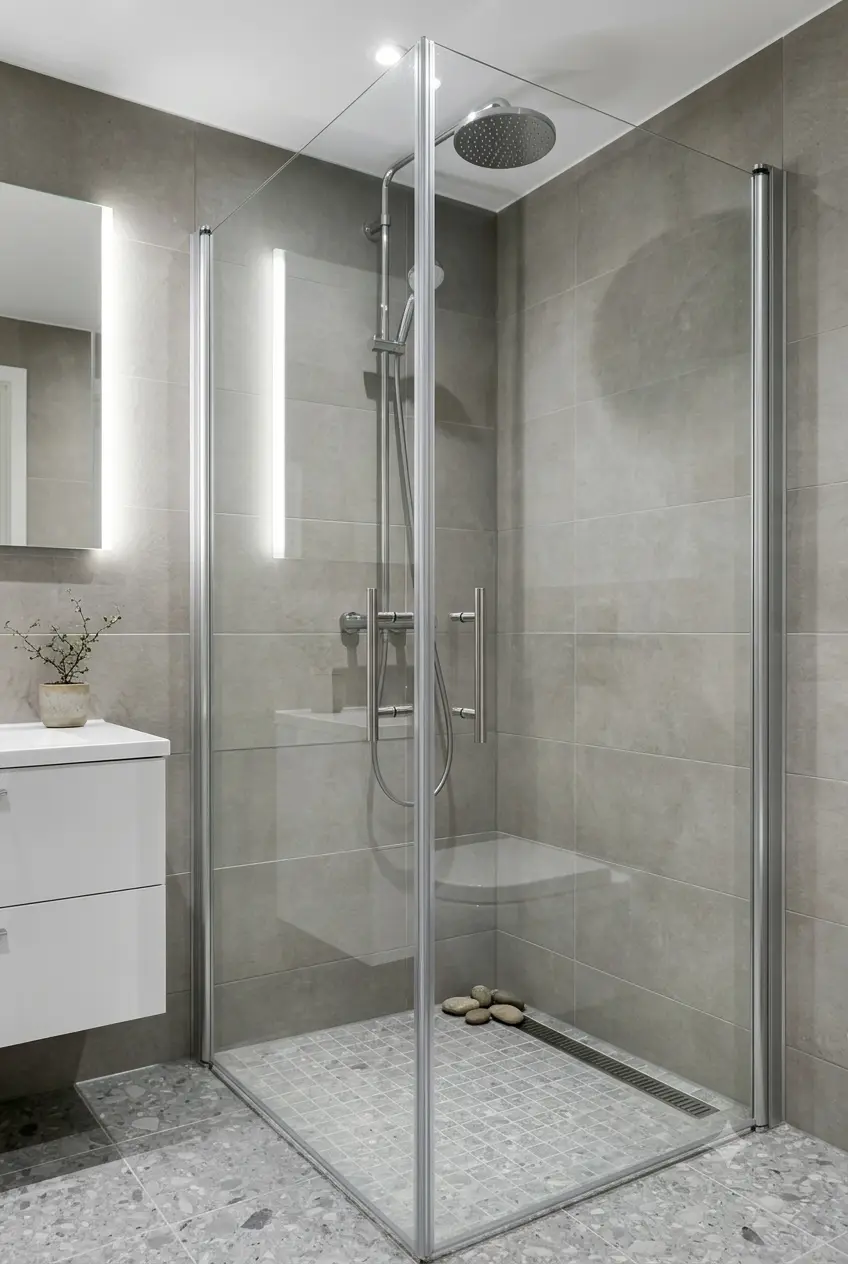

A hotel shower screen takes more abuse in one month than a residential unit sees in a year. Housekeeping touches it several times a day, guests use it however they like, และแมวน้ำ, บานพับ, and rollers keep working without anyone on the maintenance schedule thinking about them. Then one morning a panel is fogged with limescale, a door drags on its track, or water is running onto the bathroom floor, and the room comes out of service.
This guide is written for facility managers and housekeeping supervisors who are responsible for shower screens across dozens or hundreds of rooms. It covers a practical cleaning protocol, how to inspect and replace seals before they fail, what to watch on hardware, and how to plan the replacement cycle so enclosures are a budgeted item rather than an emergency. The goal is simple: keep every room sellable, and push each screen to the full length of its service life.
ประเด็นสำคัญ
- Hotel screens fail early mostly from aggressive cleaners, ignored seals, and worn sliding hardware, not from the glass itself.
- A two-minute squeegee pass after each turnover prevents most limescale and soap build-up, and cuts deep-cleaning time dramatically.
- Seals and wiper strips are consumables. Inspect them monthly and keep spare stock; a failed seal turns into water damage and a room out of order.
- Sliding hardware on a quality commercial enclosure is rated for around 100,000 รอบเปิด-ปิด, but only stays smooth if tracks and rollers are kept clean.
- Write cleaning rules, spare-part stock levels, and replacement triggers into one protocol so every housekeeping shift works the same way.
- Specifying easy-clean coated glass and corrosion-resistant hardware at the design stage lowers lifetime maintenance cost more than any cleaning routine can recover.
Why Hotel Screens Fail Years Before Their Time
Tempered glass in a commercial shower enclosure is built to a demanding standard. Panels are tempered from 6mm to 12mm, tested to ANSI Z97.1 impact requirements, and certified for North American projects under the SGCC listing. The glass itself rarely dies of old age inside a hotel’s replacement horizon. What fails first is everything around it.
Three causes account for most early failures:
- Chemical damage. Acidic descalers, abrasive creams, and bleach-based products attack chrome plating, scratch glass, and perish rubber and PVC seals. A well-meaning housekeeper with the wrong bottle can do more damage in one clean than a thousand guests do in a year of use.
- Seal neglect. Wiper strips and bottom seals are the cheapest components on the enclosure and the first to wear. When they harden or tear, water escapes onto the floor, causing swelling vanities, stained drywall, and slip complaints.
- Hardware wear in the wrong environment. ลูกกลิ้ง, บานพับ, and brackets live in a humid, chemical-heavy space. Corrosion-resistant finishes matter, but so does keeping grit out of sliding tracks.
None of these are surprises. All three are controllable with a written protocol, which is exactly what the rest of this article builds.
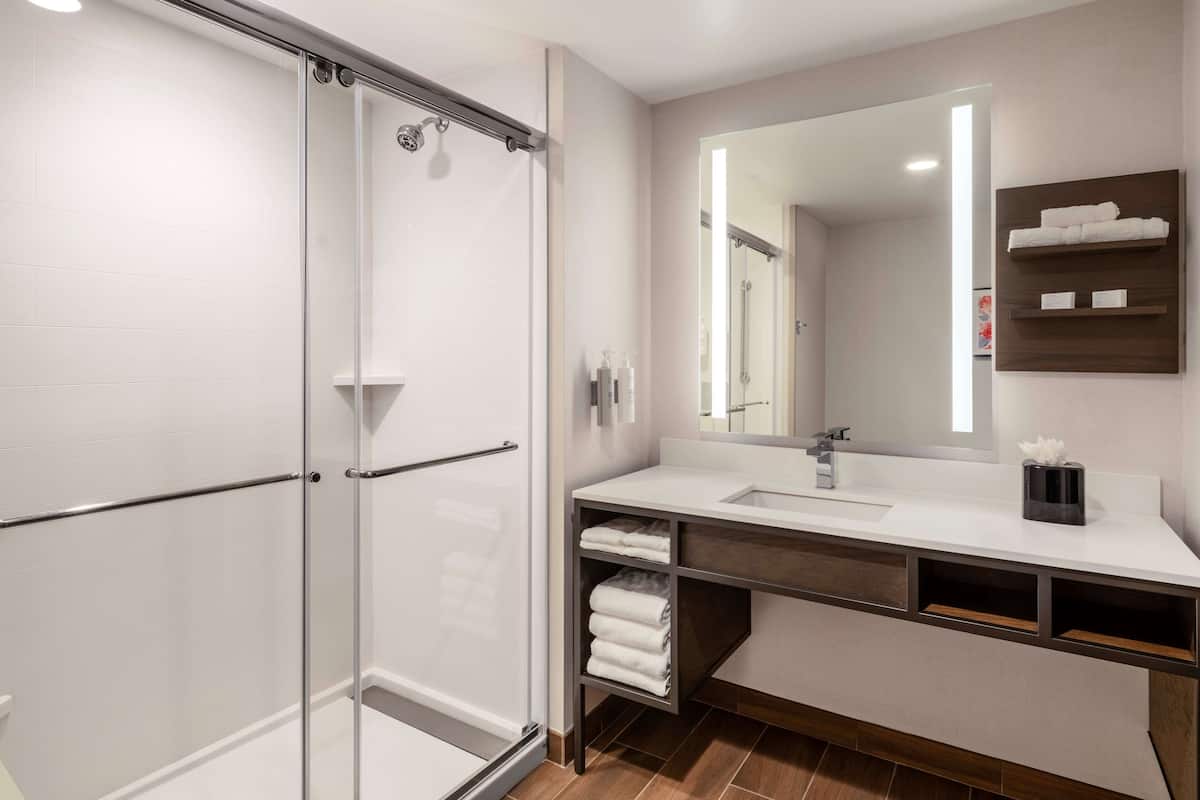
The Cleaning Protocol: Daily, Weekly, Periodic
Build the routine in three layers. The daily layer prevents build-up, the weekly layer removes what prevention missed, and the periodic layer handles hardware and hidden parts.
Daily (after every guest stay)
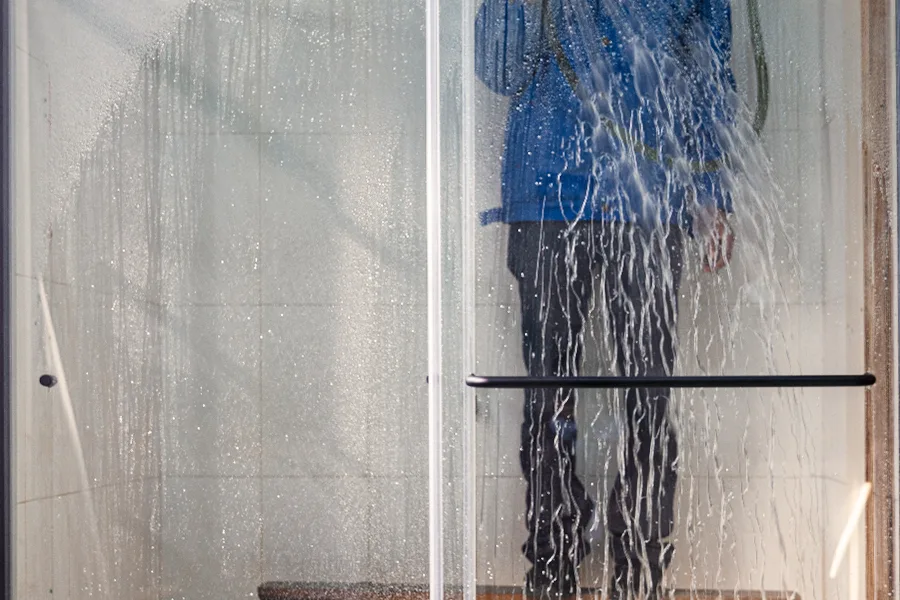
A two-minute squeegee pass over the glass after each room turnover is the single highest-return habit in the whole protocol. It removes the bulk of water before it can dry into limescale, so mineral build-up never gets a foothold in hard-water areas. Pair it with a soft microfiber cloth on the chrome fittings to wipe standing water off hinges and handles. No cleaner is needed on most surfaces on most days.
Weekly
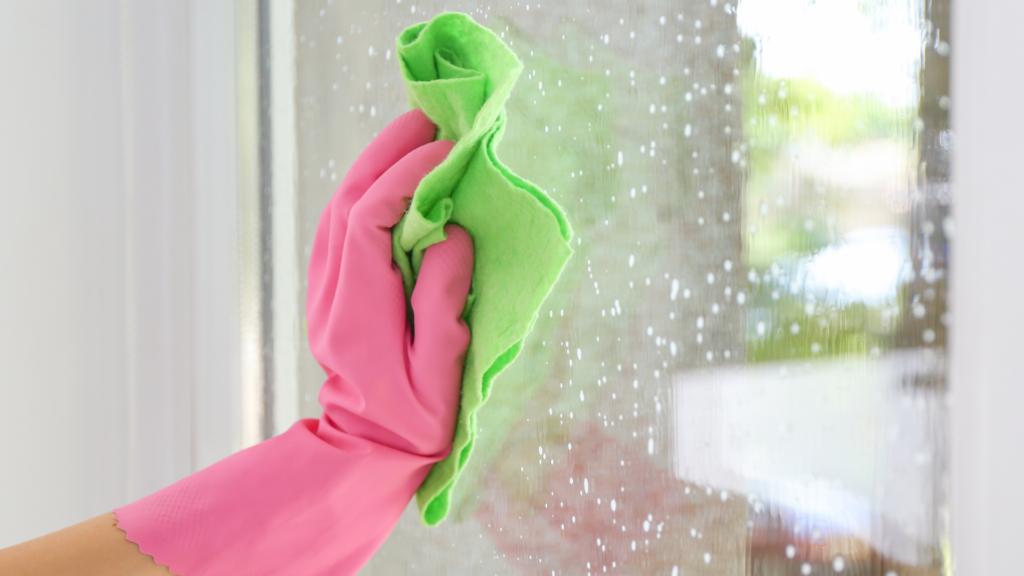
Once a week, wash the glass with warm water and a few drops of pH-neutral dish soap, then rinse and squeegee dry. For light mineral haze, a white vinegar-and-water solution applied briefly and rinsed off completely will restore clarity without etching the surface. The keyword is rinsed off completely: anything left sitting on chrome or in a rubber seal’s path accelerates wear.
Monthly and quarterly
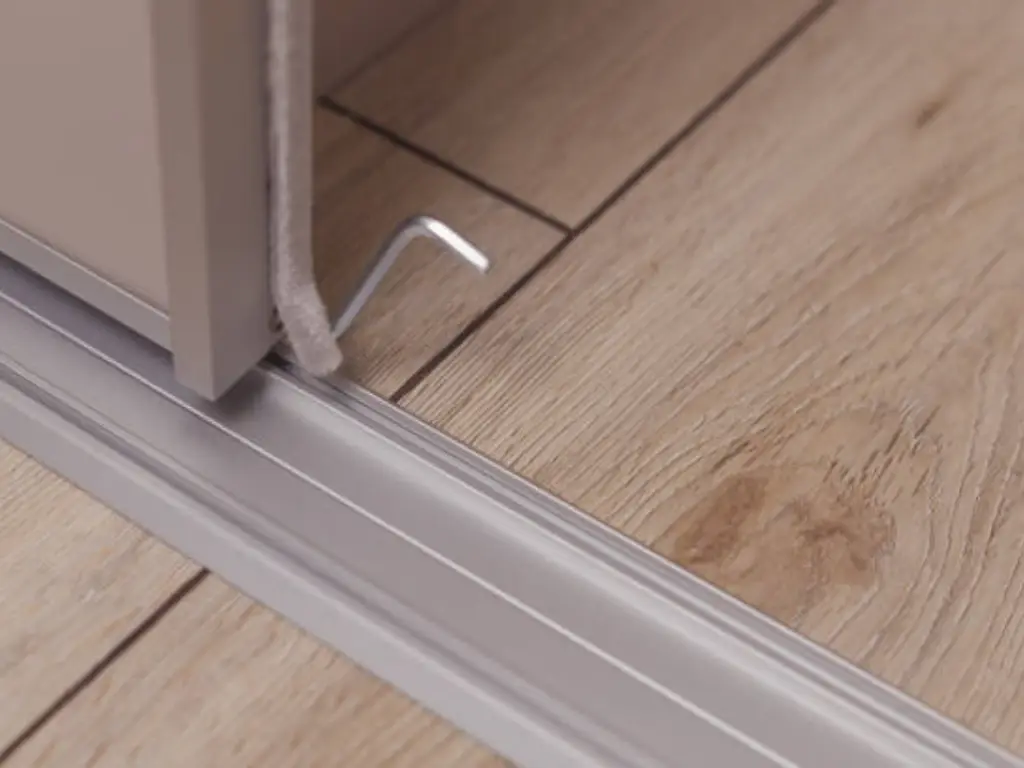
Monthly, pull the sliding doors off or lift them clear and vacuum out the bottom track, then wipe it damp. Grit in a track is what turns a smooth glide into a scratch and a strained roller. Quarterly, inspect every seal, wiper strip, roller, and hinge in the room and log what you find, ห้องต่อห้อง. That log becomes your replacement forecast.
What to ban from the cart
Put these in writing on the back of the protocol sheet: no abrasive powders or scouring pads on glass or chrome, no undiluted acids (they pit chrome and perish seals), no bleach left on rubber or PVC, and no pressure on printed or coated glass surfaces. If a guest complaint can be solved with the wrong chemical, a housekeeper will eventually solve it with the wrong chemical — the protocol exists to make the right habit easier.
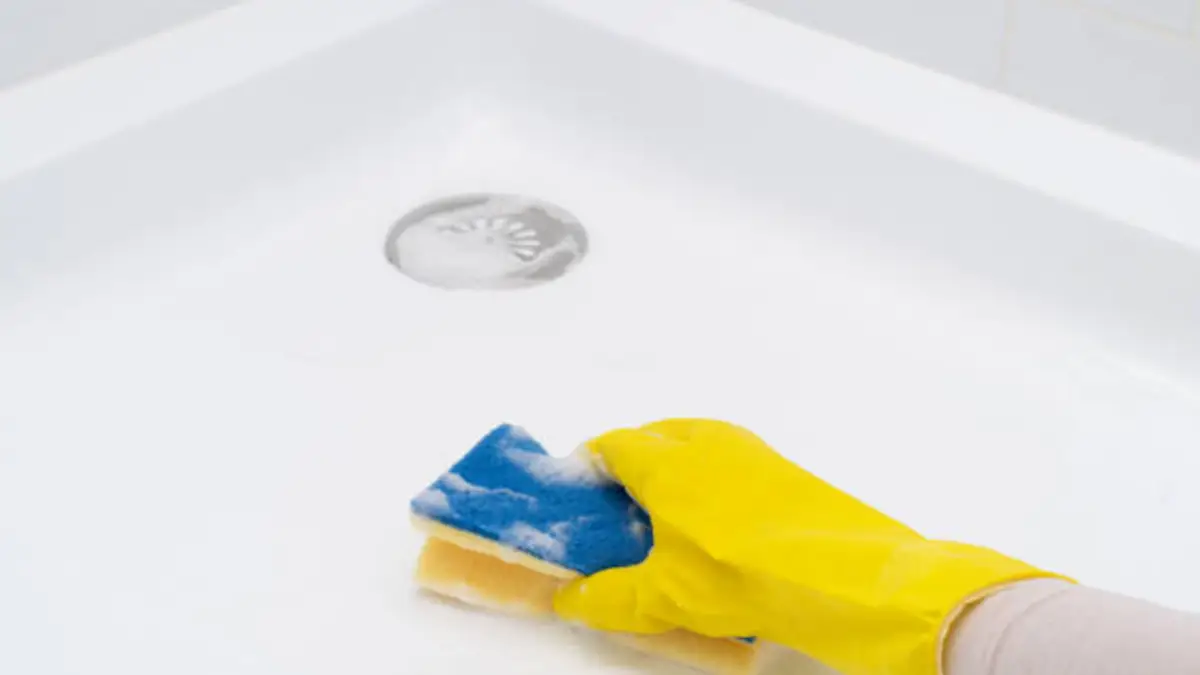
Seals and Wiper Strips: Inspect Monthly, Stock Spares
Seals are consumables. Every wet-side edge of an enclosure — door-to-glass contact strips, bottom guides, threshold bars — is rubber or PVC doing a job under constant water, soap, และการสัมผัสสารเคมี. They harden, shrink, tear, and eventually leak.
The monthly thirty-second check
- Run a finger along the seal: it should feel flexible, not brittle or permanently deformed.
- Look for yellowing or chalky residue, which signals the material is breaking down.
- Check the water line on the floor outside the enclosure after a shower test — any escape means the seal has already failed, even if it still looks intact.
- On sliding doors, confirm the wiper strip clears the glass cleanly; streaks and smears mean it has taken a set.
Replacement, not repair
Seals are not worth repairing. Keep a stock of the correct profiles for every enclosure type in the property and swap any seal that fails inspection. Because profiles differ between manufacturers, note the seal type when you specify the enclosure, and ask your supplier what their spare seal material is and how it is cut. A well-organized spares shelf is far cheaper than one afternoon of water damage in the room below.
Sliding Doors and Hardware: Keep the Glide
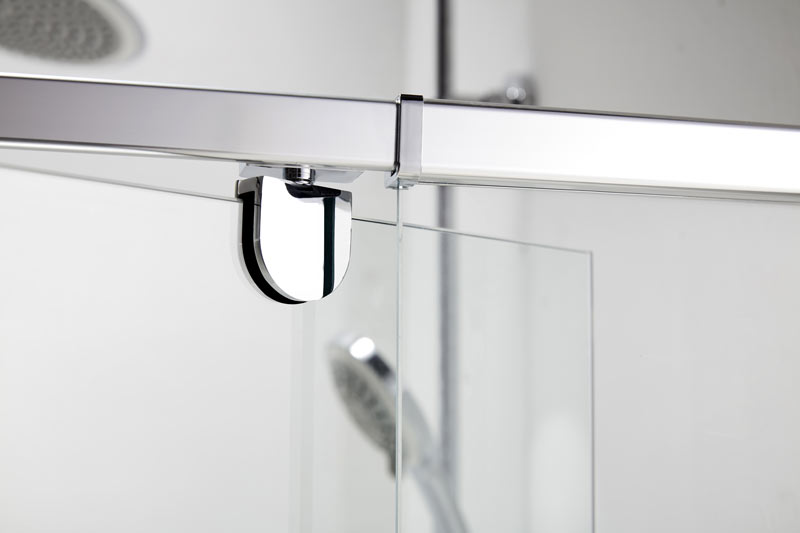
Quality commercial sliding hardware is engineered for exactly this environment. Roller assemblies on well-built enclosures are cycle-tested to around 100,000 open-and-close operations, and corrosion resistance is verified through salt spray testing, with PVD-coated finishes holding up best under constant moisture. That rating is a floor, not a ceiling — but only if three conditions hold:
- Tracks stay clean. Grit in the bottom track grinds rollers and scratches the rail. Quarterly vacuum-and-wipe is enough.
- Doors stay aligned. A door that drags usually has a roller out of adjustment or a bracket that has worked loose. Correct it early; a dragging door loads one roller with the whole leaf’s weight.
- Finishes stay un-molested. Chrome and coated hardware survives years if acidic cleaners never touch it. ที่สุด “corrosion” we see on audit photos is chemical damage wearing the plating through.
If a panel on an existing installation starts to stick, check for water spots, not just roller wear. คำแนะนำของเราในการ cleaning shower door tracks walks through the full process, and the deeper background on seal types is in the shower door seals guide.

การวางแผนการมีอายุยืนยาว: From Emergency Calls to a Budget Line
The difference between a well-run property and a reactive one is not effort, it is planning. Three things belong in your annual budget and calendar.
1. A warranty register
Record what warranty came with each enclosure generation in the property. A meaningful commercial program backs doors with a 5-year warranty and hardware components with 3 ปี, and those terms only pay out if you can show the product, the batch, and compliant maintenance. Keep the paperwork per room cluster, and file inspection notes against it.
2. A spare parts position
Never run a property on zero spares. Reputable manufacturers ship enclosures for hospitality projects with a spare pack covering the known wear items — rollers, แมวน้ำ, guide blocks — for exactly this reason. Calculate your holding stock from room count and failure rate: a property with 150 sliding enclosures realistically replacing two seal sets a month should never be ordering one set at a time with air freight attached.
3. A replacement trigger, not a replacement debate
Decide in advance what ends an enclosure’s service: glass hazed beyond polishing, a frame with perished seals beyond stock replacement, or hardware where replacement parts are no longer available. When a room hits the trigger, it enters the next capex cycle automatically. The sites pillar on ฉากกั้นอาบน้ำ shows what current commercial specification looks like if you want a benchmark for the conversation with your supplier.
| Cadence | Task | Who owns it |
|---|---|---|
| Every turnover | Squeegee glass, wipe chrome dry | Housekeeping |
| Weekly | pH-neutral wash, rinse, แห้ง; diluted vinegar on haze | Housekeeping |
| Monthly | Track clean-out; seal and wiper inspection with a logged result | การซ่อมบำรุง |
| Quarterly | Roller alignment, hinge and bracket check, spares stock count | การซ่อมบำรุง |
| Annually | Warranty register review; replacement-trigger audit by room cluster | Facilities manager |
Specifying for Low Maintenance: What the Protocol Cannot Fix
No cleaning routine recovers a bad specification. If you are fitting new rooms or refurbing, three spec decisions do more for lifetime maintenance cost than any protocol:
- Easy-clean coating on glass. A factory hydrophobic coating keeps water beading and sliding off, so limescale adheres far more slowly. In hard-water properties this is not a luxury feature; it is a labor-cost saving.
- Corrosion-resistant hardware with a verified test behind it. Ask for the salt spray data and the finish process. PVD-coated stainless hardware survives hotel chemistry; decorative plating on a cheap base does not.
- Sealed roller systems and available spare profiles. Confirm before ordering that wear parts are stocked and cut to a standard profile your maintenance team can fit.
If your current enclosures came from a project specification you no longer hold, our companion guide on specifying shower enclosures for hotel bathroom projects gives you the language to write the next one properly.

Building a Maintenance-Friendly Enclosure Specification?
KJ Bath supplies hospitality projects with verified hardware cycle testing, PVD and salt-spray-tested finishes, spare parts packs with every shipment, and a 5-year warranty on doors. Send us your room schedule and we will put the wear parts, โปรไฟล์, and replenishment terms in writing before you order.
คำถามที่พบบ่อย
How often should hotel shower seals be replaced?
Inspect monthly, replace on condition. Seals in heavy-use rooms typically need replacement every one to two years depending on water chemistry and cleaning chemicals. Do not wait for a leak: once water is tracking onto the floor, the subfloor and the room below are already at risk.
Can limescale be removed from hotel shower glass without replacing it?
Surface haze usually responds to a diluted acid treatment followed by a thorough rinse, and heavily scaled panels can be professionally polished. But once etching has gone through the coating and into the glass surface, polishing only thins the problem. Prevention through the daily squeegee pass and an easy-clean coating specification is far cheaper than recovery.
What cleaner do you recommend on a daily basis?
Water and a squeegee. On most days, no chemical is needed at all. When one is, use a pH-neutral detergent, apply it to the cloth rather than spraying it to dwell on chrome and seals, and rinse completely.
How long do commercial sliding shower door rollers last?
Quality roller assemblies are cycle-tested to around 100,000 open-close operations. In a hotel room with several uses a day, that is well beyond a typical refurb cycle, provided the tracks stay clean and the door stays aligned. Premature roller failure is almost always a symptom of grit or misalignment rather than a warranty claim against the hardware.
Should housekeeping or maintenance own the enclosure protocol?
Split it by frequency. Housekeeping owns the daily and weekly cleaning layer because they are in every room every day. Maintenance owns the monthly seal and hardware inspection with a written log, because that log drives spare-parts purchasing and the annual replacement plan.
Does warranty cover seals and rollers?
Straight answer: wear items usually do not carry the same coverage as the product itself. ที่เคเจ บาธ, doors are backed by a 5-year warranty and hardware components by 3 ปี, but seals and brush strips are consumables and should be budgeted as stock. Confirm the wear-item terms with any manufacturer before you order, and agree spare-part pricing at the same time.