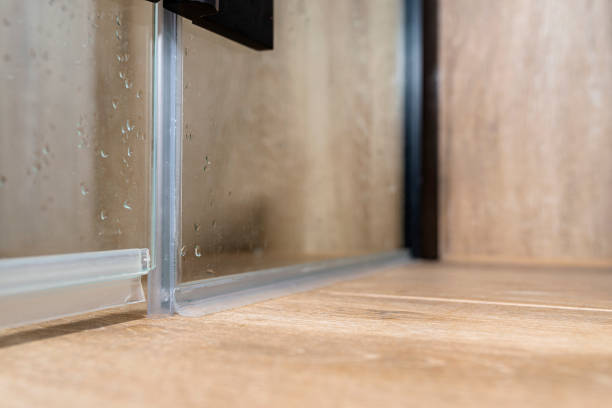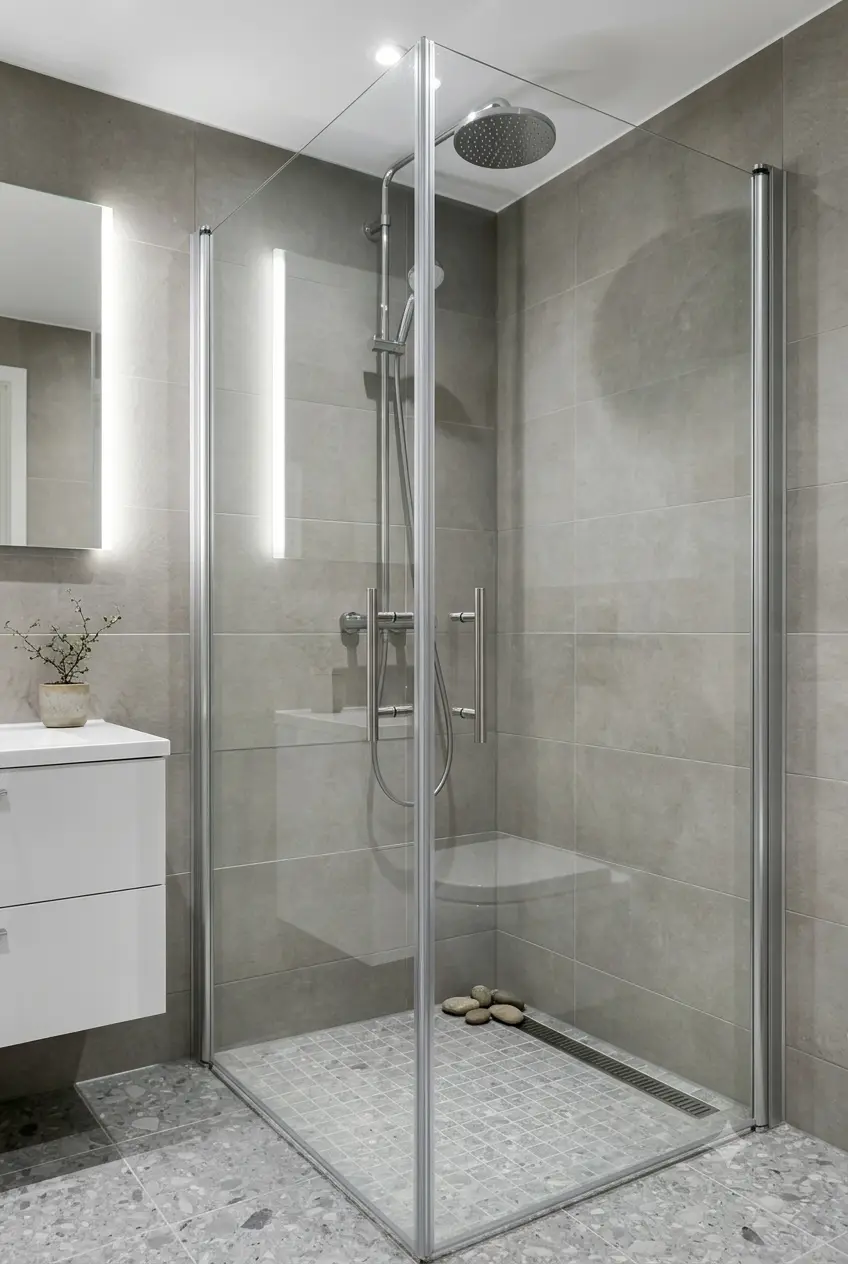
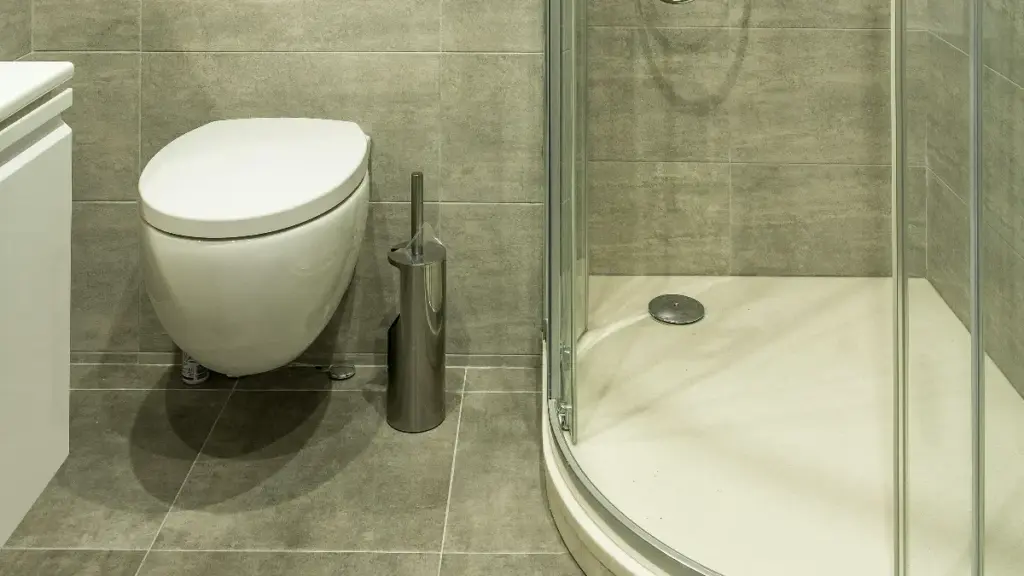
A corner position is the most common place a shower ends up in a compact bathroom, and it is also the position where a standard-size enclosure fits worst. Walls run out of square, the drain sits off-center, and the 900mm panel you assumed would work leaves a gap you can see daylight through. When a catalogue unit will not do the job, the practical answer is a custom corner shower enclosure built to your drawings.
This guide walks through what customizing a corner enclosure actually involves: the design options you can specify, how minimum order quantities work, how lead time is built up stage by stage, and what drives bulk pricing. Everything here reflects how KJ Bath, a shower enclosure manufacturer in Foshan, China since 1999, structures custom corner orders for importers, distributors, and project buyers. The goal is simple: you should finish this article able to brief a factory with confidence and read its first quote with a critical eye.
Key Takeaways
- Custom corner enclosures cover five decision areas: footprint shape, glass thickness and type, hardware finish, door configuration, and tray integration.
- KJ Bath sets MOQ at 10 sets for main models — low enough to test a market without committing to a full container.
- Expect about 15 working days for a sample and 30 working days for a first production run, shortening to 20-25 days on repeat orders.
- Bulk pricing moves with glass thickness, hardware finish, packaging spec, and order volume — get each of these pinned down in the quote, not just a unit price.
- Standard payment terms are 30% deposit and 70% balance after pre-shipment inspection, with SGCC/CE certificate copies supplied with the goods.
- Payment terms, tooling ownership, and certification paperwork belong in the contract before production starts, not after.
What Custom Actually Means for a Corner Enclosure
Custom is not a single service. It is a stack of choices, and each choice changes the price and the production plan. Before you contact a factory, it helps to know which of these five layers you actually need and which you can take from a standard model.
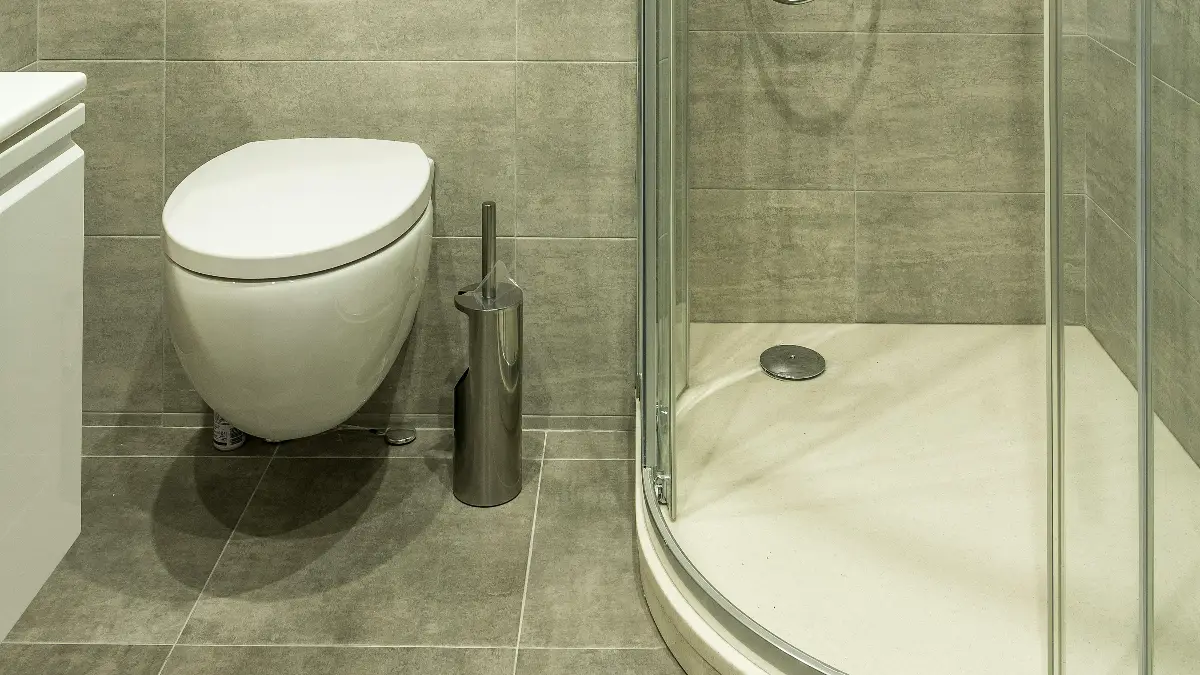
1. Footprint and Shape
The corner format itself has several families: square, diamond (five-sided), quadrant (curved front), and neo-angle. Each trades floor space against entry width and interior standing room. If you have not settled the shape yet, our comparison of neo-angle, diamond, and quadrant enclosures breaks down the sizing logic for North American bathrooms. Custom work means the panel widths and heights follow your bathroom dimensions, not a catalogue grid.
2. Glass Thickness and Type
Corner enclosures run on tempered glass from 6mm to 12mm. Thinner glass suits framed units where the channel carries the structure; frameless designs need 10mm or more because the panel itself provides rigidity. Beyond thickness you can specify glass type — clear, easy-clean coated, or patterned — and request heat soak testing on large panels as added insurance against spontaneous breakage.
3. Hardware and Finish
Hinges, handles, wall channels, and support bars come in polished chrome, matte black, brushed gold, and gun grey, among other finishes. On commercial projects the finish should be more than cosmetic: a PVD-applied coating holds up against humidity and daily cleaning far longer than standard electroplating. Ask the factory which finishes are PVD and request a salt spray test report for the hardware batch.
4. Door Configuration
Corner doors can swing on pivots or hinges, slide on a track, or fold. The choice depends on the clear floor space in front of the enclosure and on accessibility requirements. Sliding and bi-fold doors preserve floor space in tight multifamily bathrooms; pivot doors give a wider opening where space allows. Our guide to pivot, hinged, and bi-fold doors in small commercial bathrooms compares the options in detail.
5. Tray Integration
Finally, decide whether the enclosure sits on a matching acrylic tray, on tile with a curb, or on a flush-level base with a linear drain. Ordering tray and glass together from one factory keeps the profiles matched — the glass wall channel aligns with the tray edge exactly, which is one of the quiet variables behind whether an enclosure leaks. Water management details like magnetic seals deserve their own attention; see how magnetic seals keep corner enclosures watertight.
Design Options in Detail
Once you know the five layers, the design conversation with a factory becomes concrete. These are the option sets KJ Bath works with most often on corner projects.
Corner Shapes and Their Fit

Square corner units are the simplest to fabricate and install, which keeps them the cheapest custom format. Diamond and neo-angle shapes cut the protruding corner out of the room, freeing walkway space in tight bathrooms, at the cost of more joints to seal. Quadrant and curved-front units soften the room visually but need curved glass, which narrows the pool of factories that can produce them well. KJ Bath produces diamond and sector-shaped enclosures as standing formats — models JL139 and JK1934 were developed specifically for small apartment bathrooms — so a custom order in those families starts from proven tooling rather than a blank sheet.
Tray Shapes and Drain Positions
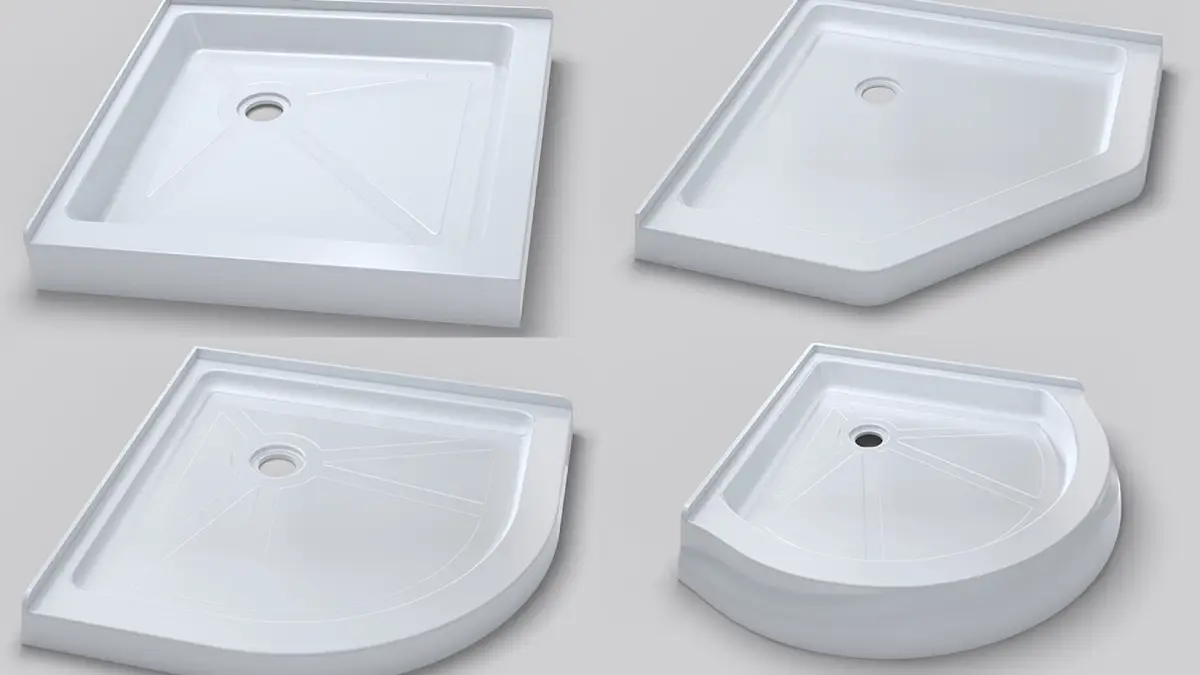
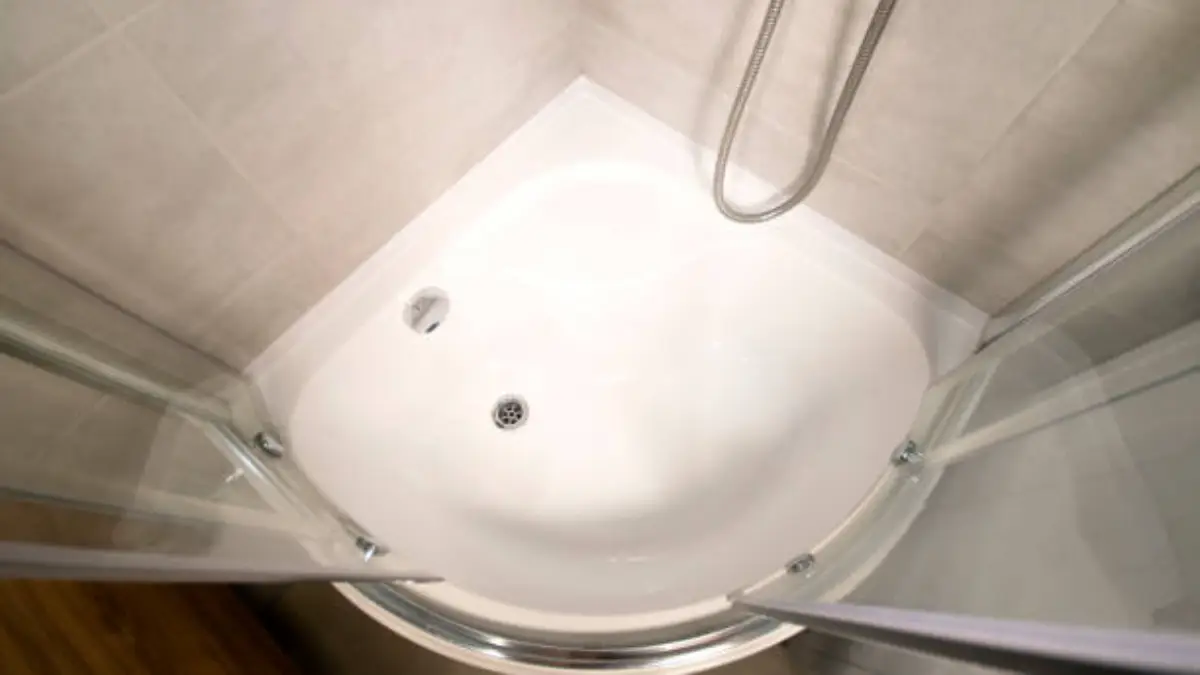
Acrylic trays come in square, corner, and quarter-circle footprints with center or offset drains. Customizing the drain position matters most in renovation projects where moving plumbing is not on the table. Specify the drain location on your drawing with dimensions from the walls, and confirm the factory will match the cutout and fall angle to your floor build-up.
Hardware Finishes and Coatings
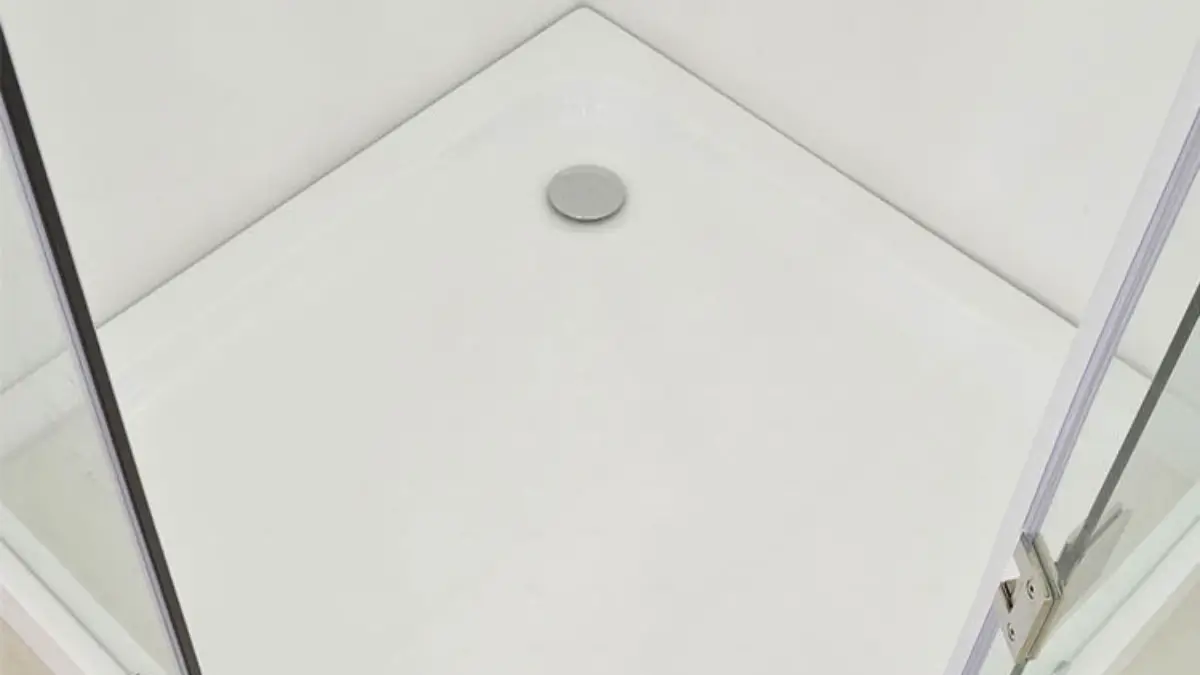
Matte black and brushed gold remain the most requested premium finishes on hotel and boutique-residential projects, with polished chrome the default for value-driven programs. The specification that matters commercially is the coating process: PVD finishes cost more per set but resist corrosion and color shift for years of daily cleaning, which reduces warranty claims on your side of the transaction.
Standard vs. Custom: A Practical Comparison
Not every order needs full customization. This table compares the two paths honestly, because the right answer depends on your program, not on upselling.
| Dimension | Standard Catalogue Unit | Custom Corner Enclosure |
|---|---|---|
| Dimensions | Fixed size grid (e.g. 900x900mm) | Built to your drawings, any dimension |
| MOQ | 10 sets for main models | 10 sets for main models; tooling items may add terms |
| Sample lead time | About 15 working days | About 15 working days, including special-size glass processing |
| First production run | About 30 working days | About 30 working days including material scheduling |
| Unit price | Lowest — shared tooling, planned volumes | Higher — dedicated processing and smaller batches |
| Fit quality | Depends on site matching the standard size | Follows the actual walls, drain, and floor level |
| Best suited for | Distribution stock, replacement programs | Projects, branded product lines, irregular bathrooms |
MOQ: How a First Custom Order Is Structured
KJ Bath sets its minimum order quantity at 10 sets for main models. That figure is deliberate: it is high enough to justify a production setup, but low enough that an importer can test a market or a hotel can pilot a room type without committing to a full container. In practice, a healthy first custom order usually looks like this:
- A sample unit at about 15 working days, so you can check glass clarity, hardware finish, seal quality, and packaging before committing.
- A first batch at the MOQ of 10 sets, run through production to validate fit and installation on real bathrooms.
- A repeat order at 20-25 working days once tooling and material schedules are locked, with your custom molds kept on file for consistent repeat precision.

Two things protect you at this stage. First, the design review: send your floor plan or CAD drawings and the engineering team runs a structural pre-check, returning optimization suggestions within 24 hours. This design-for-manufacturing pass catches problems on paper — a channel that cannot be fixed to a curved wall, a door swing that collides with a fixture — while they are still free to fix. Second, confidentiality: if your corner design is exclusive to your brand, insist on an NDA before drawings move. Established factories, including KJ Bath, run strict NDA protocols for exclusive project designs.
Lead Time, Stage by Stage
Lead time is where first-time importers most often mis-plan, because the number that matters is not just the factory’s production window. Working from KJ Bath’s standard terms:
- Sampling: about 15 working days, including special-size glass processing. Custom glass cannot be pulled from stock; it is cut, edged, drilled, and tempered to your dimensions.
- First production run: about 30 working days from confirmed order and deposit, because material scheduling and production line slots are planned around your batch.
- Repeat orders: 20-25 working days, since glass specs, hardware kits, and molds are already on file.
- Ocean freight then adds the transit time for your route and terms, which your freight forwarder quotes separately from the factory.
The practical takeaway: a custom corner program from first sample to goods at a US port is a multi-month exercise, and every week of delay in approving drawings or the sample pushes the whole chain back. Approve drawings in days, not weeks, and hold your factory to written milestone dates.
Bulk Pricing: What Drives the Number
Factories rarely publish price lists for custom work, and honestly that is correct — the number is built per order. What you can do is understand the levers so the quote you receive is comparable instead of opaque. Unit price on a custom corner enclosure moves primarily with:
- Glass thickness and area. A 12mm frameless panel costs materially more than a 6mm framed one, and taller enclosures add glass area per set.
- Shape complexity. Curved and neo-angle glass needs more processing steps than flat panels, and more sealing components per unit.
- Hardware finish. PVD-coated matte black or brushed gold hardware carries a premium over standard chrome plating.
- Tray inclusion. Adding a matched acrylic tray increases per-set cost but removes an installation variable on site.
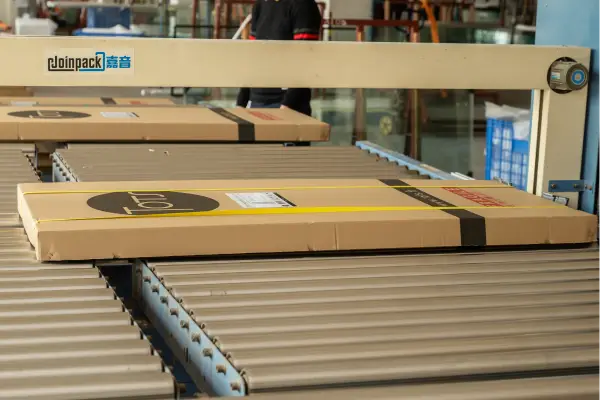
- Packaging spec. Export packaging with honeycomb cartons and reinforced wooden crating costs more than standard cartons and earns it back in breakage reduction. For e-commerce programs, packaging that passes drop testing is not optional — it is what protects your damage and return rate.
- Volume. Larger batches spread setup cost across more units. This is why the sample costs the most per set and a container program the least.
Commercially, KJ Bath’s standard terms are 30% deposit with the 70% balance paid after pre-shipment inspection passes, before shipping. Two more terms worth negotiating into any custom program: certificate copies (SGCC/CE) supplied with the shipment, and a spare parts pack of wear items — rollers and seal strips — included per batch. Both cost the factory little and save you real money after delivery. For a worked example of how MOQ, pricing structure, and container loading interact on a related program, see our guide on wholesale shower door orders, MOQ, and container loading.

Certification and Quality Paperwork
A custom enclosure is only as good as the paperwork behind it, because that paperwork is what gets it through customs, past inspection, and accepted by the building owner. On North American projects the glass should be SGCC-certified, tested to ANSI Z97.1. In Europe the corresponding mark is CE. A factory that supplies hotel projects as standard — KJ Bath has supplied Hilton, Marriott, and Hyatt projects — will attach certificate copies to shipments as a matter of routine.
Quality verification on custom glass runs deeper than certificates. KJ Bath tempers all glass in-house from Xinyi original sheets, 6mm to 12mm, and each order passes five QC gates: tempering verification, impact testing, packaging drop testing, salt spray testing on hardware, and push-pull cycle testing on moving parts. Rollers are rated to 100,000 cycles. Request the quality inspection report with your shipment; it is a standard deliverable, and a factory that hesitates on this point is telling you something. For a deeper treatment of what to verify, read how to import custom shower enclosures from China and our walkthrough of the OEM shower enclosure manufacturing process.
How to Start Your Custom Corner Order
The workflow is compact when both sides do their part:
- Prepare your inputs: bathroom floor plan or CAD drawings, preferred glass thickness, hardware finish, and any certification requirements.
- Send them for the structural pre-check; expect optimization feedback within 24 hours and a DFM review on anything risky to build.
- Approve drawings, sign off the sample at about 15 working days, and confirm packaging and certification terms in the contract.
- Run the first batch at about 30 working days, inspect before the balance payment, and load the repeat-order schedule into your purchasing calendar at 20-25 days.
Ready to Price a Custom Corner Enclosure Program?
Send KJ Bath your drawings, reference photos, or just the bathroom dimensions. You will get a structural review within 24 hours, a clear quote with MOQ and lead time, and certification paperwork that clears customs and inspection. Explore the custom shower door manufacturing program or go straight to the team.
Why Choose KJ Bath
KJ Bath (Foshan Nanhai Kangjian Sanitaryware) has manufactured shower enclosures since 1999. The 15,000 sqm factory runs four workshops — aluminum processing, glass cutting and tempering, assembly, and automated packaging — with 151 staff, a 12-person R&D team, and a monthly output of 1,000 sets. All glass is tempered in-house from 6mm to 12mm using Xinyi original sheets and passes five QC tests before release. Certifications include ISO 9001, ISO 14001, ISO 45001, SGCC, and CE, and the company has supplied Hilton, Marriott, and Hyatt projects. MOQ is 10 sets, samples take about 15 working days, and first production runs about 30, backed by a 5-year enclosure warranty and a 3-year hardware warranty. Learn more about KJ Bath.
Frequently Asked Questions
What is the MOQ for custom corner shower enclosures?
KJ Bath sets MOQ at 10 sets for main models. That is enough to run a proper production batch while staying low enough for an importer to test a market or pilot a project without committing to a full container.
How long does a custom corner enclosure order take?
Plan for about 15 working days for a sample, including special-size glass processing, and about 30 working days for the first production run. Repeat orders shorten to 20-25 working days once molds and material schedules are on file.
What payment terms apply to bulk custom orders?
Standard terms are 30% deposit to start production and 70% balance after pre-shipment inspection passes and before shipping. Certification copies and a spare parts pack of wear items can be negotiated into the shipment terms.
Can I order custom corner enclosures with my own brand?
Yes. OEM programs build to your design and brand, with strict NDA protocols for exclusive designs and custom molds kept on file so repeat orders match the first batch. ODM options let you brand an existing factory design for a faster launch.
What certifications should custom corner enclosures carry?
For North America, look for SGCC-certified glass tested to ANSI Z97.1. For Europe, CE. Request certificate copies that travel with the shipment, along with the quality inspection report covering tempering, impact, drop, salt spray, and cycle tests.