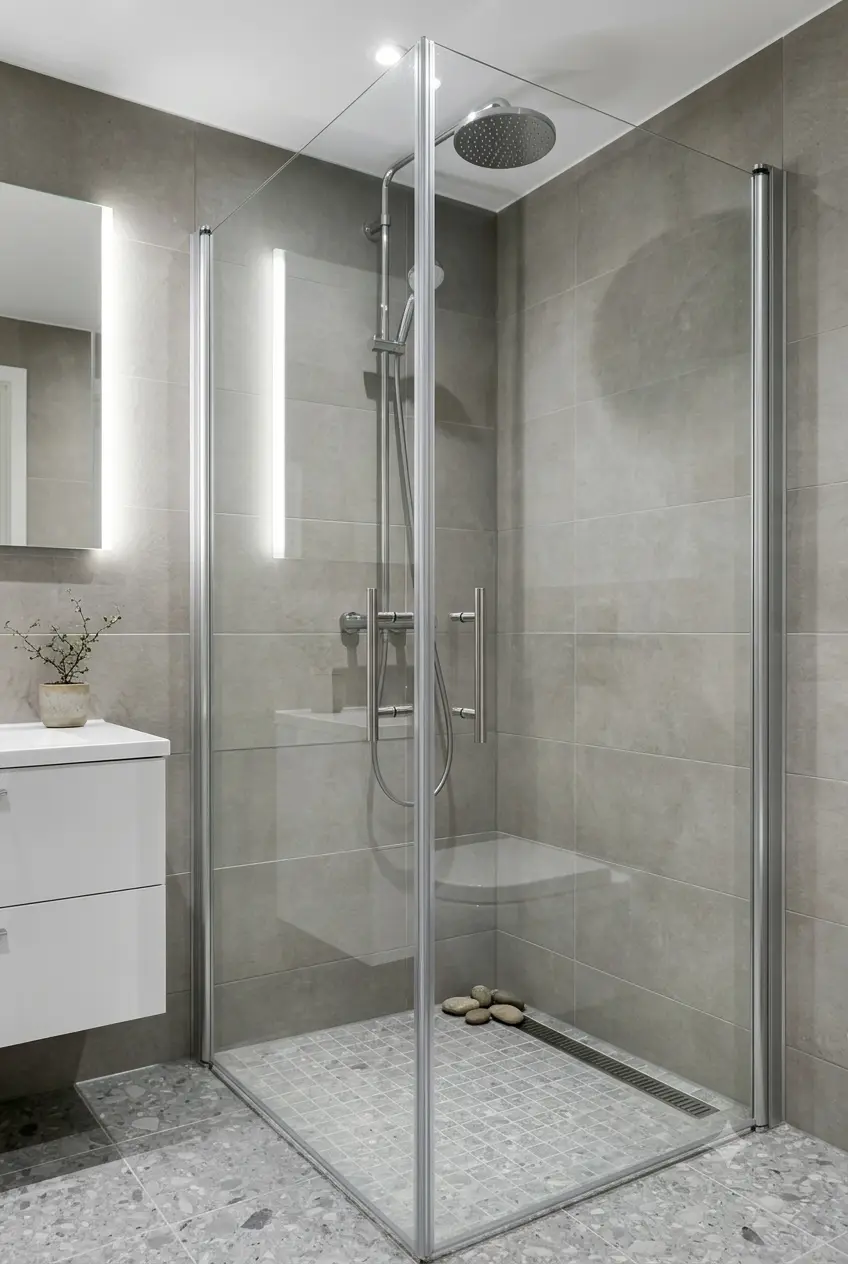
Sliding shower doors are the volume category in wholesale bathroom glass: they fit the compact ensembles that dominate hotel renovations and apartment builds, they ship flat, and their hardware either behaves for a decade or generates service tickets — which makes the difference between a profitable catalog line and a returns problem.
Buying them wholesale, though, is not just ordering more of them. MOQ tiers change what a factory will negotiate, unit price moves with glass, finish and packaging decisions you make before the quote, and the container — not the per-unit price — often decides your real landed cost. This guide walks through how to structure a wholesale sliding door order from first trial to full container, using our own terms as the worked example.
Key Takeaways
- Sliding doors wholesale well because they need no swing clearance and ship as panel-plus-hardware packages; specify them by track system and glass thickness, not by style name.
- A low MOQ (KJ Bath sets 10 sets on main models) is for testing the market; pricing tiers only start to move when you commit to mixed or full containers.
- Unit price is driven by five levers you control: glass thickness, finish process, hardware system, packaging spec, and the paperwork bundle you require.
- Container load is a packing-list exercise, not a guess: per-set packed dimensions and weight decide how many sets fit, and mixing sizes well is where the margin is.
- Packaging that passes drop testing is what protects wholesale margin; damage is the cost line that quietly erases a good unit price.
- Standard terms (30% deposit, balance before shipment) plus test reports at pre-shipment are how both sides de-risk a first container.
Why Sliding Doors Carry Wholesale Volume

Two-panel bypass and single-slide units suit the two markets that buy in volume. Hospitality and multi-family contractors fit them into compact ensembles where a hinged leaf would hit a vanity; e-commerce sellers like them because panels travel as flat packages with the hardware boxed alongside, and the same unit serves tub-alcove and straight-run openings. The demand side of that equation is covered in our guide to sliding doors for compact commercial bathrooms.
For a wholesaler, that commonality is the point: one slider platform, sized and finished differently, covers a large share of the market with far fewer SKUs than a hinged or framed range. Consolidating SKUs is what makes container quantities realistic for a mid-size distributor rather than only for the big-box channel.
MOQ Tiers: What to Negotiate at Each Level
Factories quote MOQ per model, and the number changes the conversation you can have. At KJ Bath the working baseline is 10 sets on main models — deliberately low, so an importer can test a market without warehousing a container first. Here is what each level of commitment actually buys you.
| Order level | What it is for | What you should be negotiating |
|---|---|---|
| Sample set | Verify glass clarity, hardware feel, seal quality, packaging | Turnaround (about 15 working days at KJ Bath), what is refundable, and freight responsibility. |
| MOQ trial (from 10 sets) | Test sell-through in one market or one project | Mixing sizes/finishes inside the 10, spare-parts allowance, and the path to tier pricing. |
| Mixed part-load | Broaden the catalog without committing a container | Combined-shipment handling, per-model packaging, consolidated documents. |
| Full container (20GP or 40HQ) | Best landed cost on proven SKUs | Volume pricing, load plan agreed before production, priority in the 1,000-set monthly schedule. |
The mistake to avoid is negotiating like a container buyer when you are a trial-order buyer: factories remember discounts promised at ten sets and quietly dropped at thirty. Ask instead for the tier structure up front — what the price curve looks like at 10, at part-load, and at FCL — and book the trial order knowing exactly what you are and are not locking.
Five Levers That Move the Bulk Unit Price
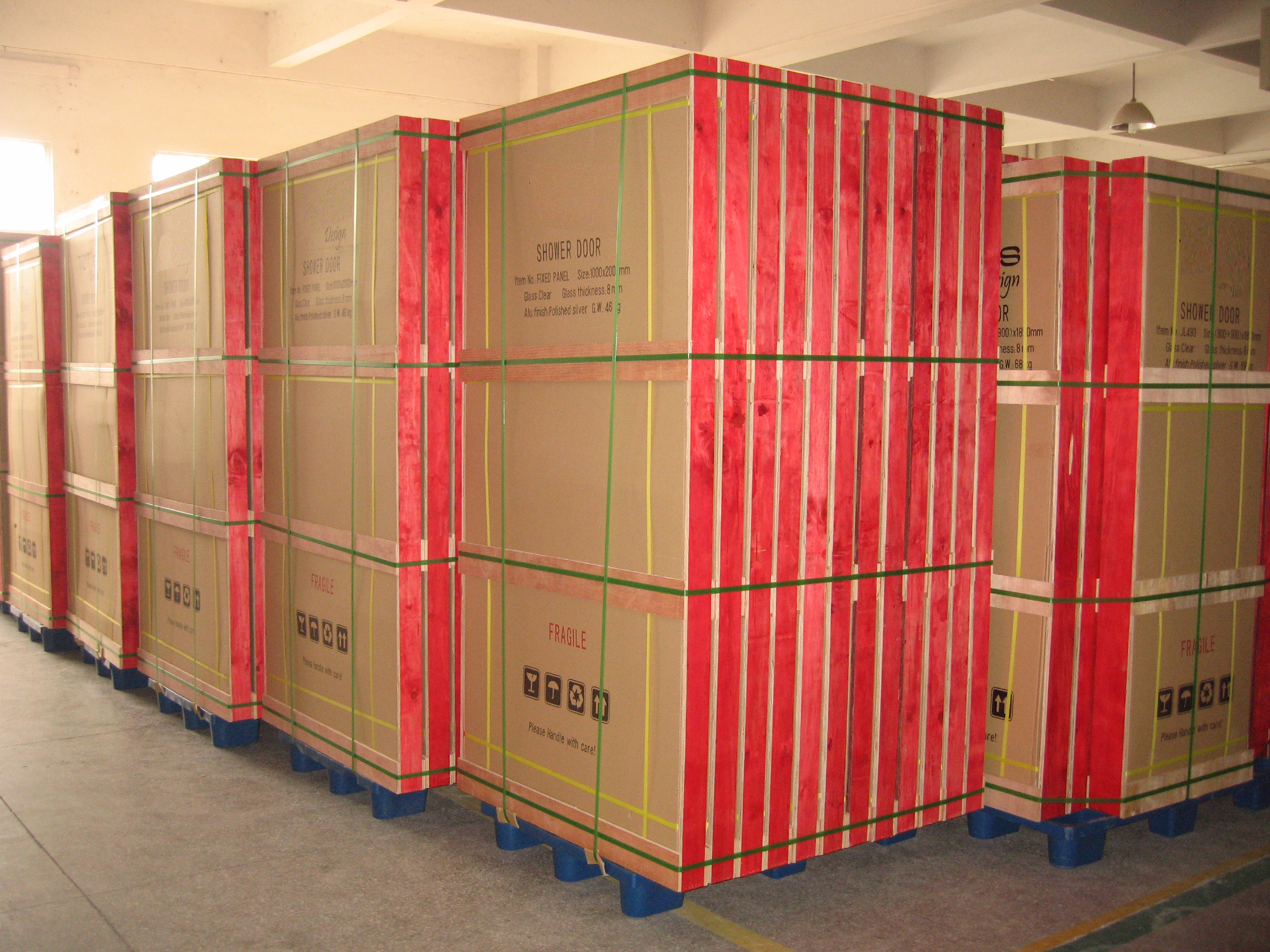
Between two quotations for “the same” slider, the price gap is usually five decisions:
- Glass thickness and grade. Panels run 6-12mm tempered; frameless leaves start at 10mm. Every step up is raw glass, tempering load and weight — and freight follows weight.
- Finish process. Polished chrome and standard plating are the baseline; PVD matte black, brushed gold and gunmetal cost more but hold color in humid, chemically-cleaned bathrooms. For a wholesale catalog, one premium finish line plus one standard line covers most demand.
- Hardware system. Sealed bearings, stainless brackets and adjustable hangers — the roller detail is broken down in our enclosure terminology glossary and the cycle-test logic in our guide to 100,000-cycle roller testing. Cheap hardware shows up later as warranty claims on your side of the contract.
- Packaging spec. Retail-box grade with printed graphics, drop-tested export carton, or carton-plus-crate for project freight. Pay for the level your channel actually needs.
- Documentation bundle. SGCC or CE paperwork, test reports, and per-shipment certificates carry lab and administration cost. Required for North American hotel channels; negotiable where your market does not ask.
How these get built into the product is not a black box: the OEM manufacturing process walkthrough follows an order from drawings to crated goods, and the importer’s angle on sourcing custom enclosures from China — incoterms, inspections, landed-cost math — is covered in importing custom shower enclosures from China.
Container Load: The Packing-List Exercise

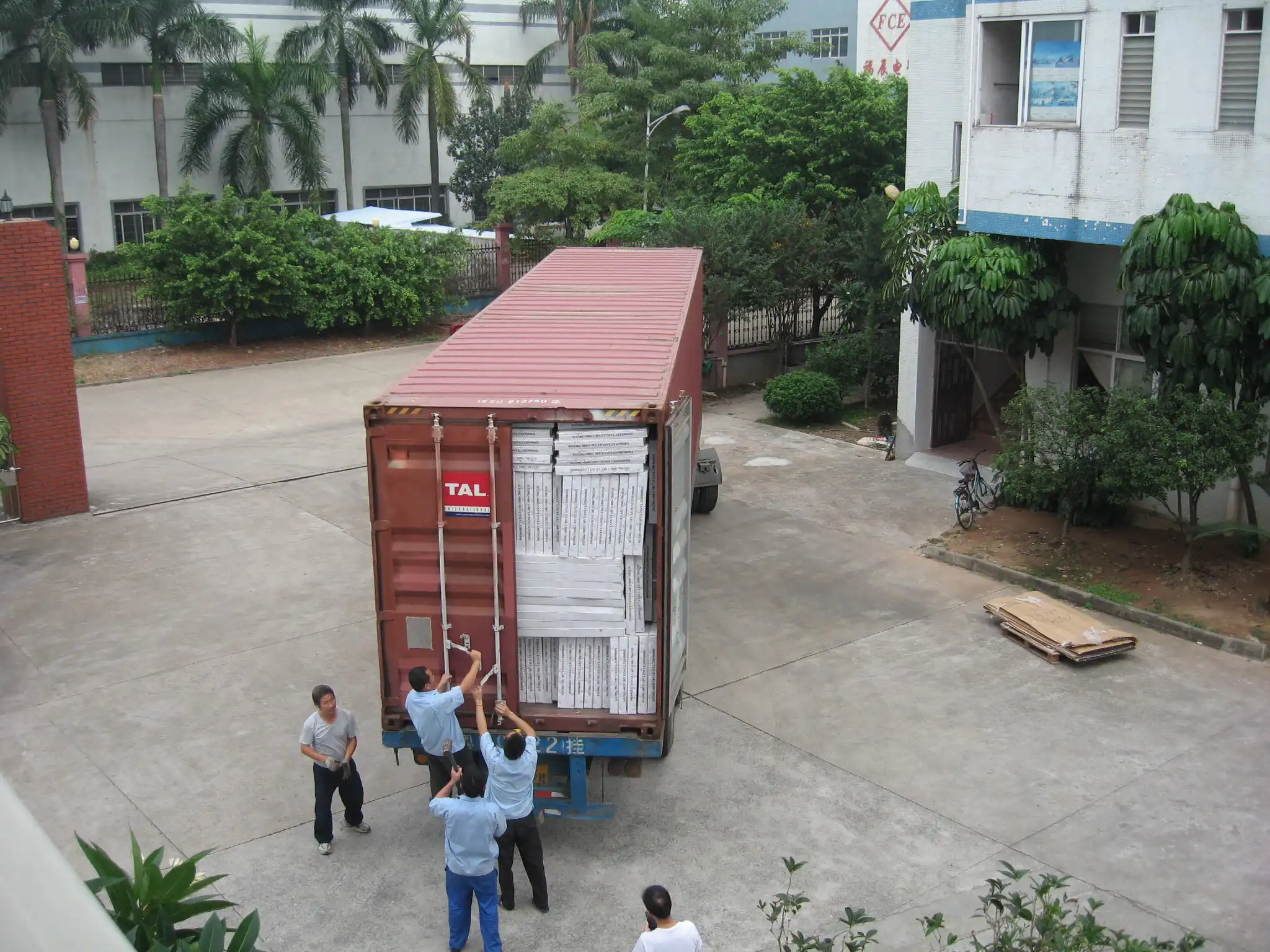
Container economics decide your landed unit cost, and they are set by one document: the per-set packing list. Ask for packed dimensions and gross weight for every SKU before you finalize quantities — a serious factory gives them without hesitation, because the packaging was engineered before the price was quoted.
Then work the arithmetic in this order:
- Start from usable volume, not nominal. A 20ft general-purpose container carries roughly 33 cubic metres and a 40ft high-cube roughly 76 cubic metres of cargo space as a planning figure; real loading loses space to door frames, blocking and the load pattern. Agree the assumed figure with your forwarder and the factory together.
- Check weight before volume. Glass is heavy; panel packages usually hit the payload limit of a smaller container before the cubic metres are full. The binding constraint for a slider FCL is often tonnes, not cubes.
- Mix deliberately. Fast sizes fill the container base; slow premium finishes ride as a smaller top layer of the same load. Decide the mix from sell-through data, not from what the factory finds easiest to produce.
- Lock the load plan before production. Once glass is cut to a loading assumption, changing it means re-packing — at your cost. KJ Bath’s automated packaging line builds to the agreed carton spec, which is why the drop-tested package and the load plan are negotiated together, not sequentially.
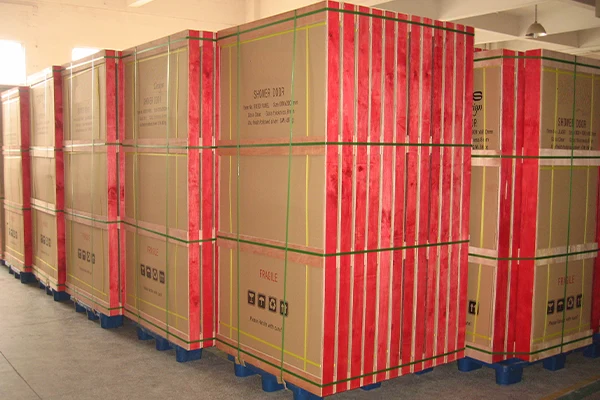
Packaging: The Line Item That Protects the Whole Quote
A wholesale price advantage dies in one bad leg of freight. Glass that arrives chipped is not a defect dispute — it is dead stock, an unhappy warehouse, and a customer you lose quietly. Two questions separate factories on this point:
- Can you see the drop test? KJ Bath runs packaging drop testing as one of the five QC checks on every order and provides the video and report on request for e-commerce-oriented buyers, because the last mile handles parcels far less gently than a container handles crated pallets.
- Does the package match the channel? A container-to-warehouse project load and a parcel-drop e-commerce unit are different engineering problems — honeycomb cartons and corner protection for one, carton-plus-crate rigidity for the other. Specify per channel; do not let one package serve both.
Payment Terms and the Production Schedule
Standard terms on a first wholesale relationship should look like: 30% deposit, 70% after pre-shipment inspection passes, against the documentation bundle you agreed (quality inspection report with tempering, impact and salt spray data; SGCC/CE certificate copies travelling with the goods). On KJ Bath’s side that lands inside a published schedule: about 15 working days for samples, 30 working days for a first production run, and 20-25 on repeat orders once material and packaging are already scheduled — with 1,000 sets of monthly capacity, a proven SKU reorders without fighting the queue.
Two planning notes for distributors. First, quarterly: if you hold catalog stock, place FCL replenishment against the 30-day window plus ocean transit, not the display you saw at the trade fair. Second, protection: if a design is yours, put the NDA and mold-ownership language in the first order documents, not in the renewal conversation — how to vet a factory before any of this is laid out in the factory audit report guide, and the distributor’s angle on supplier selection in evaluating enclosure brands for distribution.
Building a Sliding Door Catalog Order?
KJ Bath quotes wholesale sliding doors with per-set packed dimensions, tier pricing from a 10-set MOQ, and drop-test evidence before you commit a container. Send your target sizes and finishes and we will return a load plan with the numbers.
Why Choose KJ Bath
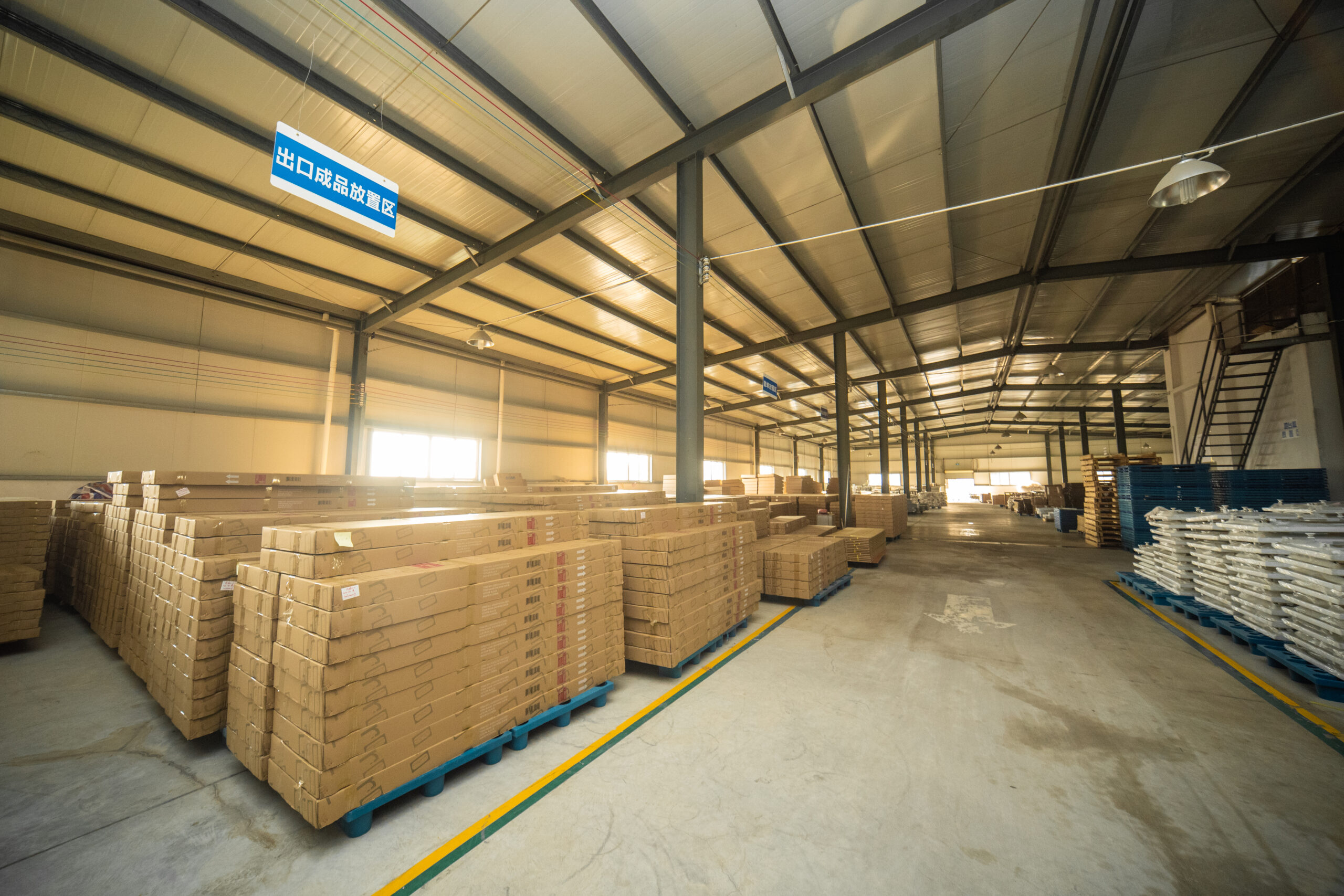
KJ Bath (Foshan Nanhai Kangjian Sanitaryware) has manufactured shower enclosures since 1999. The 15,000 sqm factory runs four dedicated workshops — aluminium processing, glass cutting and tempering, assembly, and automated packaging — with 151 staff, a 12-person R&D team, and monthly output of 1,000 sets. Wholesale sliding programs run from a 10-set MOQ with samples in about 15 working days and first production runs in 30, on 30/70 terms with inspection reports and SGCC/CE certificate copies travelling with every shipment. Glass is tempered in-house from Xinyi original sheets in 6-12mm, hardware is cycle- and salt-spray tested, and the company holds ISO 9001, ISO 14001 and ISO 45001, supplying Hilton, Marriott and Hyatt projects. See the sliding shower door range or more about the factory.
Frequently Asked Questions
What is a realistic MOQ for wholesale sliding shower doors?
It varies by factory; KJ Bath sets 10 sets on its main models, which is enough to test a market without a container commitment. Factories that require 50-100 sets per model are usually protecting their own material buying, not yours. A low first MOQ plus a written tier-price curve is the better commercial deal for a growing distributor.
How many sliding shower doors fit in a container?
Nobody honest answers that without a packing list. Set count depends on panel sizes, glass thickness and packaging grade, and glass loads usually hit container weight limits before they fill the cubic volume. Ask each supplier for per-set packed dimensions and gross weight, model the load, and compare quotes on landed cost per set — not FOB unit price.
What payment terms are normal for a first wholesale order?
Thirty percent deposit with the balance before shipment, released against a pre-shipment inspection you or your agent signs off, is the standard that protects both sides on a first container. Insist the inspection references the agreed report bundle — tempering, impact, drop and salt spray data — so the balance releases on evidence, not on a photo.
Can I mix sizes and finishes in one container order?
Yes, and most distributors should. Mixing is how a trial MOQ becomes a representative catalog sample: fast sizes in standard chrome as the base layer, premium PVD finishes in smaller quantities on top. The only discipline required is agreeing the combined load plan before production, since re-packing after the fact is a change order.
How long does a wholesale sliding door order take?
Plan on about 15 working days for samples and 30 working days for a first production run, shortening to 20-25 days on reorders once materials and packaging are scheduled — then add ocean transit. A factory running 1,000 sets per month with in-house glass tempering and an automated packaging line controls the variables that usually cause the slip; ask which steps a supplier owns before trusting any date.