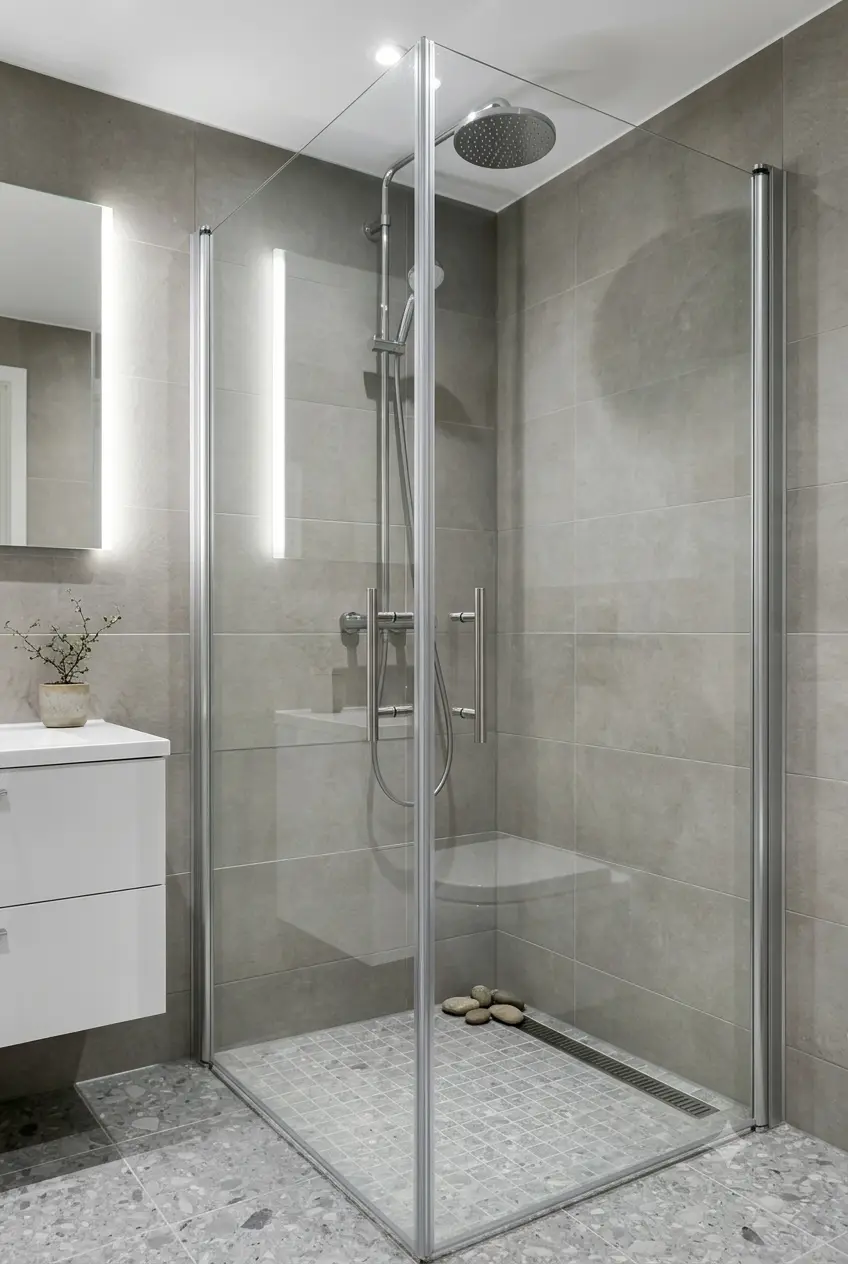
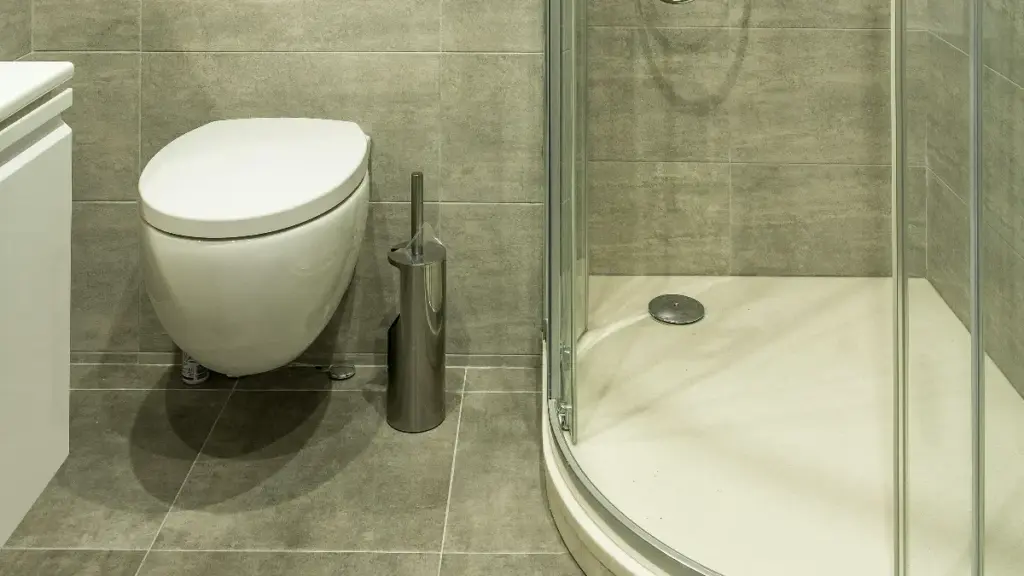
ตำแหน่งมุมเป็นสถานที่ที่พบบ่อยที่สุดในการอาบน้ำในห้องน้ำขนาดกะทัดรัด, และยังเป็นตำแหน่งที่ตู้ขนาดมาตรฐานพอดีที่สุดอีกด้วย. ผนังหมดสี่เหลี่ยม, ท่อระบายน้ำอยู่นอกศูนย์กลาง, และแผงขนาด 900 มม. ที่คุณคิดว่าจะใช้งานได้จะทำให้เกิดช่องว่างที่คุณสามารถมองเห็นแสงกลางวันได้. เมื่อหน่วยแค็ตตาล็อกไม่ทำงาน, คำตอบที่ใช้งานได้จริงคือตู้อาบน้ำเข้ามุมแบบกำหนดเองที่สร้างขึ้นตามแบบของคุณ.
คู่มือนี้จะอธิบายเกี่ยวกับการปรับแต่งตู้เข้ามุมจริงๆ: ตัวเลือกการออกแบบที่คุณสามารถระบุได้, ปริมาณการสั่งซื้อขั้นต่ำทำงานอย่างไร, ระยะเวลารอคอยสินค้าถูกสร้างขึ้นทีละขั้นตอนอย่างไร, และสิ่งที่ผลักดันให้เกิดการกำหนดราคาจำนวนมาก. ทุกสิ่งที่นี่สะท้อนให้เห็นว่า KJ Bath, ผู้ผลิตตู้อาบน้ำในฝอซาน, ประเทศจีนตั้งแต่นั้นเป็นต้นมา 1999, โครงสร้างคำสั่งซื้อมุมที่กำหนดเองสำหรับผู้นำเข้า, ผู้จัดจำหน่าย, และผู้ซื้อโครงการ. เป้าหมายนั้นง่าย: คุณควรอ่านบทความนี้ให้จบเพื่อสรุปโรงงานด้วยความมั่นใจ และอ่านคำพูดแรกด้วยสายตาที่มีวิจารณญาณ.
ประเด็นสำคัญ
- กล่องหุ้มมุมแบบกำหนดเองครอบคลุมห้าด้านในการตัดสินใจ: รูปร่างรอยเท้า, ความหนาและประเภทของกระจก, เสร็จสิ้นฮาร์ดแวร์, การกำหนดค่าประตู, และการรวมถาด.
- KJ Bath กำหนดขั้นต่ำที่ 10 ชุดสำหรับรุ่นหลัก — ต่ำพอที่จะทดสอบตลาดโดยไม่ต้องซื้อคอนเทนเนอร์เต็ม.
- คาดหวังประมาณ 15 วันทำการสำหรับตัวอย่างและ 30 วันทำการสำหรับการดำเนินการผลิตครั้งแรก, ย่อให้สั้นลง 20-25 วันสำหรับการสั่งซื้อซ้ำ.
- ราคาจำนวนมากขยับตามความหนาของกระจก, เสร็จสิ้นฮาร์ดแวร์, ข้อมูลจำเพาะบรรจุภัณฑ์, และปริมาณการสั่งซื้อ — ปักหมุดแต่ละรายการไว้ในใบเสนอราคา, ไม่ใช่แค่ราคาต่อหน่วย.
- เงื่อนไขการชำระเงินมาตรฐานคือ 30% เงินฝากและ 70% ยอดคงเหลือหลังการตรวจสอบก่อนจัดส่ง, พร้อมสำเนาใบรับรอง SGCC/CE ที่มาพร้อมกับสินค้า.
- เงื่อนไขการชำระเงิน, ความเป็นเจ้าของเครื่องมือ, และเอกสารรับรองอยู่ในสัญญาก่อนเริ่มการผลิต, ไม่หลังจากนั้น.
สิ่งที่กำหนดเองหมายถึงอะไรสำหรับตู้เข้ามุม
กำหนดเองไม่ใช่บริการเดียว. มันเป็นสแต็คของทางเลือก, และแต่ละตัวเลือกจะเปลี่ยนราคาและแผนการผลิต. ก่อนที่คุณจะติดต่อกับโรงงาน, การทราบว่าคุณต้องการเลเยอร์ใดในห้าเลเยอร์เหล่านี้จริงๆ และสิ่งใดที่คุณสามารถใช้จากโมเดลมาตรฐาน.
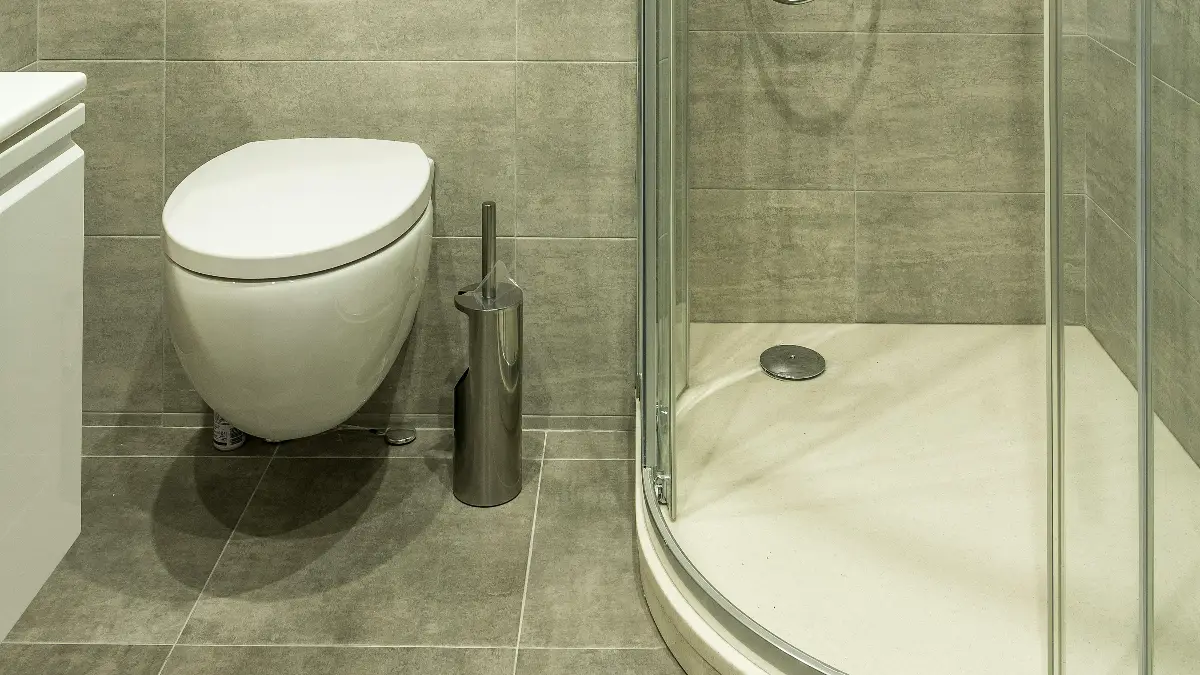
1. รอยเท้าและรูปร่าง
รูปแบบมุมนั้นมีหลายครอบครัว: สี่เหลี่ยม, เพชร (ห้าด้าน), ควอแดรนท์ (ด้านหน้าโค้ง), และนีโอแองเกิล. แต่ละพื้นที่ซื้อขายเทียบกับความกว้างของทางเข้าและห้องยืนภายใน. หากคุณยังไม่ได้จัดทรงให้เรียบร้อย, การเปรียบเทียบของเรา นีโอมุม, เพชร, และกรอบสี่เหลี่ยม แบ่งตรรกะการกำหนดขนาดสำหรับห้องน้ำในอเมริกาเหนือ. งานสั่งทำพิเศษหมายถึงความกว้างและความสูงของแผงเป็นไปตามขนาดห้องน้ำของคุณ, ไม่ใช่ตารางแค็ตตาล็อก.
2. ความหนาและประเภทของกระจก
ตู้เข้ามุมใช้กระจกนิรภัยขนาด 6 มม. ถึง 12 มม. กระจกที่บางกว่าเหมาะกับยูนิตที่มีกรอบซึ่งมีช่องรองรับโครงสร้าง; การออกแบบที่ไร้กรอบจำเป็นต้องใช้ความหนา 10 มม. ขึ้นไป เนื่องจากตัวแผงมีความแข็งแกร่ง. นอกจากความหนาแล้ว คุณสามารถระบุประเภทกระจกได้ — ใส, เคลือบทำความสะอาดง่าย, หรือมีลวดลาย — และขอให้ทำการทดสอบการแช่ด้วยความร้อนบนแผงขนาดใหญ่เพื่อเป็นประกันเพิ่มเติมต่อการแตกหักที่เกิดขึ้นเอง.
3. ฮาร์ดแวร์และการตกแต่ง
บานพับ, ที่จับ, ช่องผนัง, และแถบรองรับเป็นโครเมียมขัดเงา, สีดำด้าน, แปรงทอง, และสีเทาปืน, ท่ามกลางการตกแต่งอื่น ๆ. ในโครงการเชิงพาณิชย์ การตกแต่งควรเป็นมากกว่าการตกแต่งภายนอก: การเคลือบแบบ PVD ทนทานต่อความชื้นและการทำความสะอาดในแต่ละวันได้นานกว่าการชุบด้วยไฟฟ้ามาตรฐานมาก. สอบถามโรงงานว่าการเคลือบแบบใดเป็นแบบ PVD และขอรายงานการทดสอบสเปรย์เกลือสำหรับชุดฮาร์ดแวร์.
4. การกำหนดค่าประตู
ประตูเข้ามุมสามารถแกว่งด้วยเดือยหรือบานพับได้, เลื่อนบนแทร็ก, หรือพับ. ทางเลือกขึ้นอยู่กับพื้นที่ว่างด้านหน้าตู้และข้อกำหนดในการเข้าถึง. ประตูบานเลื่อนและบานพับสองบานช่วยรักษาพื้นที่ในห้องน้ำที่มีพื้นที่จำกัดสำหรับหลายครอบครัว; ประตูเดือยช่วยให้เปิดได้กว้างขึ้นในพื้นที่ที่เอื้ออำนวย. คำแนะนำของเราในการ หมุน, บานพับ, และประตูพับในห้องน้ำเชิงพาณิชย์ขนาดเล็ก เปรียบเทียบตัวเลือกโดยละเอียด.
5. การรวมถาด
ในที่สุด, ตัดสินใจว่าตู้นั้นวางอยู่บนถาดอะคริลิกที่เข้ากันหรือไม่, บนกระเบื้องที่มีขอบถนน, หรือบนฐานระดับชักโครกพร้อมท่อระบายน้ำแบบเส้นตรง. การสั่งซื้อถาดและแก้วพร้อมกันจากโรงงานแห่งเดียวทำให้โปรไฟล์ตรงกัน — ช่องผนังกระจกจัดชิดกับขอบถาดทุกประการ, ซึ่งเป็นหนึ่งในตัวแปรเงียบเบื้องหลังว่าตู้มีการรั่วไหลหรือไม่. รายละเอียดการจัดการน้ำ เช่น ซีลแม่เหล็ก สมควรได้รับความสนใจ; ดู ซีลแม่เหล็กช่วยป้องกันไม่ให้เปลือกเข้ามุมได้อย่างไร.
ตัวเลือกการออกแบบโดยละเอียด
เมื่อคุณรู้ห้าชั้นแล้ว, การสนทนาเรื่องการออกแบบกับโรงงานกลายเป็นรูปธรรม. ตัวเลือกเหล่านี้คือชุดตัวเลือกที่ KJ Bath ใช้งานได้บ่อยกับโครงการหัวมุม.
รูปทรงเข้ามุมและความพอดี

หน่วยมุมสี่เหลี่ยมเป็นวิธีที่ง่ายที่สุดในการสร้างและติดตั้ง, ซึ่งทำให้เป็นรูปแบบที่กำหนดเองที่ถูกที่สุด. รูปทรงเพชรและนีโอแองเกิลตัดมุมที่ยื่นออกมาจากห้อง, ช่วยเพิ่มพื้นที่ทางเดินในห้องน้ำที่คับแคบ, โดยเสียค่าข้อต่อในการปิดผนึกมากขึ้น. หน่วย Quadrant และส่วนโค้งด้านหน้าทำให้ห้องดูนุ่มนวล แต่ต้องใช้กระจกโค้ง, ซึ่งทำให้กลุ่มโรงงานที่สามารถผลิตได้ดีแคบลง. KJ Bath ผลิตตู้รูปทรงเพชรและรูปทรงเซกเตอร์ในรูปแบบตั้งพื้น — รุ่น JL139 และ JK1934 ได้รับการพัฒนาโดยเฉพาะสำหรับห้องน้ำในอพาร์ตเมนต์ขนาดเล็ก — ดังนั้นการสั่งซื้อแบบกำหนดเองในครอบครัวเหล่านั้นจึงเริ่มต้นจากเครื่องมือที่ได้รับการพิสูจน์แล้วแทนที่จะเป็นแผ่นเปล่า.
รูปร่างถาดและตำแหน่งท่อระบายน้ำ
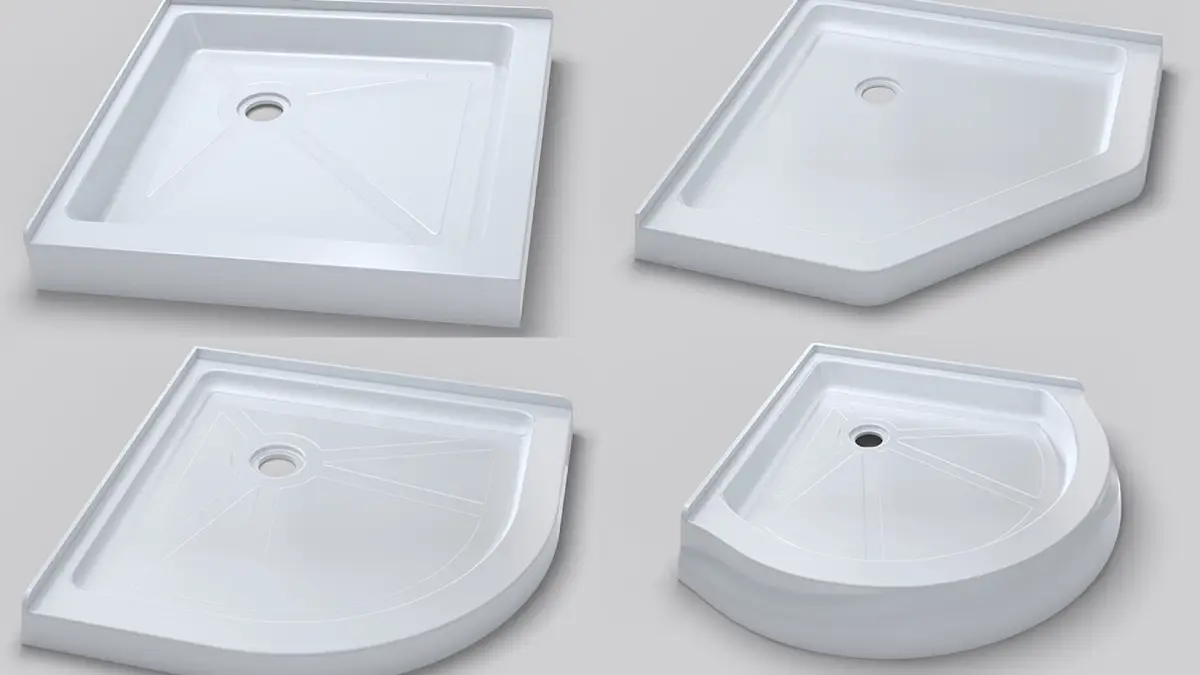
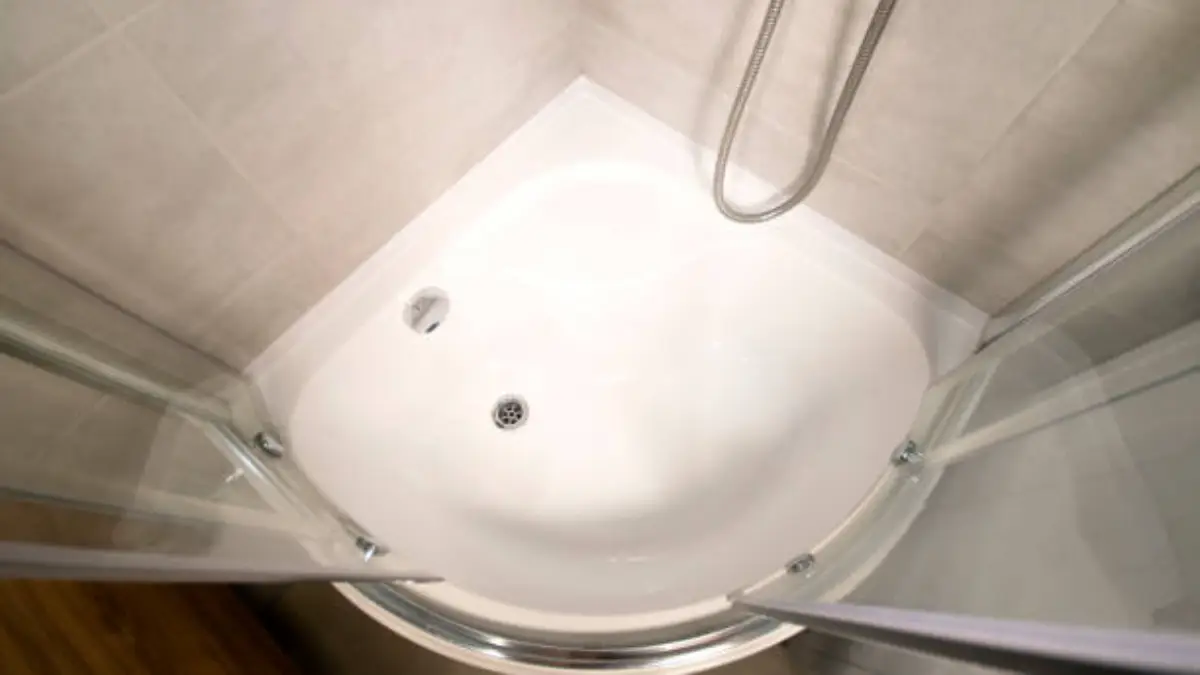
ถาดอะครีลิคจะเป็นทรงสี่เหลี่ยม, มุม, และรอยเท้าครึ่งวงกลมที่มีท่อระบายน้ำตรงกลางหรือออฟเซ็ต. การปรับแต่งตำแหน่งท่อระบายน้ำมีความสำคัญมากที่สุดในโครงการปรับปรุงที่ไม่มีระบบประปาเคลื่อนที่อยู่บนโต๊ะ. ระบุตำแหน่งท่อระบายน้ำบนภาพวาดของคุณด้วยขนาดจากผนัง, และยืนยันว่าโรงงานจะจับคู่ช่องเจาะและมุมตกกับพื้นที่คุณสร้างขึ้น.
ฮาร์ดแวร์เสร็จสิ้นและการเคลือบ
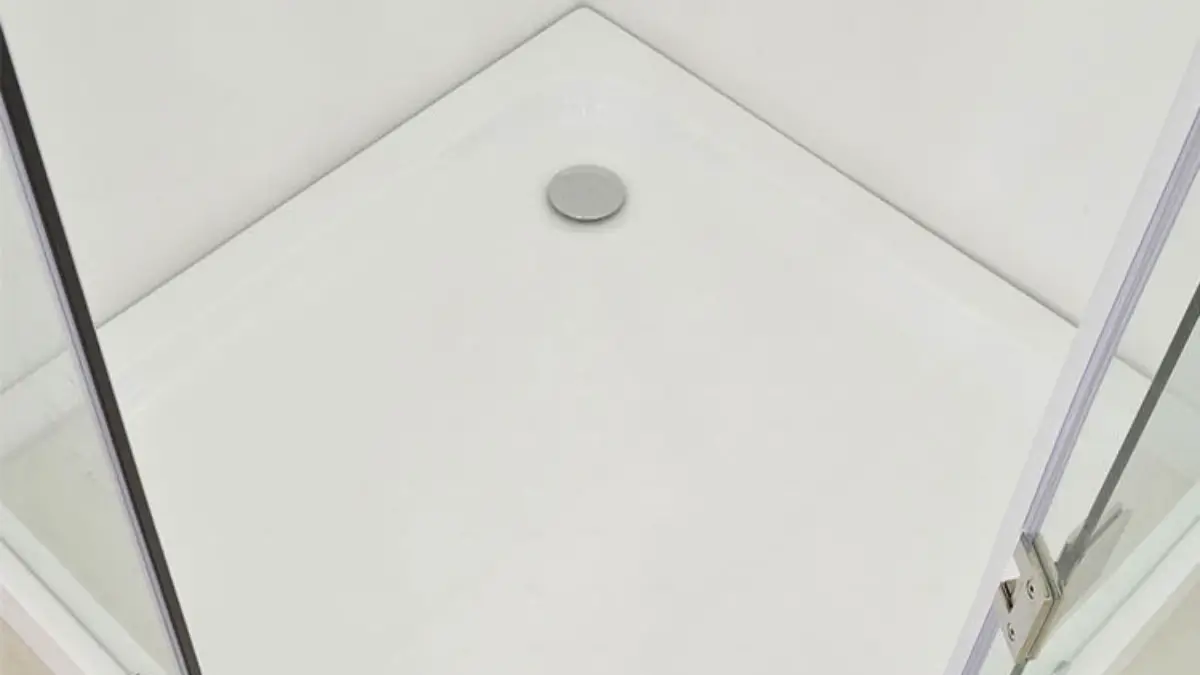
สีดำด้านและสีทองปัดยังคงเป็นสีระดับพรีเมียมที่ได้รับการร้องขอมากที่สุดสำหรับโครงการโรงแรมและที่พักอาศัยสไตล์บูติก, ด้วยโครเมียมขัดเงาเป็นค่าเริ่มต้นสำหรับโปรแกรมที่เน้นคุณค่า. ข้อกำหนดที่สำคัญในเชิงพาณิชย์คือกระบวนการเคลือบ: งานเคลือบ PVD มีราคาสูงกว่าต่อชุด แต่ต้านทานการกัดกร่อนและการเปลี่ยนสีได้นานหลายปีในการทำความสะอาดทุกวัน, ซึ่งช่วยลดการเรียกร้องการรับประกันในด้านการทำธุรกรรมของคุณ.
มาตรฐานเทียบกับ. กำหนดเอง: การเปรียบเทียบเชิงปฏิบัติ
ไม่ใช่ทุกคำสั่งซื้อที่ต้องการการปรับแต่งเต็มรูปแบบ. ตารางนี้เปรียบเทียบทั้งสองเส้นทางอย่างตรงไปตรงมา, เพราะคำตอบที่ถูกต้องนั้นขึ้นอยู่กับโปรแกรมของคุณ, ไม่ใช่การขายต่อยอด.
| มิติ | หน่วยแค็ตตาล็อกมาตรฐาน | ตู้เข้ามุมแบบกำหนดเอง |
|---|---|---|
| ขนาด | ตารางขนาดคงที่ (E.G. 900x900มม) | สร้างขึ้นเพื่อภาพวาดของคุณ, มิติใดๆ |
| ขั้นต่ำ | 10 ชุดสำหรับรุ่นหลัก | 10 ชุดสำหรับรุ่นหลัก; รายการเครื่องมืออาจเพิ่มเงื่อนไข |
| เวลานำตัวอย่าง | เกี่ยวกับ 15 วันทำการ | เกี่ยวกับ 15 วันทำการ, รวมถึงการแปรรูปแก้วขนาดพิเศษ |
| เริ่มดำเนินการผลิตครั้งแรก | เกี่ยวกับ 30 วันทำการ | เกี่ยวกับ 30 วันทำการรวมถึงการกำหนดเวลาวัสดุ |
| ราคาต่อหน่วย | ต่ำสุด — เครื่องมือที่ใช้ร่วมกัน, ปริมาณที่วางแผนไว้ | สูงกว่า — การประมวลผลเฉพาะและชุดงานขนาดเล็ก |
| คุณภาพพอดี | ขึ้นอยู่กับไซต์ที่ตรงกับขนาดมาตรฐาน | ติดตามผนังจริง, ท่อระบายน้ำ, และระดับพื้น |
| เหมาะที่สุดสำหรับ | จำหน่ายสต๊อก, โปรแกรมทดแทน | โครงการ, สายผลิตภัณฑ์ที่มีตราสินค้า, ห้องน้ำไม่สม่ำเสมอ |
ขั้นต่ำ: โครงสร้างคำสั่งซื้อแบบกำหนดเองครั้งแรกเป็นอย่างไร
KJ Bath กำหนดปริมาณการสั่งซื้อขั้นต่ำที่ 10 ชุดสำหรับรุ่นหลัก. รูปนั้นจงใจ: มันสูงพอที่จะพิสูจน์การตั้งค่าการผลิตได้, แต่ต่ำพอที่ผู้นำเข้าสามารถทดสอบตลาดหรือโรงแรมสามารถนำร่องประเภทห้องพักได้โดยไม่ต้องผูกมัดกับตู้คอนเทนเนอร์เต็ม. ในทางปฏิบัติ, คำสั่งซื้อที่กำหนดเองครั้งแรกที่ดีมักจะมีลักษณะเช่นนี้:
- หน่วยตัวอย่างประมาณ 15 วันทำการ, เพื่อให้คุณสามารถตรวจสอบความใสของกระจกได้, เสร็จสิ้นฮาร์ดแวร์, คุณภาพซีล, และบรรจุภัณฑ์ก่อนลงมือทำ.
- ชุดแรกที่ขั้นต่ำของ 10 ชุด, ดำเนินการผ่านการผลิตเพื่อตรวจสอบความพอดีและการติดตั้งในห้องน้ำจริง.
- สั่งซ้ำได้ที่ 20-25 วันทำการเมื่อตารางเครื่องมือและวัสดุถูกล็อค, ด้วยแม่พิมพ์ที่คุณกำหนดเองเก็บไว้ในไฟล์เพื่อความแม่นยำในการทำซ้ำที่สม่ำเสมอ.

สองสิ่งที่ปกป้องคุณในระยะนี้. อันดับแรก, การทบทวนการออกแบบ: ส่งแผนผังชั้นหรือแบบ CAD ของคุณ จากนั้นทีมวิศวกรจะทำการตรวจสอบโครงสร้างล่วงหน้า, ส่งคืนคำแนะนำการเพิ่มประสิทธิภาพภายใน 24 ชั่วโมง. บัตรผ่านการออกแบบเพื่อการผลิตนี้ช่วยแก้ปัญหาบนกระดาษ ซึ่งเป็นช่องที่ไม่สามารถยึดติดกับผนังโค้งได้, ประตูบานสวิงที่ชนกับอุปกรณ์ติดตั้ง — ขณะที่พวกมันยังซ่อมได้ฟรี. ที่สอง, การรักษาความลับ: หากการออกแบบมุมของคุณเป็นเอกสิทธิ์ของแบรนด์ของคุณ, ยืนยัน NDA ก่อนที่ภาพวาดจะย้าย. ก่อตั้งโรงงาน, รวมทั้งเคเจบาธด้วย, ใช้โปรโตคอล NDA ที่เข้มงวดสำหรับการออกแบบโครงการพิเศษ.
เวลานำ, ทีละเวที
ระยะเวลารอคอยสินค้าคือจุดที่ผู้นำเข้าครั้งแรกมักวางแผนผิดพลาดบ่อยที่สุด, เพราะจำนวนที่สำคัญไม่ใช่แค่ปริมาณการผลิตของโรงงานเท่านั้น. ทำงานตามเงื่อนไขมาตรฐานของ KJ Bath:
- การสุ่มตัวอย่าง: เกี่ยวกับ 15 วันทำการ, รวมถึงการแปรรูปแก้วขนาดพิเศษ. กระจกสั่งทำพิเศษไม่สามารถดึงออกจากสต็อกได้; มันถูกตัด, ขอบ, เจาะ, และปรับให้เข้ากับมิติของคุณ.
- เริ่มดำเนินการผลิตครั้งแรก: เกี่ยวกับ 30 วันทำการ จากการสั่งซื้อและเงินฝากที่ยืนยันแล้ว, เนื่องจากมีการวางแผนการจัดกำหนดการวัสดุและช่องสายการผลิตสำหรับชุดงานของคุณ.
- สั่งซ้ำ: 20-25 วันทำการ, ตั้งแต่สเปคกระจก, ชุดฮาร์ดแวร์, และแม่พิมพ์อยู่ในไฟล์แล้ว.
- การขนส่งทางทะเล จากนั้นจะเพิ่มเวลาขนส่งสำหรับเส้นทางและข้อกำหนดของคุณ, ซึ่งผู้ส่งสินค้าของคุณเสนอราคาแยกต่างหากจากโรงงาน.
สิ่งที่นำไปใช้ได้จริง: โปรแกรมมุมที่กำหนดเองตั้งแต่ตัวอย่างแรกไปจนถึงสินค้าที่ท่าเรือสหรัฐฯ เป็นแบบฝึกหัดที่กินเวลาหลายเดือน, และทุกสัปดาห์ที่ล่าช้าในการอนุมัติแบบหรือตัวอย่างจะดันโซ่ทั้งหมดกลับ. อนุมัติแบบร่างภายในไม่กี่วัน, ไม่ใช่สัปดาห์, และให้โรงงานของคุณเขียนวันที่สำคัญ.
การกำหนดราคาเป็นกลุ่ม: สิ่งที่ขับเคลื่อนจำนวน
โรงงานไม่ค่อยเผยแพร่รายการราคาสำหรับงานสั่งทำ, และพูดตามตรงว่าถูกต้อง — หมายเลขถูกสร้างขึ้นตามคำสั่งซื้อ. สิ่งที่คุณสามารถทำได้คือทำความเข้าใจคันโยกเพื่อให้ใบเสนอราคาที่คุณได้รับสามารถเปรียบเทียบได้แทนที่จะทึบแสง. ราคาต่อหน่วยของตู้มุมแบบกำหนดเองจะเคลื่อนไหวเป็นหลักด้วย:
- ความหนาและพื้นที่กระจก. แผงไร้กรอบขนาด 12 มม. มีราคาสูงกว่าแผงที่มีกรอบขนาด 6 มม. อย่างมาก, และตู้สูงเพิ่มพื้นที่กระจกต่อชุด.
- ความซับซ้อนของรูปร่าง. กระจกโค้งและนีโอแองเกิลต้องการขั้นตอนการประมวลผลมากกว่าจอแบน, และส่วนประกอบการปิดผนึกเพิ่มเติมต่อหน่วย.
- ฮาร์ดแวร์เสร็จสิ้น. ฮาร์ดแวร์สีดำด้านหรือสีทองขัดเงาเคลือบ PVD มีความพรีเมียมมากกว่าการชุบโครเมี่ยมมาตรฐาน.
- รวมถาด. การเพิ่มถาดอะคริลิกที่เข้าคู่กันจะเพิ่มต้นทุนต่อชุด แต่จะลบตัวแปรการติดตั้งที่ไซต์งานออก.
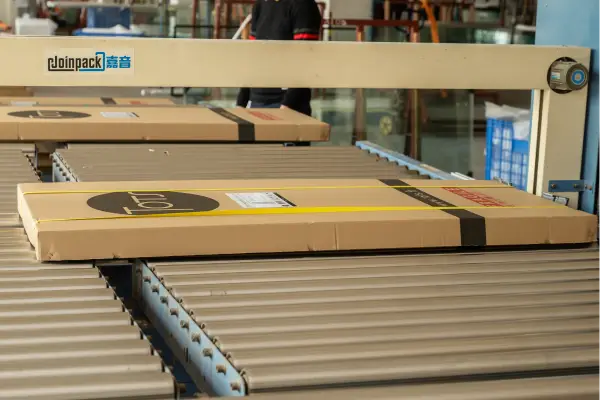
- ข้อมูลจำเพาะของบรรจุภัณฑ์. บรรจุภัณฑ์ส่งออกที่มีกล่องรังผึ้งและลังไม้เสริมมีราคาสูงกว่ากล่องมาตรฐานและได้เงินคืนจากการแตกหัก. สำหรับโปรแกรมอีคอมเมิร์ซ, บรรจุภัณฑ์ที่ผ่านการทดสอบการตกกระแทกไม่ใช่ทางเลือก แต่เป็นสิ่งที่ช่วยปกป้องความเสียหายและอัตราการคืนสินค้าของคุณ.
- ปริมาณ. ชุดงานขนาดใหญ่จะกระจายต้นทุนการตั้งค่าไปยังหน่วยต่างๆ มากขึ้น. นี่คือสาเหตุที่ทำให้ตัวอย่างมีค่าใช้จ่ายต่อชุดมากที่สุดและโปรแกรมคอนเทนเนอร์น้อยที่สุด.
ในเชิงพาณิชย์, เงื่อนไขมาตรฐานของ KJ Bath คือ 30% ฝากไว้กับ 70% ยอดคงเหลือที่ชำระหลังจากผ่านการตรวจสอบก่อนการจัดส่ง, ก่อนจัดส่ง. อีกสองเงื่อนไขที่ควรค่าแก่การเจรจากับโปรแกรมที่กำหนดเอง: สำเนาใบรับรอง (SGCC/CE) มาพร้อมกับการจัดส่ง, และชุดชิ้นส่วนอะไหล่ที่มีการสึกหรอ — ลูกกลิ้งและแถบซีล — รวมไว้ต่อชุด. ทั้งสองทำให้โรงงานเสียค่าใช้จ่ายเพียงเล็กน้อยและช่วยให้คุณประหยัดเงินได้จริงหลังการส่งมอบ. สำหรับตัวอย่างการทำงานของวิธีขั้นต่ำ, โครงสร้างราคา, และการโหลดคอนเทนเนอร์โต้ตอบกับโปรแกรมที่เกี่ยวข้อง, ดูคำแนะนำของเราใน ขายส่งออเดอร์ประตูห้องอาบน้ำ, ขั้นต่ำ, และการโหลดตู้คอนเทนเนอร์.

การรับรองและเอกสารคุณภาพ
กล่องหุ้มแบบกำหนดเองจะดีพอๆ กับเอกสารที่อยู่ด้านหลังเท่านั้น, เพราะเอกสารนั้นคือสิ่งที่ต้องผ่านศุลกากร, การตรวจสอบที่ผ่านมา, และได้รับการยอมรับจากเจ้าของอาคาร. ในโครงการในอเมริกาเหนือ กระจกควรได้รับการรับรองจาก SGCC, ทดสอบกับ ANSI Z97.1. ในยุโรปเครื่องหมายที่เกี่ยวข้องคือ CE. โรงงานที่จัดหาโครงการโรงแรมตามมาตรฐาน — KJ Bath ได้เป็นผู้จัดหาฮิลตัน, แมริออท, และโครงการของ Hyatt — จะแนบสำเนาใบรับรองไปกับการจัดส่งตามปกติ.
การตรวจสอบคุณภาพบนกระจกสั่งทำนั้นดำเนินการได้ลึกกว่าใบรับรอง. KJ Bath ควบคุมอุณหภูมิกระจกทั้งหมดในบ้านจากผ้าปูที่นอนต้นฉบับของ Xinyi, 6มม. ถึง 12 มม, และแต่ละคำสั่งซื้อจะผ่านประตู QC ห้าประตู: การตรวจสอบการแบ่งเบาบรรเทา, การทดสอบแรงกระแทก, การทดสอบการตกของบรรจุภัณฑ์, การทดสอบสเปรย์เกลือบนฮาร์ดแวร์, และการทดสอบวงจรการกดและดึงบนชิ้นส่วนที่เคลื่อนไหว. ลูกกลิ้งได้รับการจัดอันดับให้ 100,000 รอบ. ขอรายงานการตรวจสอบคุณภาพพร้อมกับพัสดุของคุณ; มันเป็นการส่งมอบมาตรฐาน, และโรงงานที่ลังเลในประเด็นนี้กำลังบอกคุณบางอย่าง. เพื่อการรักษาสิ่งที่ต้องตรวจสอบอย่างลึกซึ้งยิ่งขึ้น, อ่าน วิธีนำเข้าตู้อาบน้ำสั่งทำพิเศษจากประเทศจีน และคำแนะนำของเราเกี่ยวกับ กระบวนการผลิตตู้อาบน้ำ OEM.
วิธีเริ่มสั่งมุมที่คุณกำหนดเอง
กระบวนการทำงานมีขนาดกะทัดรัดเมื่อทั้งสองฝ่ายทำหน้าที่ของตน:
- เตรียมข้อมูลของคุณ: แผนผังพื้นห้องน้ำหรือแบบ CAD, ความหนาของกระจกที่ต้องการ, เสร็จสิ้นฮาร์ดแวร์, และข้อกำหนดการรับรองใด ๆ.
- ส่งไปตรวจสอบโครงสร้างเบื้องต้น; คาดหวังผลตอบรับการเพิ่มประสิทธิภาพภายใน 24 ชั่วโมงและการตรวจสอบ DFM เกี่ยวกับทุกสิ่งที่มีความเสี่ยงในการสร้าง.
- อนุมัติภาพวาด, ลงนามปิดตัวอย่างเมื่อประมาณ 15 วันทำการ, และยืนยันเงื่อนไขการบรรจุและการรับรองในสัญญา.
- รันชุดแรกเมื่อเวลาประมาณ 30 วันทำการ, ตรวจสอบก่อนการชำระยอดคงเหลือ, และโหลดตารางการสั่งซื้อซ้ำลงในปฏิทินการซื้อของคุณที่ 20-25 วัน.
พร้อมกำหนดราคาโปรแกรมตู้มุมแบบกำหนดเอง?
ส่งภาพวาดของคุณให้ KJ Bath, ภาพถ่ายอ้างอิง, หรือแค่ขนาดห้องน้ำ. คุณจะได้รับการตรวจสอบโครงสร้างภายใน 24 ชั่วโมง, ใบเสนอราคาที่ชัดเจนพร้อม MOQ และเวลานำ, และเอกสารรับรองที่เคลียร์ศุลกากรและการตรวจสอบ. สำรวจ การผลิตประตูห้องอาบน้ำแบบกำหนดเอง โปรแกรมหรือตรงไปที่ทีม.
เหตุใดจึงเลือกเคเจ บาธ
เคเจ บาธ (เครื่องสุขภัณฑ์ Foshan Nanhai Kangjian) ได้ผลิตตู้อาบน้ำตั้งแต่นั้นเป็นต้นมา 1999. ที่ 15,000 โรงงาน ตร.ม. มีโรงงาน 4 แห่ง — การแปรรูปอลูมิเนียม, การตัดกระจกและการแบ่งเบาบรรเทา, การประกอบ, และบรรจุภัณฑ์อัตโนมัติ — ด้วย 151 พนักงาน, ร.12 คน&ทีมดี, และผลผลิตรายเดือนของ 1,000 ชุด. กระจกทั้งหมดได้รับการกระจกนิรภัยภายในบริษัทตั้งแต่ 6 มม. ถึง 12 มม. โดยใช้แผ่นต้นฉบับของ Xinyi และผ่านการทดสอบ QC ห้าครั้งก่อนวางจำหน่าย. การรับรองรวมถึง ISO 9001, ไอเอสโอ 14001, ไอเอสโอ 45001, เอสจีซีซี, และซีอี, และบริษัทได้จัดหาฮิลตัน, แมริออท, และโครงการไฮแอท. ขั้นต่ำคือ 10 ชุด, ตัวอย่างใช้เวลาประมาณ 15 วันทำการ, และการผลิตครั้งแรกดำเนินไปประมาณ 30, รับประกันตัวเครื่อง 5 ปี และรับประกันฮาร์ดแวร์ 3 ปี. เรียนรู้เพิ่มเติมเกี่ยวกับ เคเจ บาธ.
คำถามที่พบบ่อย
MOQ สำหรับตู้อาบน้ำเข้ามุมแบบกำหนดเองคืออะไร?
KJ Bath กำหนดขั้นต่ำที่ 10 ชุดสำหรับรุ่นหลัก. นั่นก็เพียงพอที่จะดำเนินการชุดการผลิตที่เหมาะสมโดยยังคงรักษาระดับให้ต่ำพอสำหรับผู้นำเข้าเพื่อทดสอบตลาดหรือนำร่องโครงการโดยไม่ต้องดำเนินการกับคอนเทนเนอร์เต็ม.
การสั่งซื้อตู้มุมแบบกำหนดเองใช้เวลานานเท่าใด?
วางแผนไว้ประมาณ. 15 วันทำการสำหรับตัวอย่าง, รวมถึงการแปรรูปแก้วขนาดพิเศษ, และเกี่ยวกับ 30 วันทำการสำหรับการดำเนินการผลิตครั้งแรก. คำสั่งซื้อซ้ำจะสั้นลง 20-25 วันทำการเมื่อมีการบันทึกตารางแม่พิมพ์และวัสดุแล้ว.
เงื่อนไขการชำระเงินใดที่ใช้กับคำสั่งซื้อแบบกำหนดเองจำนวนมาก?
เงื่อนไขมาตรฐานได้แก่ 30% เงินฝากเพื่อเริ่มการผลิตและ 70% ยอดคงเหลือหลังจากผ่านการตรวจสอบก่อนจัดส่งและก่อนจัดส่ง. สามารถเจรจาสำเนาใบรับรองและชุดอะไหล่ของรายการสึกหรอในเงื่อนไขการจัดส่งได้.
ฉันสามารถสั่งซื้อตู้เข้ามุมแบบกำหนดเองที่มีแบรนด์ของตัวเองได้หรือไม่?
ใช่. โปรแกรม OEM สร้างขึ้นตามการออกแบบและแบรนด์ของคุณ, ด้วยโปรโตคอล NDA ที่เข้มงวดสำหรับการออกแบบพิเศษเฉพาะและแม่พิมพ์แบบกำหนดเองที่เก็บไว้ในไฟล์ ดังนั้นคำสั่งซื้อซ้ำจึงตรงกับชุดแรก. ตัวเลือก ODM ช่วยให้คุณสร้างแบรนด์ให้กับการออกแบบโรงงานที่มีอยู่เพื่อการเปิดตัวที่รวดเร็วยิ่งขึ้น.
กล่องหุ้มมุมแบบกำหนดเองควรมีใบรับรองอะไรบ้าง?
สำหรับทวีปอเมริกาเหนือ, มองหากระจกที่ได้รับการรับรอง SGCC ซึ่งผ่านการทดสอบตาม ANSI Z97.1. สำหรับยุโรป, ส.ศ. ขอสำเนาใบรับรองที่เดินทางพร้อมกับพัสดุ, พร้อมด้วยรายงานการตรวจสอบคุณภาพที่ครอบคลุมการแบ่งเบาบรรเทา, ผลกระทบ, หยด, สเปรย์เกลือ, และการทดสอบวงจร.