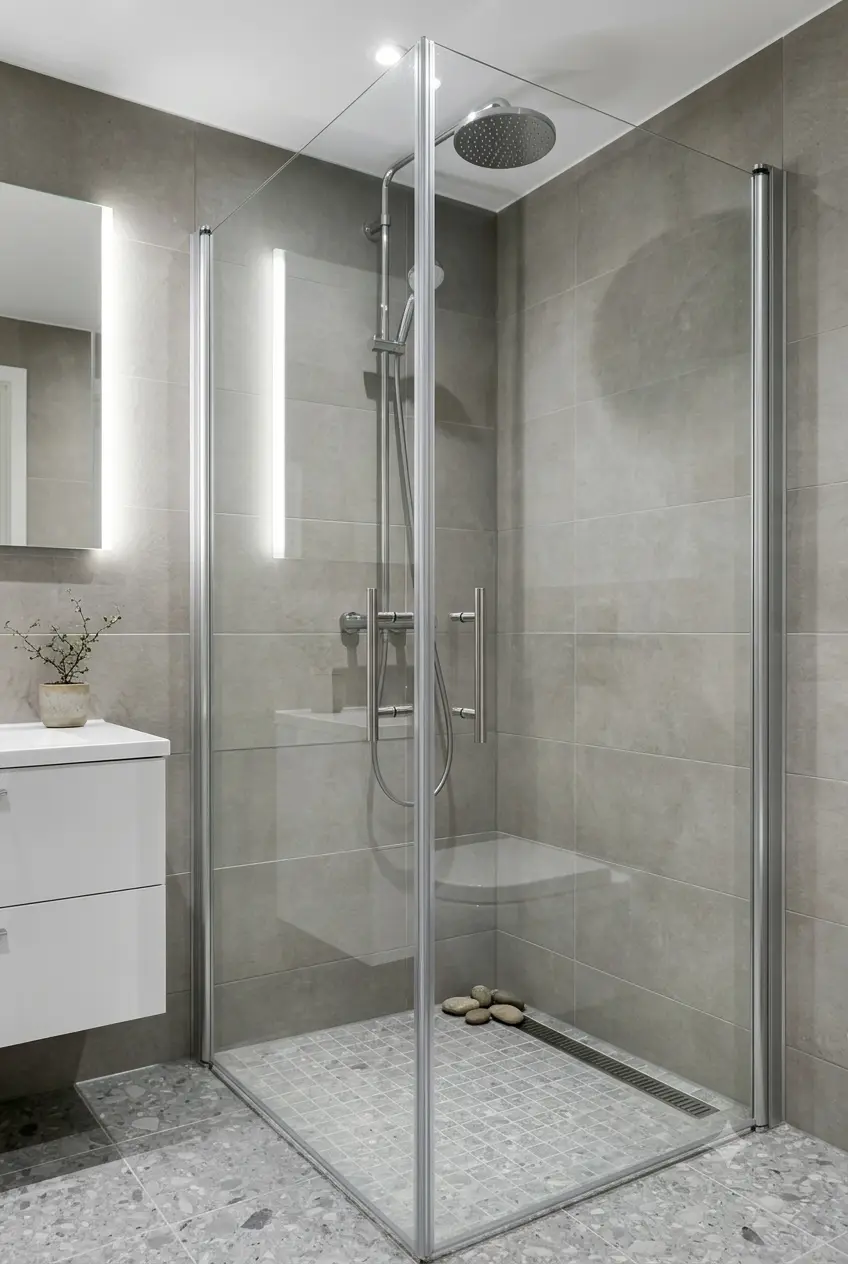

Buying modular shower pods from a Chinese manufacturer is not a single transaction. It is a coordinated project that stretches from the factory floor in Foshan to a hotel corridor in North America or Europe, and it touches sourcing, согласие, груз, таможня, складирование, and installation trades. Importers who treat it as a simple product purchase are usually the ones who end up with containers sitting at port, missing certificates, or pods that cannot be installed because the site was never prepared for them.
This guide walks through the entire import cycle for modular shower pods: what to arrange before you place the order, how the units are packed and shipped, what happens at customs, and how to coordinate receiving, сборка, and handover on site. It reflects the way we run export projects at KJ Bath, including the documentation, упаковка, and support practices we use for hospitality buyers. For product standards themselves, see our companion guides on shower pod specifications and site preparation и pod certifications and building code compliance.
Ключевые выводы
- Confirm certificates (SGCC or CE, plus test reports), packaging specs, and the container loading plan before production starts, not after the goods leave the factory.
- Full container load (FCL) shipping is the standard choice for pod orders; it lowers per-unit freight and removes the damage risk of shared containers.
- Customs clearance hinges on paperwork: товарная накладная, commercial invoice, certificates of origin where applicable, and safety glass documentation that matches the shipped configuration.
- Site coordination should start while the pods are on the water: receiving space, dry storage, plumbing rough-ins, and a room-by-room installation sequence agreed with the GC.
- Work with a manufacturer that ships an installation manual, a spare parts pack, and a quality inspection report with every order, and answers technical questions within 12 часы.
- Standard payment terms for custom pod production are typically 30% deposit with the balance against pre-shipment inspection.
What Importing Modular Shower Pods Actually Involves
A modular shower pod arrives as a kit: base tray, glass panels or wall panels, hardware set, печати, and drainage components, packed to survive a multi-week ocean crossing. Unlike a domestically sourced shower enclosure, an imported pod has to clear three hurdles in sequence: factory QC and documentation, international freight and customs, and finally site readiness. A failure at any hurdle delays everything downstream of it.
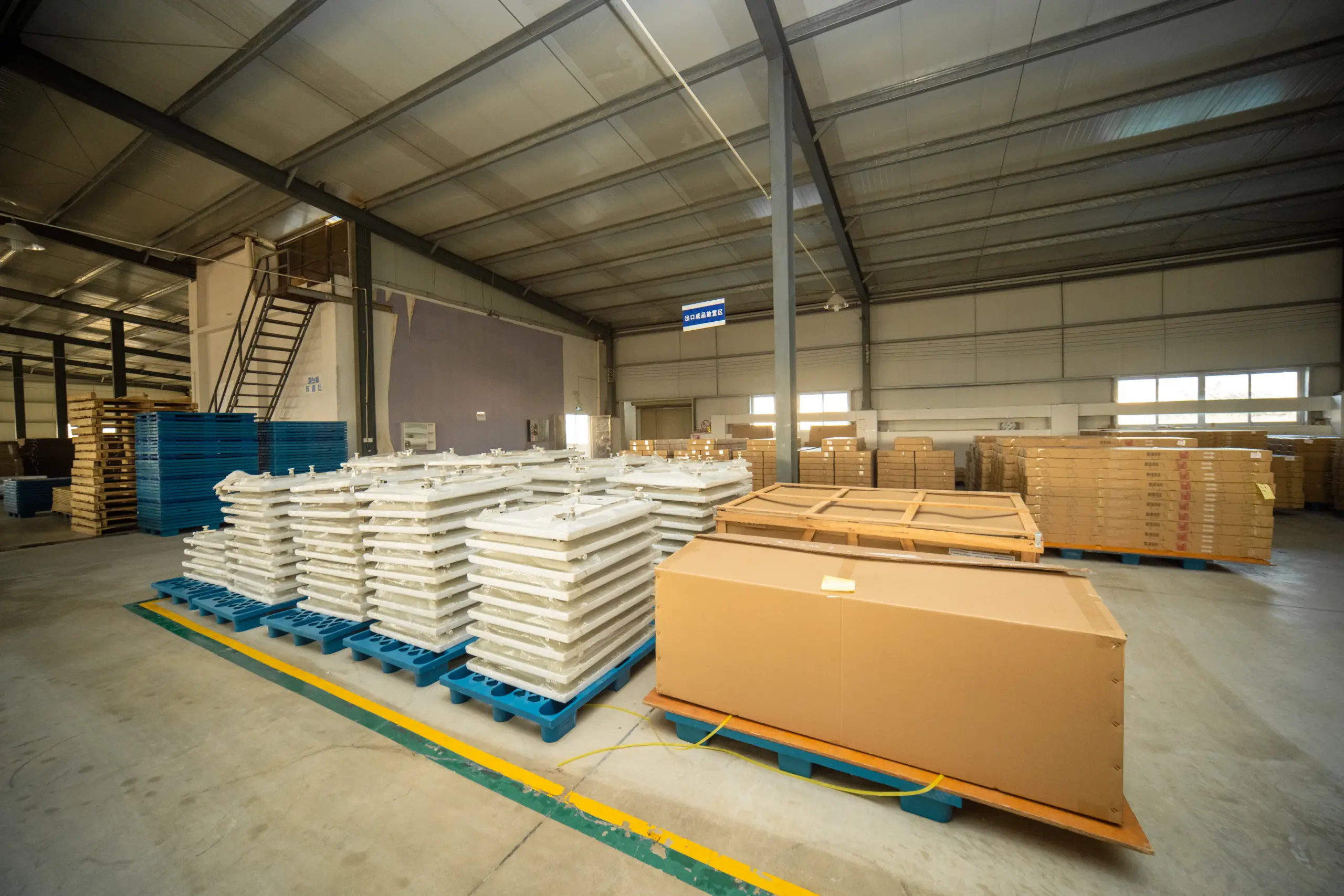
The importers who get this right share one habit: they manage the order as a project with a paper trail. Every agreed item — glass thickness, заканчивать, certification scope, packaging method, loading sequence, delivery schedule — is confirmed in writing before production begins. А general process for importing shower enclosures from China applies to pods as well, but pods add two variables that enclosures do not have: a larger shipped volume per unit, and a plumbing interface that the site must match exactly.
Before You Order: Documents and Specifications That Prevent Delays
Most customs problems and inspection failures are created at the ordering stage, months before the ship arrives. The fix is to require a specific document package up front and to make it a condition of the balance payment.
Certificates and Test Reports
Для североамериканских проектов, safety glass must be SGCC-certified; для ЕС, the equivalent is CE marking under EN 12150 for tempered glass. Ask for certificate copies that accompany the shipment, not PDFs sent by email — inspectors and general contractors want documents that travel with the cargo. Beyond the certificates, request the underlying test reports, because a certificate says a product passed while a report shows what configuration was actually tested. Our earlier guide on SGCC versus CE versus ANSI Z97.1 compliance explains these standards in detail.
Packing List, Shipping Marks, and Loading Plan
Insist on a room- or floor-coded packing list. Когда 100 или 200 pod kits arrive, the difference between a container that unloads in sequence and one that has to be fully broken out is whether cartons are marked by room number, floor, or building phase. The loading plan should also specify how kits are blocked and braced inside the container, and which packages contain glass so that handlers know where extra care is needed.
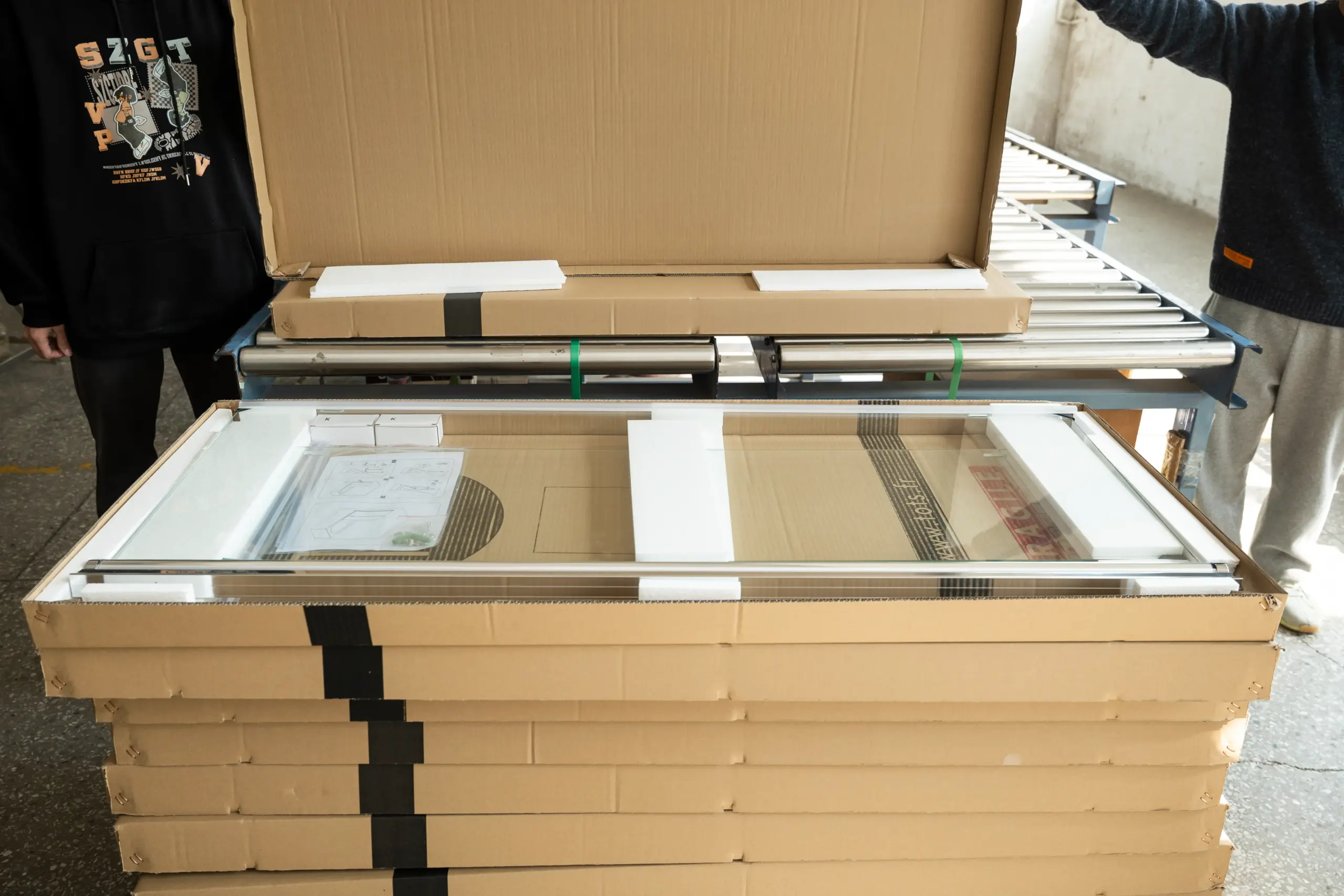
Packaging matters more for pods than for almost any other bathroom product, because the cargo includes tempered glass. The standard we ship with is honeycomb cardboard cartons plus reinforced wooden crates for glass, verified with a packaging drop test before mass production. This combination is what keeps breakage rates low on long routes; if a supplier quotes you a price with unspecified “standard export cartons,” ask specifically what protects the glass.
Shipping Options: FCL, LCL, and How Pods Travel
Pod orders almost always move by sea. Your two practical options are full container load (FCL), where you book an entire container, and less than container load (LCL), where your cargo shares space with other importers’ goods.
| Фактор | FCL (Full Container Load) | LCL (Less than Container Load) |
|---|---|---|
| Best order size | Typical for pod projects; a single hotel floor or building phase usually fills one or more containers | Образцы, trial orders, or topping up a small number of units |
| Per-unit freight | Lower once the container is reasonably full | Выше; charged by volume, and glass crates are voluminous |
| Handling risk | Sealed at the factory, opened at your site | Consolidated and deconsolidated at warehouses along the way; more touches, more risk |
| Schedule control | Direct; easier to align with site readiness | Depends on the consolidator’s schedule |
Transit time from southern China to North American or European ports generally runs a few weeks on the water, plus port handling and inland legs; confirm current schedules with your freight forwarder when you build the project calendar, because routes and congestion change. One structural decision affects freight more than any other: whether you ship one-piece pods or flat-packed assembled kits. Flat-packed kits load far more units per container, which is why most volume projects ship them.

Customs Clearance and Import Duties
Clearance is a paperwork exercise, and the paperwork must be consistent. The commercial invoice, товарная накладная, and certificates should describe the same goods in the same terms. Three practical points recur in pod imports:
- Classify the goods under the correct HS code with your customs broker before shipping. Rates and requirements vary by destination, and shower pods combine glass, алюминий, and acrylic or stone-resin components that can attract different treatment.
- Keep safety glass documentation with the shipment. For US projects this is the SGCC certificate; for the EU it is the Declaration of Performance under the Construction Products Regulation.
- Check whether your trade agreement or destination country requires a certificate of origin, and have the manufacturer prepare it at invoicing time rather than after the vessel departs.
Duty rates change and depend on classification and origin, so treat any figure quoted in an article — including this one — as a reason to verify with your broker rather than a planning number.
Receiving and Warehousing Pods on Site
The week before the container arrives is when good projects separate from difficult ones. Assign a receiving area that is dry, lockable, and large enough to hold at least one container’s contents without double-stacking glass crates. Inspect on arrival: count cartons against the packing list, photograph any visible damage immediately, and note it on the delivery receipt before the driver leaves. Damage documented at receiving is a freight claim; damage discovered three weeks later is your cost.
If the project is phased, keep the containers’ room codes intact as you break them down. Pods install fastest when the kits for the floor being fitted are staged near that floor — carrying glass crates through finished corridors is how avoidable damage happens.
Assembly Sequence and Site Coordination
What Arrives in the Box
A pod kit from our factory includes the enclosure or panel set, base tray, аппаратное обеспечение, печати, and a spare parts pack with replacement rollers and seal strips. Every order ships with an illustrated installation manual written for the specific model and configuration, plus a quality inspection report covering tempering, влияние, соляной туман, and cycle testing. The report is not a courtesy document — engineers of record and GCs increasingly ask for it at substantial completion.
Typical Assembly Sequence
Installation follows a repeatable sequence once the room is ready: verify the plumbing rough-in against the pod’s drain and supply positions, set and level the base tray, connect drainage, then fit the wall panels or glass, and finally hang doors and adjust seals and rollers. The room-by-room rhythm is what makes pod deployment fast — two trained installers can move through units at a pace that site-built tiling cannot match, which is the core argument for pods covered in our comparison of modular pods versus traditional site-built bathrooms.
Coordinating with Trades
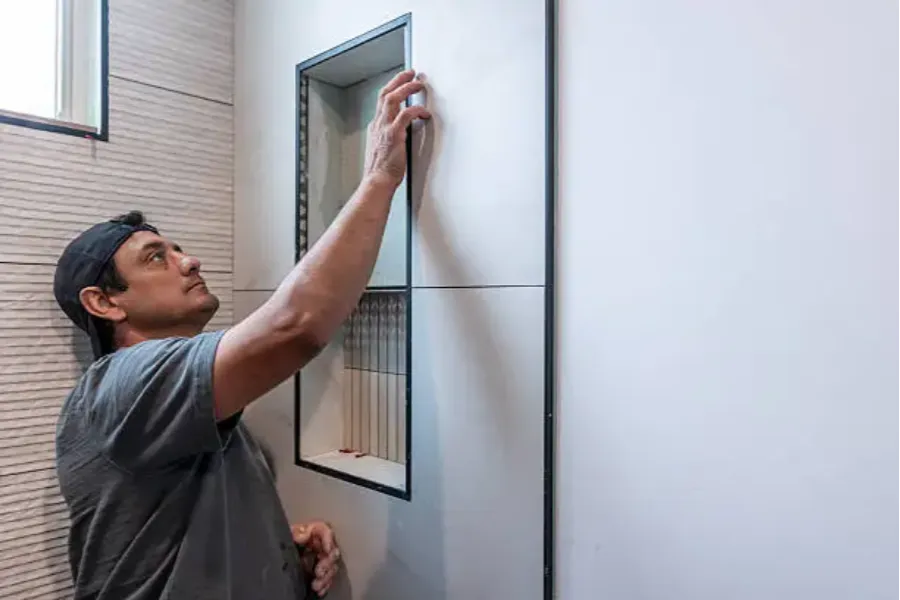
Pods compress the bathroom scope, but they still sit inside a building full of other trades. The coordination points that matter: the plumber must complete and pressure-test rough-ins to the manufacturer’s dimensions before pods land; the electrical team needs clearance for any illuminated mirrors or extract fans adjacent to the pod; and the GC should sequence pod installation after wet-area trades finish and before finishing carpentry. Put the pod manufacturer’s technical contact in the same thread as the site team — a supplier that answers installation questions within 12 часы, as we commit to for international clients, keeps small site questions from becoming schedule delays.
Common Import Pitfalls and How to Avoid Them
- Certificates that do not match the shipped goods. Solve it by approving a golden sample and requiring test reports against that configuration.
- Under-specified packaging. Solve it by naming honeycomb cartons plus reinforced crates for glass, with drop-test evidence.
- Site not ready when containers arrive. Solve it by tying the production schedule to a site-readiness checklist, not the reverse.
- No spare parts strategy. Rollers and seals wear; order the spare parts pack with the goods instead of air-freighting replacements later.
- Single-threaded communication. If only one person on the manufacturer’s side knows your project, responses stall across time zones. We keep a 12-hour response commitment on all international inquiries for exactly this reason.
Planning a Pod Import?
KJ Bath manufactures modular shower pods in Foshan, Китай, with SGCC- and CE-certified glass, drop-tested export packaging, and a documentation package that travels with every container. Send us your project schedule and room count, and we will confirm the production plan, container plan, and delivery dates before you commit. Просмотрите modular shower pod range or contact our export team directly.
Почему стоит выбрать KJ Bath
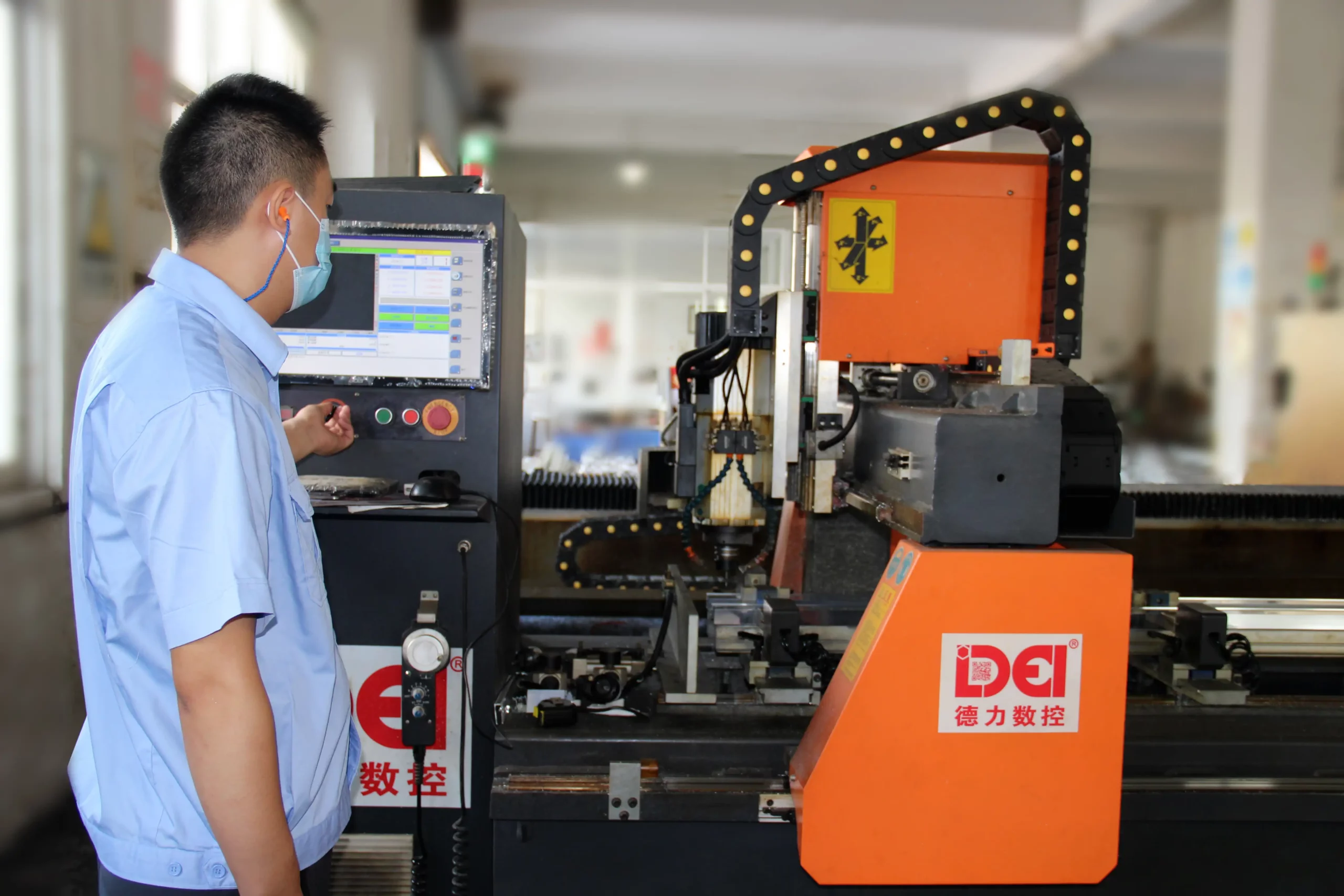
Кей Джей Бат (Фошань Наньхай Канцзян Сантехника) has manufactured shower enclosures and modular pods since 1999. А 15,000 sqm factory runs four dedicated workshops with 151 staff and a 12-person R&команда Д, tempering glass from 6mm to 12mm using Xinyi original sheets. Every order passes five QC tests — tempering verification, влияние, падение упаковки, соляной туман, and push-pull cycle — and ships with inspection reports, копии сертификатов, руководство по установке, и пакет запчастей. Компания имеет сертификат ISO 9001, ИСО 14001, ИСО 45001, СГКК, и CE, а также предоставил Hilton, Марриотт, and Hyatt projects worldwide. минимальный заказ 10 наборы, образцы берут 15 дни, массовое производство 30 дни, на все это предоставляется 5-летняя гарантия на корпус и 3-летняя гарантия на оборудование.. Узнайте больше о KJ Bath.
Часто задаваемые вопросы
What documents do I need to import modular shower pods?
You need a commercial invoice, a detailed packing list, safety glass certification (SGCC для Северной Америки, CE with a Declaration of Performance for the EU), the underlying test reports, a certificate of origin where required, and the installation manual. Requesting the full package before the balance payment avoids most clearance delays.
Should I ship pods by FCL or LCL?
For project volumes, FCL is almost always better: lower per-unit freight, fewer handling touches, and a sealed container from factory to site. LCL makes sense for samples or small trial orders, but shared containers expose glass crates to more consolidation handling along the route.
How are glass panels protected during ocean freight?
The baseline is honeycomb cardboard cartons plus reinforced wooden crates for glass, validated with a packaging drop test before mass production. Cartons are marked so handlers can see which packages contain glass, and the container loading plan specifies blocking and bracing for transit.
What are typical payment terms for pod orders from China?
The standard structure for custom manufacturing is a 30% депозит с 70% balance paid after pre-shipment inspection passes and before the goods leave the factory. Tying the balance to a documented inspection gives you leverage over quality while keeping the manufacturer’s production cash flow workable.
How long does the full import cycle take from order to installation?
Plan around the production schedule first: образцы занимают около 15 working days and mass production about 30 working days for a first order, with repeat orders typically faster. Add ocean transit of a few weeks plus customs and inland delivery, then site installation at a room-by-room pace. Confirm current vessel schedules with your forwarder when building the calendar, since transit times move with the market.