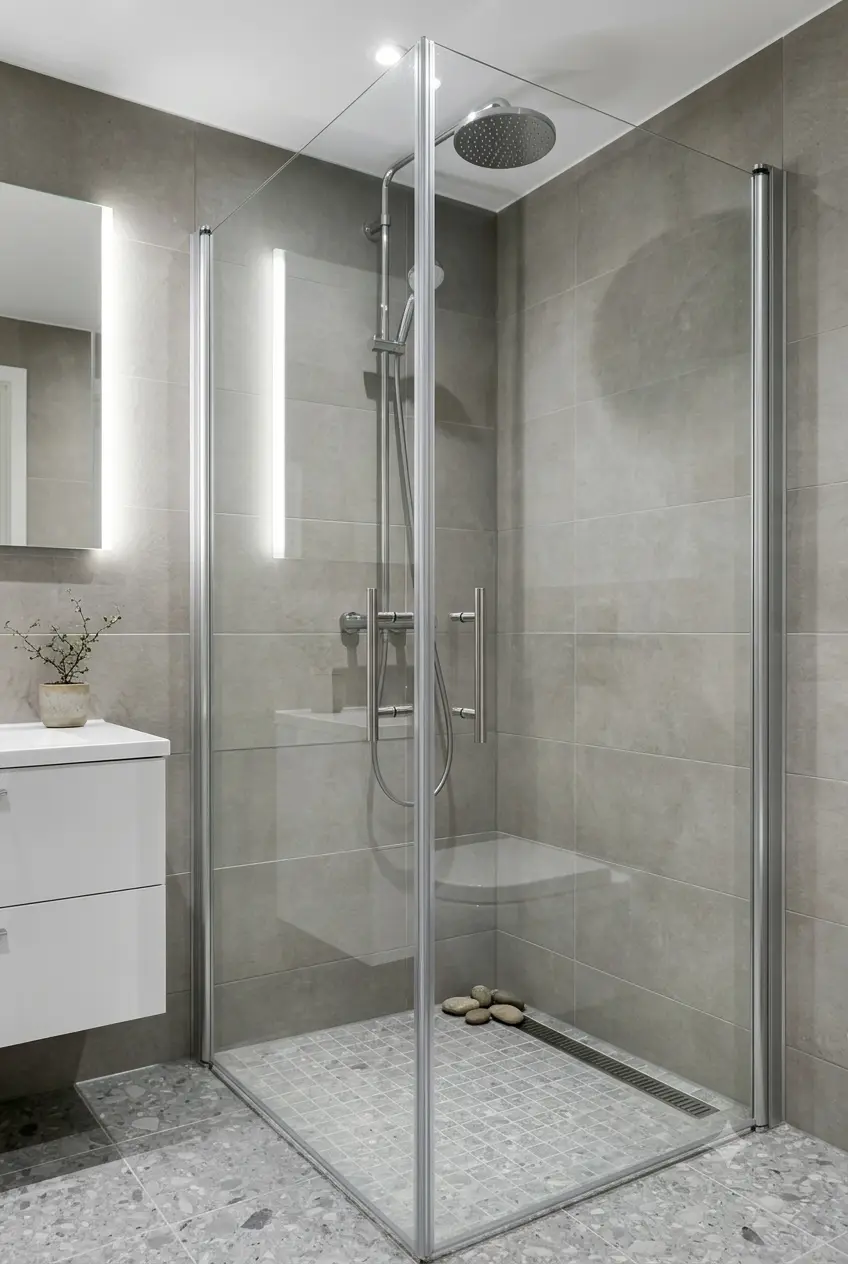

When a developer or GC weighs modular bathroom pods against traditional site-built bathrooms, the comparison almost always starts — and wrongly stops — at the unit price. The sticker on a pod looks like a premium. What it is actually buying is a transfer of risk: the waterproofing, the glazing tempering, the hardware testing, and the dimensional control move off a dusty, schedule-pressured site and onto a factory line that repeats the same build hundreds of times under the same conditions.
Once you frame the decision as total delivered cost and delivered risk rather than purchase price, the picture changes. Site-built bathrooms hide their cost in schedule float, rework, failed inspections, and the maintenance call-backs that surface two years after handover. Pod bathrooms front-load that cost into a factory figure you can see and compare on day one.
This guide compares the two approaches across the three axes that actually decide the question — time, cost, and quality — and is honest about where conventional construction still wins.
Key Takeaways
- Compare total delivered cost and risk, not unit price: pods front-load expense that site-built bathrooms hide in schedule, rework, and maintenance.
- On time, pods run in parallel with site structure and collapse wet-trade sequencing, compressing the fit-out critical path on repeat-room programs.
- On quality, a factory line holds tolerance and runs documented QC on every unit; site craft varies with crew, weather, and schedule pressure.
- On cost predictability, a fixed per-unit factory price beats the open-ended variability of trades, delays, and defect correction.
- Traditional construction still wins on one-off, non-repeating, or custom-designed bathrooms where pod tooling cannot amortize.
The Real Comparison Is Delivered Cost, Not Unit Price
A price comparison that ignores schedule and lifecycle is misleading, and buyers who have run a tower with site-built wet areas know exactly which line items are being hidden. The cost of a traditional bathroom is not just its materials — it is the waterproofing inspection that fails and has to be redone, the tile crew that cannot start until the membrane cures, the leak that shows up in the unit below after occupancy, and the room that cannot be sold while it is torn apart. Those are real, but they land in different budgets and different years, so they rarely appear next to the purchase order.
A pod’s cost is more visible because more of it is captured at the factory. The right way to compare is to price the fully delivered, fully functioning, fully warrantied wet area and its expected maintenance across the ownership horizon — not the ex-works figure alone. If you have not yet internalized what a pod physically contains, our explainer on what a modular shower pod is is the prerequisite for this comparison.
Time: Factory Parallelism vs Site Serial Sequencing
Traditional wet areas are on the critical path because their steps are strictly serial. The waterproofing membrane must cure before the tile bed goes in; the tile must set before the glass and fixtures arrive; each step depends on a different trade showing up in sequence. Stack that dependency across 200 identical bathrooms and the schedule either stretches or overlaps and creates defects.
Pods decouple the bathroom from that sequence. While the structure and other site packages proceed, the wet areas are being produced simultaneously in a factory, moving down a line instead of waiting for the previous trade to finish. When a pod reaches site, its internal fit-out is already complete, inspected, and tested. The site work reduces to positioning the unit, connecting the drainage interface, and fixing it to the walls.
On a repeat-room hotel or dormitory, that parallelism is the headline benefit: earlier lock-up, earlier practical completion, earlier revenue from sellable rooms. The effect compounds with repetition, which is why the same product logic that makes pods attractive for hotels, student housing, and senior living makes them especially strong on dense, identical towers.
Quality: Consistency You Can Audit
Quality in a site-built bathroom is a function of who happened to be on shift that week, what the ambient temperature was during the membrane cure, and whether the schedule let the tile layer do it properly. Quality in a pod is a function of a production line you can audit.
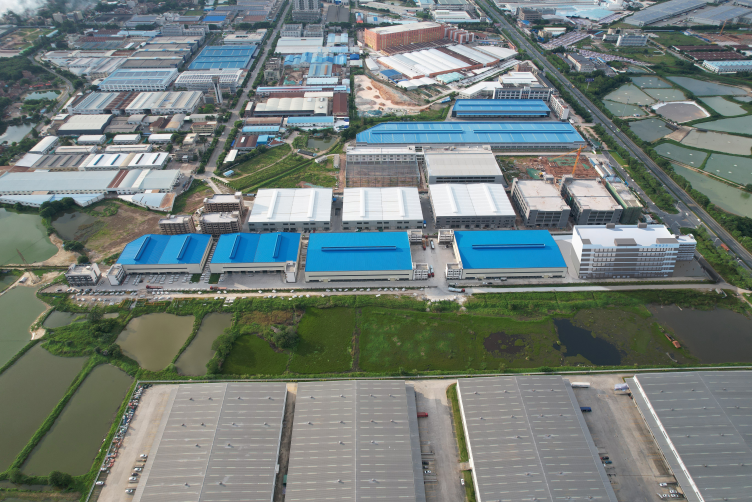
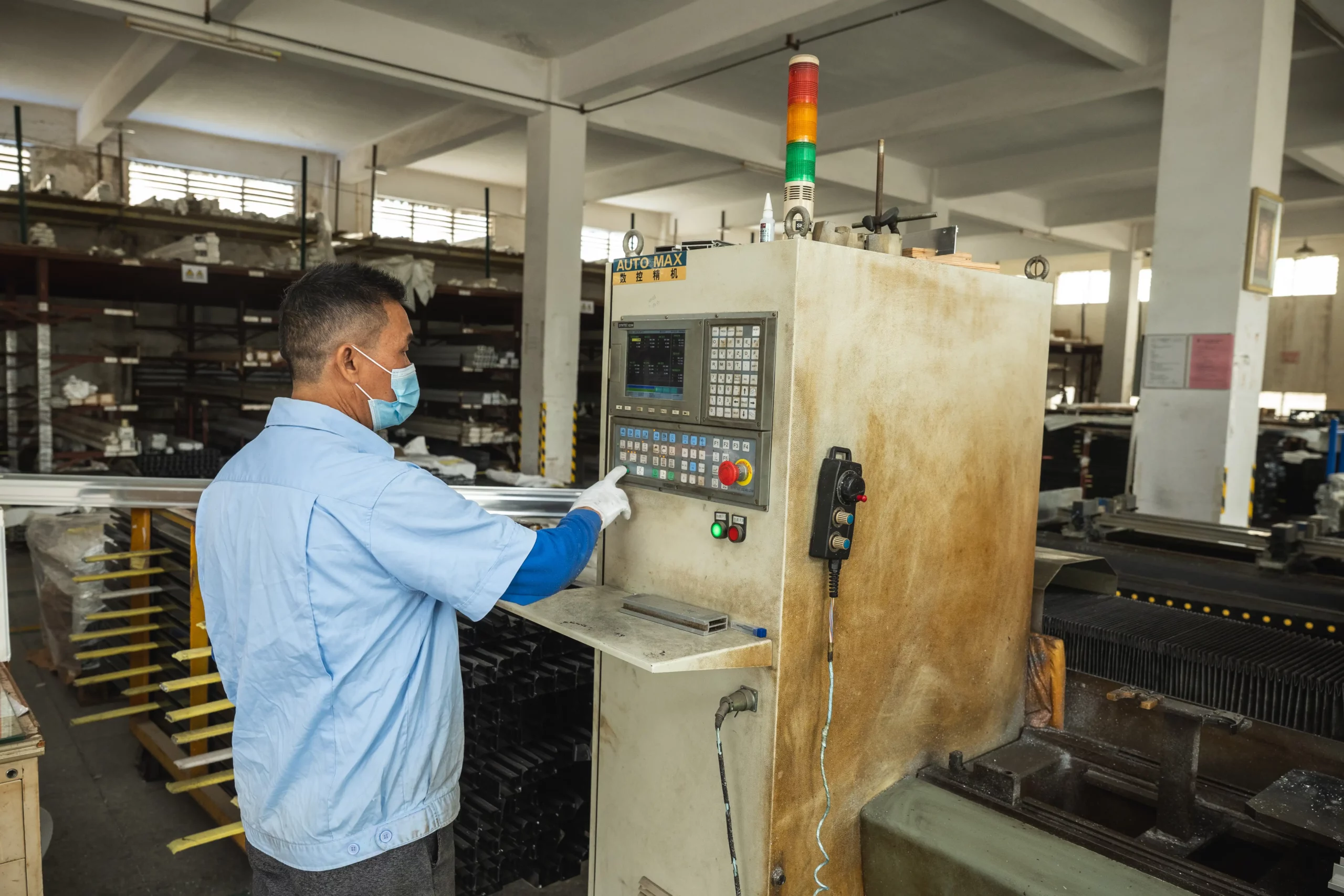
The difference is concrete. A manufacturer running its own aluminum and glass processing holds tolerances across every unit rather than adjusting to a wall that is out of plumb on the fourteenth floor. KJ Bath’s Foshan plant — four dedicated workshops, 151 staff including a 12-person R&D team, around 1,000 sets per month — tempers its own glass from Xinyi original sheets and gates every order through five documented tests: tempering verification, structural impact, packaging drop, hardware salt-spray, and 100,000-cycle push-pull testing.
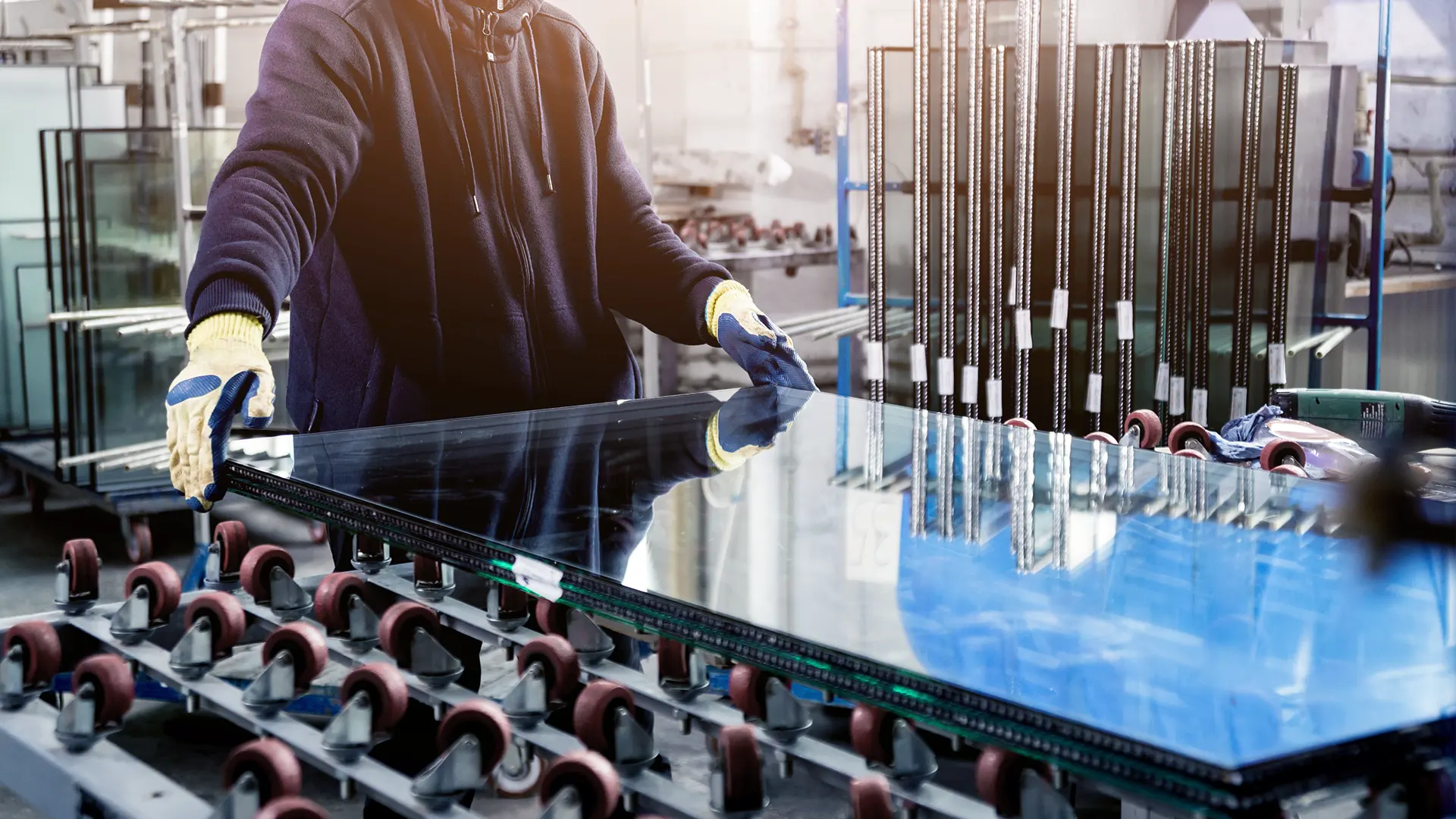
That is the same testing regime we break out method by method in our guide to shower enclosure quality tests. The point in a pods-versus-traditional debate is simpler: on a line, a defect is caught once and corrected for all subsequent units; on a site, the same defect is recreated in every bathroom the same crew builds, and it is usually caught at handover or later.

Pods vs Traditional Site-Built, Axis by Axis
Here is the comparison as a project buyer should read it, with each axis stated plainly:
| Axis | Modular Pod | Traditional Site-Built |
|---|---|---|
| Where the wet work happens | Factory line, off the critical path | On site, sequential wet trades |
| Schedule dependency | Low — position and connect | High — each trade waits on the last |
| Waterproofing | Molded into the base, tested pre-shipment | Applied and cured on site, inspected there |
| Consistency across 200 units | High — same fixtures, same line | Variable — crew and conditions differ |
| Price visibility | Front-loaded, fixed per unit | Distributed across trades and time |
| Design flexibility | Best for repeating layouts | Best for one-off and custom rooms |
| Failure discovery point | On the QC line, before shipping | Often at handover or after occupancy |
Cost: Predictability Beats the Sticker
The financial argument for pods is not usually “cheaper per unit.” It is “fewer surprises per project.” A site-built wet area carries a spread of costs that are hard to see at tender: the schedule float consumed when a membrane fails inspection, the rework when a leak appears in the occupied unit below, the maintenance contract that fixes grout and sealant year after year.
A pod converts several of those open-ended risks into a fixed, tested, warrantied deliverable. When KJ Bath ships an order, it arrives with quality inspection reports, certificate copies for customs and site acceptance, an installation manual, and a spare-parts pack — and it is covered by a 5-year enclosure warranty with 3-year hardware cover. You can price that. You cannot as easily price which crew is on site in month nine and how careful they will be under a deadline.
Where Traditional Construction Still Wins
Pods are not the default answer. They earn their premium through repetition, and their limits are clearest where repetition is absent:
- One-off and individually designed rooms. A signature master bath or a heavily varied layout cannot amortize pod engineering across enough identical units. Here a skilled site crew or a custom enclosure is genuinely the better tool.
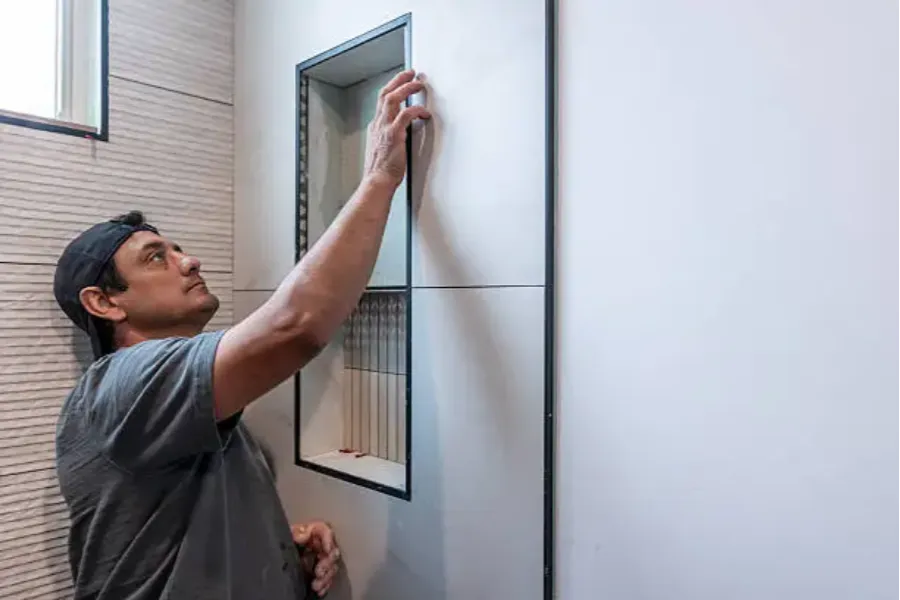
- Constrained access or unusual geometry. Existing buildings with irregular openings, tight lifting routes, or heritage fabric can make a rigid unit harder to place than something built in situ.
- Early-stage design uncertainty. A pod is a commitment made before the building envelope is final. Where layouts will genuinely change, site work keeps more options open.
Logistics and the Delivery Question
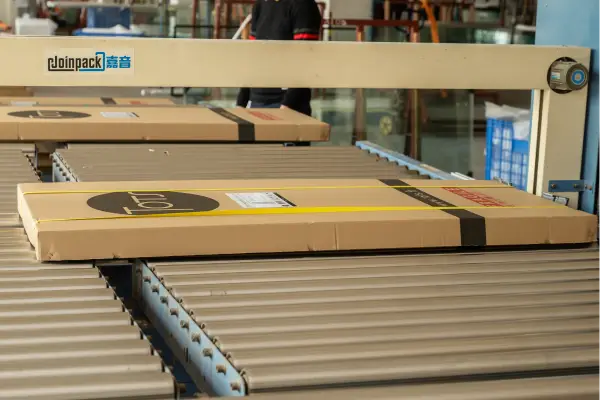
One axis buyers underrate is getting the units to site. Pods travel either as assembled units or as matched kits of modules, and that choice reshapes your logistics plan more than the fixture itself. A one-piece unit means fewer joints but bulkier freight and crane access; a kit means more units per container and simpler handling at the cost of some site assembly. Packaging and drop-tested export crating bridge the gap between a factory-finished product and an intact arrival.

How to Decide for Your Project
Reduce the pods-versus-traditional question to a short test. Pods pull clearly ahead when your program has three or more of these traits:
- A high count of identical or near-identical bathrooms.
- A schedule where earlier room completion translates directly into earlier revenue.
- A tolerance for waterproofing and finish defects that is effectively zero because fixing them means opening an occupied unit.
- A procurement culture that values a fixed, warrantied, auditable price over a lower sticker with hidden variability.
- Access for delivery and positioning, whether for assembled units or flat-packed kits.
Where the program is small, varied, or geometrically irregular, conventional construction remains the rational choice. The commercial pages for the modular shower pod range let you compare configurations once you know which side of that line your project falls on.
Deciding Between Pods and Site-Built Bathrooms?
Send KJ Bath your unit count, typical bathroom layout, and access constraints, and we will give you a straight answer on where pods pay back and where they do not — backed by 25 years of manufacturing, five-stage QC, and hotel-brand project delivery since 1999.
Frequently Asked Questions
Are modular bathroom pods cheaper than site-built bathrooms?
Not necessarily on unit price — a pod often carries a higher sticker figure. The comparison that matters is total delivered cost and risk: pods front-load expense that site-built bathrooms hide in schedule float, waterproofing rework, and maintenance call-backs, so on a repeating program they usually reduce the more expensive uncertainties even when the fixture itself is not cheaper.
How do pods affect construction schedule?
Positively, on repeat-room projects. Because the pods are produced in a factory in parallel with the building structure, the wet area is off the critical path. On site, the sequence collapses to positioning the unit and connecting drainage, instead of waiting for membranes to cure and trades to arrive one after another for every floor.
Is the quality of a pod bathroom better than site-built?
The consistency is higher, and it is auditable. A factory holds dimensional tolerance and runs documented tests on every unit — tempering verification, impact, drop, salt spray, and cycle testing — so a defect is caught and corrected once for the whole production run. Site quality varies with crew, weather, and schedule pressure, and its defects often surface at handover or after occupancy.
When should I still build bathrooms the traditional way?
When the rooms do not repeat, the geometry is irregular, or the design will genuinely change before construction. One-off luxury bathrooms, tight or unusual site access, and early-stage layout uncertainty are all cases where site-built work or a custom enclosure keeps more flexibility and lets cost amortize properly.
Do pods complicate logistics compared to site-built bathrooms?
They add a delivery dimension that site-built bathrooms do not have, but it is a manageable one. Pods ship as assembled units or as flat-packed kits; the format determines how many fit per container and what crane or handling your site must provide. Drop-tested export packaging is what protects the finished units through transit.