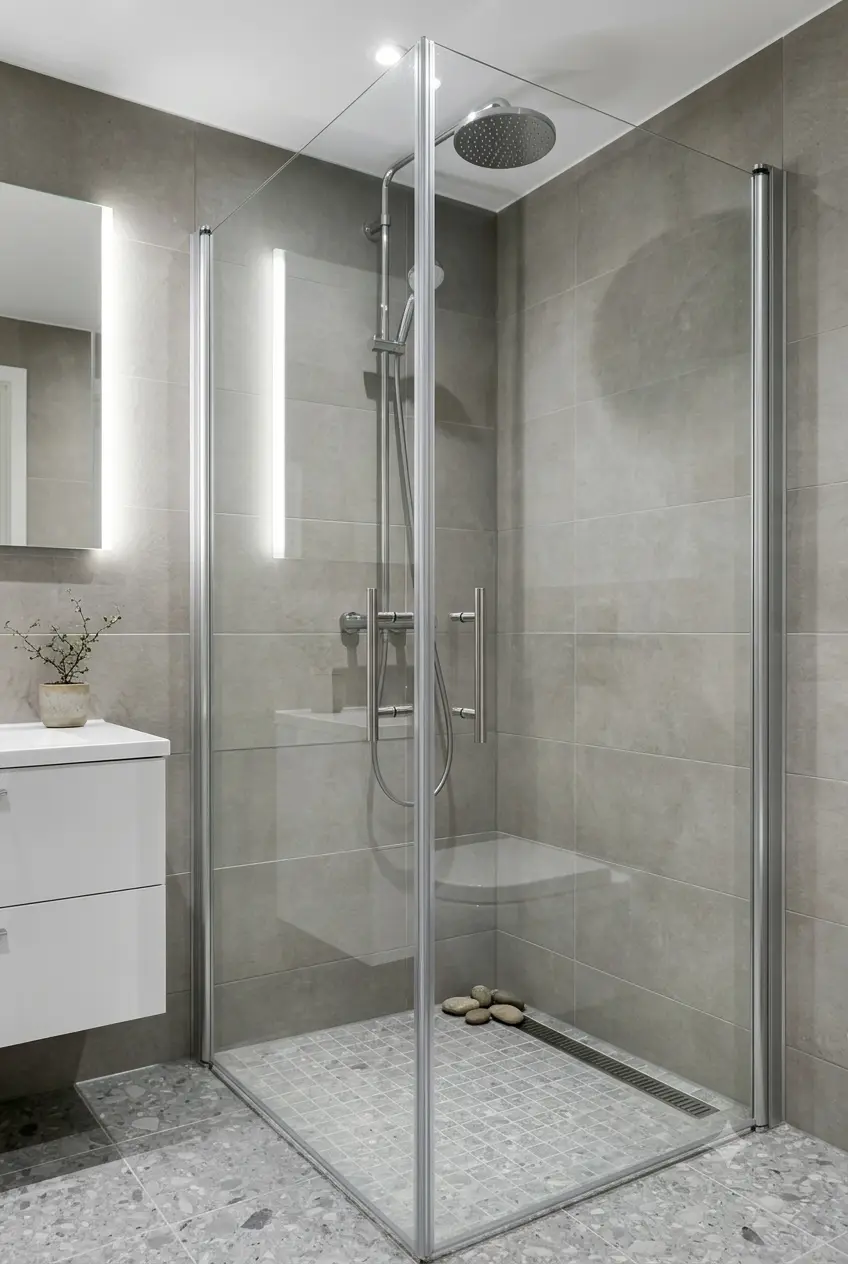
Wenn Sie fünfzig Hotelbäder oder ein Lager mit Inventar verwalten, Eine Garantie für die Duschtür ist kein Papierkram. Es handelt sich um ein Wartungsbudget, ein Gastbeschwerderisiko, und manchmal eine Haftungsfrage. Dennoch unterschreiben die meisten Käufer die Garantieseite des Lieferanten, ohne über die Überschriftennummer hinauszulesen, Entdecken Sie die Ausnahmen, wenn zum ersten Mal eine Walze blockiert oder eine Dichtung auf einem Fliesenboden ausläuft.
Garantie- und Kundendienstbedingungen unterscheiden Hersteller, die erwarten, dass sie ihre Produkte warten, von Händlern, die vorhaben, zu verschwinden, sobald die Lieferung freigegeben ist. Der Unterschied zeigt sich darin, was abgedeckt ist, für wie lange, welche Bedingungen zum Erlöschen des Versicherungsschutzes führen, und wie schnell Ersatzteile eintreffen, wenn im zweiten Jahr etwas ausfällt.
Dieser Leitfaden unterteilt die Garantie- und Kundendienstrichtlinien eines Duschabtrennungslieferanten in die Abschnitte, die Sie tatsächlich lesen sollten: Deckungsumfang, Dauer, Ausschlüsse, Ersatzteilversorgung, Reaktionsverpflichtungen, und die Dokumente, die Versprechen in Vertragsbedingungen umwandeln. Es ist für Importeure geschrieben, Händler, und Projektauftragnehmer, die in kommerziellen Mengen einkaufen.
Wichtige Erkenntnisse
- Die Abdeckung spaltet sich in Glas auf, Hardware, Siegel, und fertig. In einer seriösen Garantie ist jeweils eine Laufzeit angegeben, nicht eine gemischte Zahl.
- KJ Bath, ein chinesischer Hersteller von Duschtüren, gewährt 5 Jahre Garantie auf Duschtüren und 3 Jahre auf Hardwarekomponenten, eine Spaltung, die echte Abnutzungsmuster widerspiegelt.
- Die meisten Ansprüche wegen Installationsfehlern werden abgelehnt, falsche Reinigungschemikalien, oder unerlaubter Teiletausch, Lesen Sie daher die Ausschlüsse, bevor Sie die Preise vergleichen.
- Die Ersatzteilversorgung ist wichtiger als die Garantieüberschrift. Fragen Sie nach, was im Lieferumfang enthalten ist und was auf Anfrage versendet wird.
- Eine 12-Stunden-Reaktionszusage und lebenslanger technischer Online-Support sind überprüfbare Versprechen. Nehmen Sie beides in den Vertrag auf, nicht die Broschüre.
- Zyklus erforderlich, Salzsprühnebel, und Aufpralltestberichte sowie Zertifikate in der Sendung, bevor Sie etwas unterschreiben.
Warum eine Garantie für Duschabtrennungen bei kommerziellen Projekten wichtiger ist
Eine gesprungene Wandverkleidung im heimischen Badezimmer ist eine Unannehmlichkeit. Der gleiche Fehler in zweihundert Hotelzimmern ist ein Wartungsprogramm. Gewerbliche Käufer betreiben Überdachungen mit einer Nutzungsintensität, die mit der von Badezimmern in Privathaushalten nicht mithalten kann: Türen schwingen oder gleiten Dutzende Male am Tag, Reinigungskräfte bearbeiten sie mit handelsüblichen Chemikalien, Und in jedem geschlossenen Raum birgt sich ein kleines Problem, bis ein Gast es meldet.
Deshalb ist die kommerzielle Frage nie “besteht die Garantie” Aber “Wozu verpflichtet es den Lieferanten?, und wie schnell.” Eine Garantie, auf die Sie keinen Anspruch haben, ist Marketing. Die Teilelogistik, die Reaktionsuhr, und der Papierkram, der mit der Ware transportiert wird, entscheidet darüber, ob eine ausgefallene Walze Sie einen Arbeitsauftrag oder eine Woche lang Gästebeschwerden kostet.
Lesen Sie die Garantie eines Lieferanten so, wie ein Versicherer eine Police liest. Zuerst der Deckungsumfang, Ausschlüsse zweitens, Anspruchsprozess drittens, und erst dann die Anzahl der Jahre.
Was eine echte Garantie für eine Duschabtrennung abdecken sollte
Ein Gehäuse besteht aus vier Systemen, die sich unterschiedlich schnell abnutzen. Glas versagt selten von alleine; Hardware trägt die tägliche Last; Dichtungen altern als Verbrauchsmaterial; Oberflächen müssen dem Reinigungsregime unterliegen. Die Garantie sollte diese Aufteilung berücksichtigen. Wenn ein Lieferant eine einzelne Nummer für anbietet “das Produkt,” Fragen Sie, was es für jede Komponente bedeutet.
| Komponente | Was für eine ernsthafte Garantie | Zu erwartende Ausschlüsse |
|---|---|---|
| Gehärtetes Glas | Temperierungsfehler und Verarbeitungsfehler; Panels, die nicht der zertifizierten Spezifikation entsprechen | Aufprallschaden, Kantenspäne durch falsche Werkzeuge, Fehlbedienung vor Ort |
| Hardware: Scharniere, Rollen, Griffe | Strukturelles Versagen, Rollenfresser, Korrosion über die angegebene Zeit bei normalem Gebrauch | Zwangsausrichtung, überlastete Türen, nicht originale Schmierstoffe |
| Dichtungen und Dichtungen | Materialverschlechterung innerhalb des Hardware-Begriffs | Wird als Verbrauchsmaterial behandelt; Schäden durch Lösungsmittel oder Scheuermittel |
| Beenden: PVD, vergoldet, eloxiert | Peeling, Blasenbildung, Verfärbung unter dem angegebenen Reinigungsregime | Schleifpads, saure Reiniger, nicht näher bezeichnete Küstenexposition |
| Spuren, Kanäle, Profile | Verformung und Beschichtungsversagen des Profils selbst | Unsachgemäße Verankerung, Baubewegung, passgenaue Modifikationen |
Verwenden Sie diese Tabelle als Skript für Lieferantenanrufe. Ein Hersteller, der jede Zeile mit Testdaten besprechen kann, unterscheidet sich von einem Hersteller, der jede Zeile mit Testdaten beantwortet “fünf Jahre, Keine Sorge.” Die zweite Antwort ist diejenige, die Sie später kostet.
Garantiedauer: So lesen Sie die Zahlen
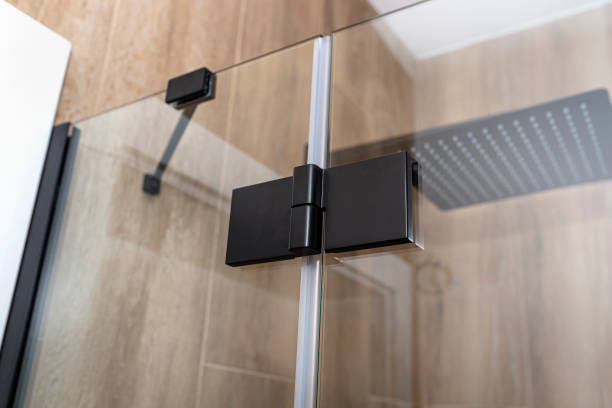
Die Dauer bedeutet nur etwas gegen einen Arbeitszyklus. KJ Bath bewertet seine Walzen mit 100,000 Push-Pull-Zyklen, Diese Zahl entspricht etwa einem Jahrzehnt täglicher Hotelnutzung, bevor die bewegliche Hardware Aufmerksamkeit erfordert, und unterstützt Duschtüren mit einer 5-Jahres-Garantie und Hardware mit 3 Jahre. Die Trennung ist der ehrliche Teil: Bewegliche Teile verschleißen schneller als Glas, Und eine Garantie, die etwas anderes vorgibt, verbirgt den häufigsten Fehler.
Stellen Sie jedem Lieferanten zwei Fragen zur Dauer. Erste, welcher Test die Zahl bestätigt: ein Zyklenprüfstand für Walzen, eine Salzsprühkammer gegen Korrosion, ein Schlagtest für Glas? Zweite, Wann startete die Garantieuhr?: Lieferung, Zollabfertigung, oder Installation? Auf einer 30-tägigen Seefracht nach Nordamerika, Diese Definition verschiebt Ihren tatsächlichen Versicherungsschutz um mehr als einen Monat.
Dauerangaben ohne Prüfberichte sind Adjektive. Die Berichte liegen vor und werden von seriösen Lieferanten abgegeben: Push-Pull-Zykluszählungen aus der Rollenprüfmaschine, Salzsprühstunden aus der Korrosionskammer, Schlagergebnisse aus dem Glastest. Machen Sie die Berichte zur Bedingung der Bestellung, Kein Gefallen nach der Zahlung.
Das Kleingedruckte: Was normalerweise zum Erlöschen des Versicherungsschutzes führt
Ansprüche werden wegen Ausschlüssen deutlich häufiger abgelehnt als wegen Deckungslücken. In fast jeder Garantie gibt es vier Ausschlüsse, und alle vier sind beherrschbar, wenn Sie sie vor dem Installationstag kennen.
Installation außerhalb der Anleitung
Türen im Lot montiert, Kanäle, die in weichen Untergründen verankert sind, oder Platten, die gezwungen werden, Lücken zu schließen, für die sie nicht geschnitten wurden, versagen, und der Fehler wird auf die Installation zurückgeführt. Seriöse Anbieter legen den Projektmodellen genau aus diesem Grund eine ausführliche Montageanleitung bei. Befolgen Sie es und dokumentieren Sie es.
Falsche Reinigungschemie
Saure Entkalker und Scheuerschwämme zerfressen die Beschichtung und greifen das Dichtungspolymer an. In den meisten Finish-Garantien werden zugelassene Reinigungsmethoden genannt. Schulen Sie das Housekeeping- oder Facility-Team darin, denn eine Saison mit der falschen Sprühflasche kann dazu führen, dass der Anspruch auf ein Finish für eine ganze Etage ungültig wird.
Unautorisierter Teileaustausch
Ein Wartungsteam, das eine generische Walze oder eine abgelängte Dichtung aus einem örtlichen Baumarkt eintauscht, hat das Produkt modifiziert. Wenn dieses Teil ausfällt und die Tür mitreißt, die Garantie ist weg. Bestellen Sie stattdessen die richtigen Ersatzteile beim Lieferanten; sie kosten weniger als ein abgelehnter Anspruch.
Lagerschaden am Standort
Platten flach auf unebenem Boden gelagert, Kisten mit Gabelstaplerzinken geöffnet, oder Glas, das während eines nassen Winters ausgepackt bleibt, führt zu Ausfällen, die durch keinen Werkstest erklärt werden können. Der Lieferant hat das Gerät so verpackt, dass es den Transport übersteht, kein Jahr auf einem schlammigen Hof. Weisen Sie im Projektplan die Speicherverantwortung zu.
Die Ersatzteilversorgung ist der wahre Test des After-Sales
Zwischen der Garantie-Schlagzeile und dem ausgefallenen Teil im zweiten Jahr liegt eine logistische Frage: Können Sie einen Ersatzdichtungsstreifen bekommen?, ein Rollensatz, oder ein Scharnier, im richtigen Finish, innerhalb eines Zeitrahmens, den Ihr Einrichtungsteam einplanen kann? Lieferanten, die ihre eigene Hardware herstellen, antworten mit Teilenummern. Händler antworten mit einer weiteren E-Mail.
KJ Bath versendet jede Bestellung mit einem Ersatzteilpaket, das die tragbaren Komponenten enthält, Ersatzrollen und Dichtungsstreifen, sowie eine modellspezifische Installationsanleitung, Das Team vor Ort hat also die erste Verteidigungslinie, bevor ein Anspruch geltend gemacht wird. Diese einzelne Position verrät Ihnen, wie der Lieferant über die Jahre nach der Lieferung denkt.

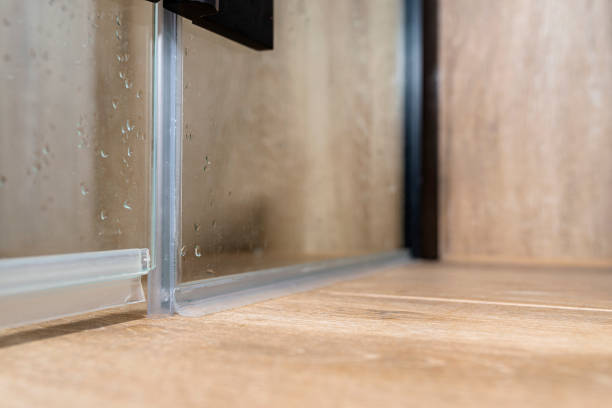
Wenn Sie einen Lieferanten bewerten, Fordern Sie die Ersatzteilliste der Modelle an, die Sie kaufen möchten: welche Teile im Lieferumfang enthalten sind, die als Lagerartikel geführt werden, und wie der Nachbestellungspfad für eine Sendung aussieht, die auf einen anderen Kontinent geht. Das Siegel, das ein paar Dollar kostet, schützt eine Garantie im Wert von Tausenden, und die Antwort des Lieferanten zeigt, ob er das so sieht. Unser Leitfaden zu Duschtürdichtungen behandelt die Komponententypen im Detail.
Reaktionszeit und Supportkanäle
Ein Garantieanspruch ist ein Kommunikationsproblem, bevor es sich um ein Schadensersatzproblem handelt. Die zu prüfenden Verpflichtungen sind die Reaktionsuhr, der Kanal, und die Lebensdauer des Supports. KJ Bath verpflichtet sich, alle internationalen Anfragen innerhalb von 24 Stunden zu beantworten 12 Stunden und Rückstände verkaufter Produkte mit lebenslangem technischen Online-Support, Dies bedeutet, dass das technische Gespräch nach Ablauf der Garantiezeit fortgesetzt wird.

Nehmen Sie die Mechanik in den Vertrag auf: das Antwortfenster in Stunden, der benannte Kontaktkanal, die Sprache, und was passiert, wenn ein Anspruch angenommen wird, einschließlich der Frage, ob Ersatzteile auf Kosten des Lieferanten auf dem Luftweg verschickt werden, wenn der Fehler bei ihm liegt. Nichts davon ist kontrovers. Auf diese Weise wandelt ein professioneller Käufer ein freundliches Versprechen in eine geplante Wartungserwartung um. Die vollständigen Servicebedingungen finden Sie auf unserer Seite Service- und Supportseite.
Wartungspflichten, die den Versicherungsschutz aufrecht erhalten
Jede Garantie bringt Pflichten auf Seiten des Eigentümers mit sich, und in Gewerbegebäuden gehören diese Pflichten zu einem Anlagenplan, nicht auf individuelle gute Absichten. Zwei Gegenstände erledigen die meiste Arbeit: Halten Sie das richtige Reinigungsprogramm ein, und halten Sie die beweglichen Teile sauber.
Schienenrillen sammeln Sand, der die Rollen schleift und die Ausrichtung belastet. Eine geplante Gleisreinigung, Dies geschieht mit einem feuchten Tuch und nicht mit Lösungsmitteln, verlängert die Lebensdauer der Walze und hält den Hardware-Anspruch aufrecht, wenn ein Fehler auftritt. Dichtungen sollten nach demselben Zeitplan überprüft werden, Denn eine verhärtete oder gerissene Dichtung kündigt sich als Wasserproblem auf dem Badezimmerboden an, lange bevor sie in einem Garantiegespräch auftaucht.
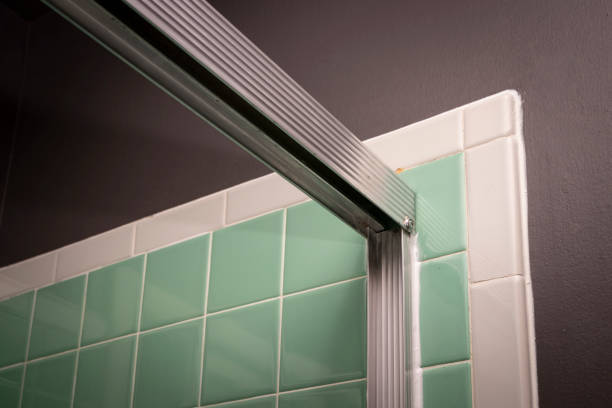
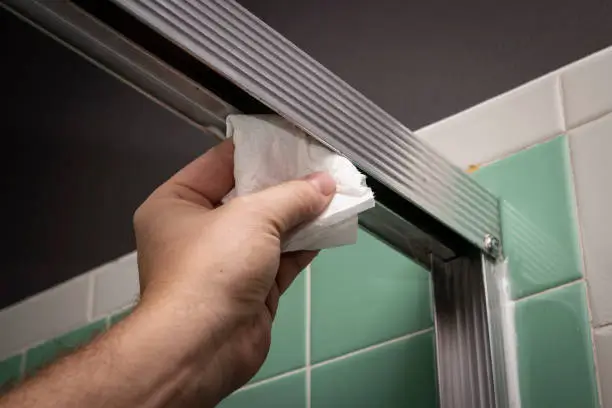

Geben Sie Ihrem Facility-Team einen einseitigen Zeitplan: Vom Lieferanten zugelassene Reinigungsmittel, eine vierteljährliche Gleis- und Plombeninspektion, und eine Regel, dass jedes Ersatzteil aus der Liste des Lieferanten stammt. Diese Seite bewahrt mehr Garantiewert als jede Klauselverhandlung.
So überprüfen Sie Garantieversprechen vor der Unterzeichnung
Bei der Verifizierung handelt es sich um Dokumentenarbeit, und es geschieht vor der Einzahlung, nicht nach einem Misserfolg. Die Checkliste ist kurz.
- Schreiben Sie die Garantiefrist auf, pro Komponente, in den Kaufvertrag ein, einschließlich der Semesteranfangsdefinition.
- Fordern Sie die Testberichte hinter jeder Haltbarkeitsaussage an: Push-Pull-Zyklus zählt, Salzsprühstunden, Glasschlagergebnisse.
- Zertifikatskopien verlangen, SGCC und CE, wo Ihr Markt sie benötigt, mit der Ware zu verschicken, damit Zoll und Inspektion vor Ort nicht auf den Papierkram warten müssen.
- Bestätigen Sie den Inhalt des Ersatzteilpakets und den Nachbestellpfad für die Modelle, die Sie kaufen.
- Vereinbaren Sie den Anspruchsprozess: Antwortfenster, Beweisformat, Fotos und Bestellnummer, und die Abhilfe bei bestätigten Fehlern.
Compliance-Dokumente verdienen die gleiche Strenge. Wenn Ihr Projekt in Nordamerika ist, Die Glasauflistung ist genauso wichtig wie der Hardware-Begriff, und unser Vergleich von SGCC, CE, und ANSI Z97.1 erklärt, welche Zertifikate zur Sendung gehören.
So strukturiert KJ Bath Garantie und Kundendienst
KJ Bath (Foshan Nanhai Kangjian Sanitärartikel) stellt seitdem Duschabtrennungen her 1999. Der 15,000 Die qm-Fabrik betreibt vier Werkstätten, Aluminium, Glasverarbeitung, Montage, und automatisiertes Verpacken, mit 151 Personal, darunter ein 12-Personen-R&D-Team und eine monatliche Leistung von 1,000 Sätze. Jede Bestellung wird mit einem Ersatzteilpaket und einer modellspezifischen Installationsanleitung geliefert. Für Duschtüren gilt eine 5-Jahres-Garantie und Hardwaregarantie 3 Jahre, Unterstützt durch fünf QC-Tests bei jedem Produktionslauf: Überprüfung der Temperierung, Auswirkungen, Verpackungsabfall, Salzsprühnebel, und Push-Pull-Zyklus. Internationale Anfragen werden innerhalb beantwortet 12 Std., und verkaufte Produkte erhalten lebenslangen technischen Online-Support. ISO 9001, ISO 14001, und ISO 45001 stehen neben der SGCC- und CE-Zertifizierung, mit Zertifikatskopien, die der Ware beiliegen. Lesen Sie mehr über das Unternehmen oder sehen Sie sich das Ganze an Duschabtrennung und Türbereich.
Sie benötigen Garantiebedingungen, die Sie einem Projekteigentümer vorlegen können?
KJ Bath unterstützt Importeure, Händler, und Projektauftragnehmer mit schriftlichen Garantiebedingungen, Testberichte, und ein Ersatzteilpaket in jeder Lieferung. Senden Sie uns Ihre Projektliste und wir unterbreiten Ihnen ein Angebot mit den beigefügten Servicebedingungen, nicht hinter ihnen her.
Häufig gestellte Fragen
Was deckt eigentlich eine 5-Jahres-Garantie auf eine Duschabtrennung ab??
Bei KJ Bath deckt es fünf Jahre lang die Duschtür selbst ab, mit Hardwarekomponenten wie Rollen, Scharniere, und Griffe für drei Jahre abgedeckt. Die Aufteilung spiegelt reale Abnutzungsmuster wider, weil bewegliche Teile weitaus härter arbeiten als Glas. Bitten Sie einen Lieferanten immer, den Begriff pro Komponente und nicht nur eine Gesamtzahl anzugeben.
Dadurch erlischt in der Regel die Garantie für die Duschabtrennung?
Vier Ausschlüsse führen zu den meisten Ablehnungen: Installation, die vom Handbuch abweicht, Reinigung mit scheuernden oder säurehaltigen Produkten, Ersatz von Nicht-Originalteilen, und Schäden durch schlechte Lagerung vor Ort. Alle vier sind beherrschbar, wenn das Anlagenteam die Regeln vor dem Installationstag kennt.
Wie schnell sollte ein Lieferant auf eine Garantie- oder Supportanfrage reagieren??
Achten Sie auf ein angegebenes Antwortfenster innerhalb von Stunden und nicht auf eine vage Zusage für schnellen Support. KJ Bath beantwortet alle internationalen Anfragen innerhalb von 12 Stunden und bietet lebenslangen technischen Online-Support für verkaufte Produkte. Integrieren Sie das Antwortfenster und den Kontaktkanal in den Kaufvertrag.
Sind Dichtungen und Rollen abgedeckt?, oder sind es Verbrauchsmaterialien?
Die meisten Lieferanten behandeln Dichtungen als Verbrauchsmaterial und Rollen als Hardware, Aus diesem Grund sind die Teile wichtig, die mit der Bestellung geliefert werden. KJ Bath legt jeder Lieferung ein Ersatzteilpaket mit Ersatzrollen und Dichtungsstreifen bei, So kann das Standortteam den ersten Austausch durchführen, ohne einen Anspruch geltend machen zu müssen.
Welche Unterlagen sollten bei der Bestellung einer gewerblichen Duschabtrennung dabei sein??
Ein Qualitätsprüfbericht mit Temperierung, Auswirkungen, Salzsprühnebel, und Zyklustestdaten; Kopien von SGCC- und CE-Zertifikaten, wo der Markt sie verlangt; eine modellspezifische Installationsanleitung; und das Ersatzteilpaket. Mit der Sendung transportierte Zertifikatskopien halten die Zollabfertigung und Inspektion vor Ort in Bewegung.