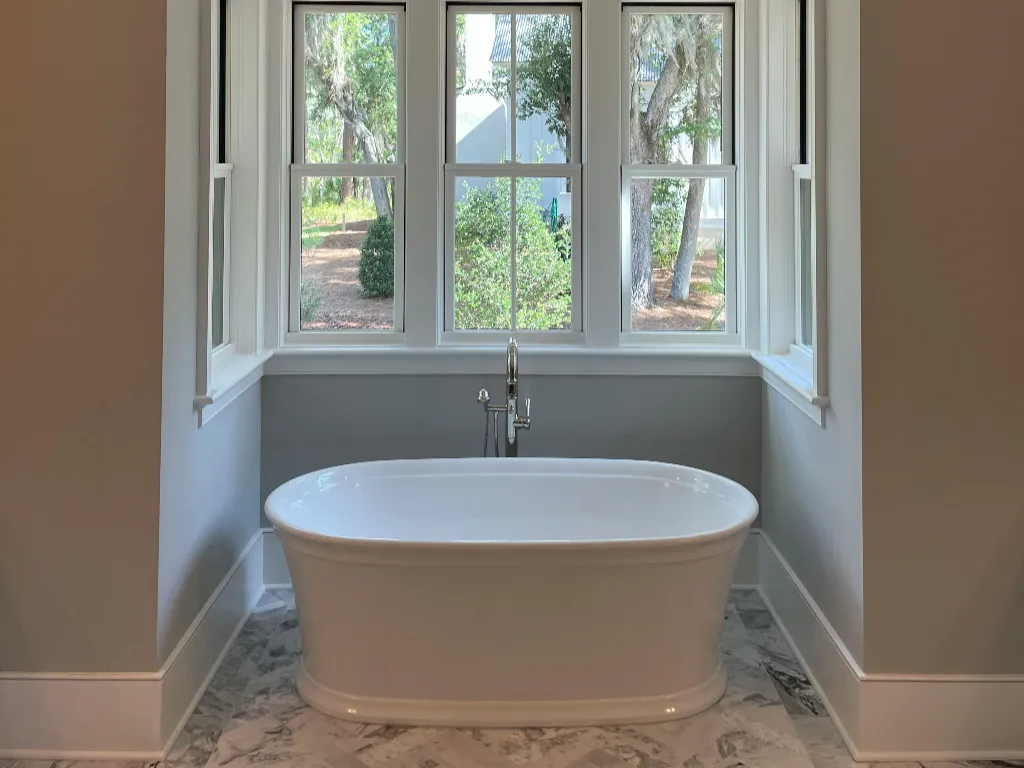

Choosing the best material for a freestanding bathtub is rarely a simple decision. น้ำหนัก, การกักเก็บความร้อน, ความทน, cost, and installation limits all play a role. What works well in a luxury villa may not suit a multi-unit residential project.
This guide compares the most common bathtub materials—acrylic, เหล็กหล่อ, stone resin, solid surface, natural stone, and concrete—through clear data and practical insights. By reviewing performance differences and project fit, you can select a material that matches real construction needs and long-term use.
What Determines the Best Material for a Freestanding Bathtub?
In most projects, material selection comes down to a few measurable factors:
- Heat retention
- Weight and structural load
- Lifespan and impact resistance
- Surface repairability
- Cost and installation complexity
These points directly affect feasibility. ตัวอย่างเช่น, a second-floor apartment may not safely carry a 400 kg natural stone tub, while a spa-focused project may require higher thermal mass for longer soaking comfort. Large-scale developments often prioritize cost control and installation efficiency.
Professional buyers also evaluate dimensional stability, resistance to yellowing or cracking, ง่ายต่อการบำรุงรักษา, and supply consistency. When these criteria are clearly defined, the choice becomes technical and strategic—not emotional.
อะคริลิก
อะคริลิก freestanding bathtubs are made from vacuum-formed acrylic sheets, usually reinforced with fiberglass for added strength. The material is non-porous, smooth, และอบอุ่นเมื่อสัมผัส. Many established acrylic freestanding bathtub brands rely on this structure because it balances cost, น้ำหนัก, and design flexibility.
A standard acrylic tub typically weighs 35–60 kg, which makes handling and installation straightforward. Because acrylic can be molded easily, manufacturers can produce a wide range of shapes, thin edges, and modern silhouettes without complex tooling.
ผู้เชี่ยวชาญ
- Affordable price, suitable for volume residential projects
- Lightweight structure, often no extra floor reinforcement required
- เรียบ, glossy surface that resists mold and mildew
- Flexible design options, including various sizes and colors
- Minor surface damage can usually be polished or repaired
ข้อเสีย
- Surface may scratch more easily than mineral-based materials
- Moderate heat retention compared to stone resin or cast iron
- Structural rigidity depends on reinforcement quality
Application
Acrylic is ideal for apartments, multi-unit housing, and cost-sensitive renovations where easy installation and controlled budget are priorities.
เหล็กหล่อ
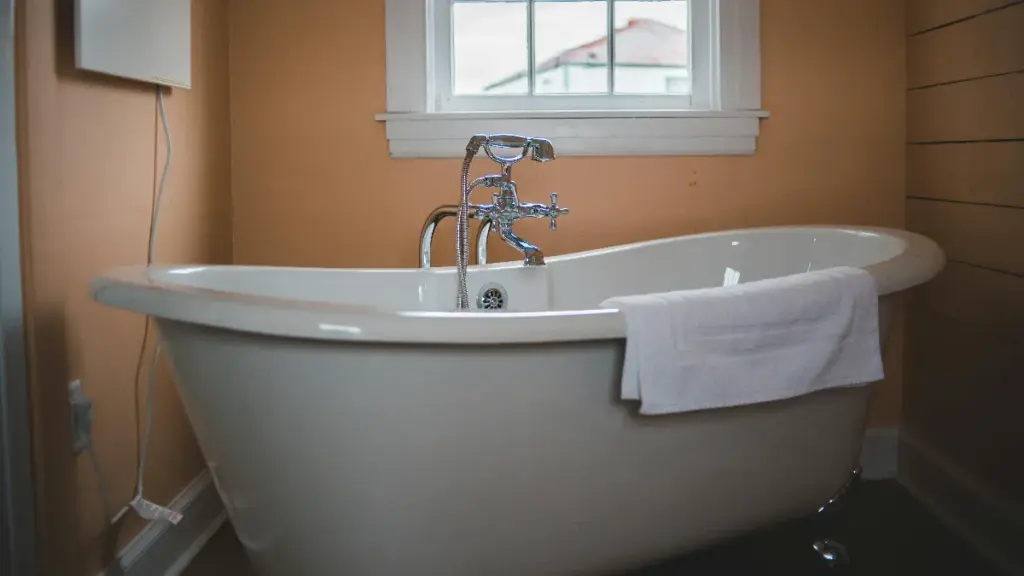
Cast iron freestanding bathtubs are produced by pouring molten iron into precision molds, then coating the surface with a thick enamel layer fired at high temperature. The result is a rigid, dense structure with exceptional mechanical strength.
A typical cast iron tub weighs 150–250 kg empty, and once filled with water, the total load can exceed 400 กิโลกรัม, so structural assessment is essential before installation.
ผู้เชี่ยวชาญ
- Outstanding cast iron heat retention, ideal for long soaking sessions
- Extremely durable structure, resistant to deformation
- Hard enamel surface, highly resistant to scratches and chemicals
- Long service life, often exceeding 30 years with proper care
ข้อเสีย
- หนักมาก, often requiring reinforced flooring
- Limited design flexibility due to casting constraints
- Enamel chipping, while rare, is difficult to repair invisibly
Application
Cast iron is well suited for classic interiors, heritage-style bathrooms, and high-end residential projects where durability and thermal performance are prioritized over installation convenience.
เรซิ่นหิน
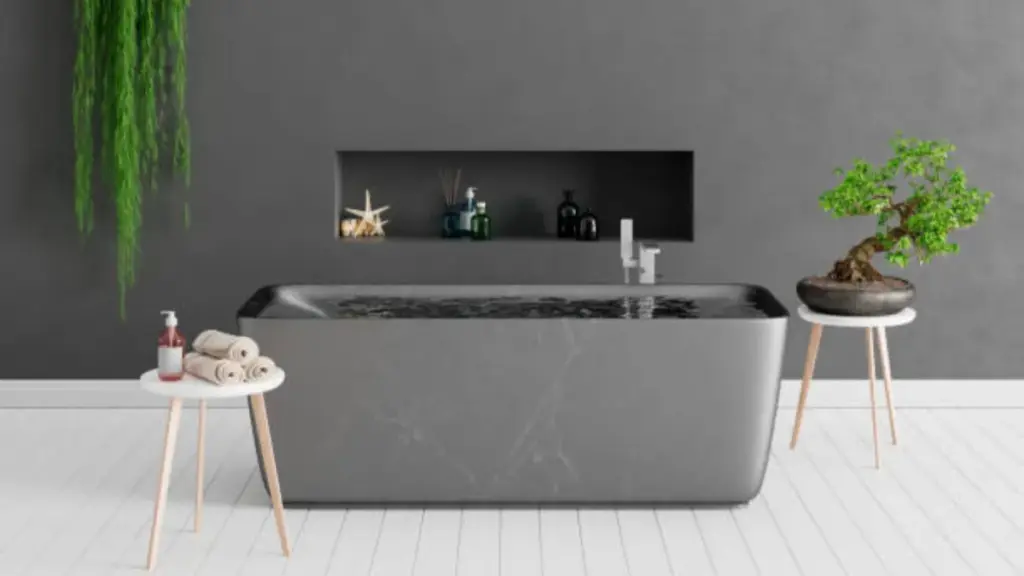
Stone resin freestanding bathtubs are manufactured from crushed natural stone blended with resin binders, forming a dense composite body with uniform thickness.
A standard unit weighs 120–180 kg, offering a solid feel without the extreme load of natural stone. The mineral content improves thermal stability, so heat loss is slower than acrylic while installation remains manageable.
For buyers evaluating the best stone resin freestanding bathtub, performance consistency is critical. Stone resin durability largely depends on formulation quality and curing control, which affect crack resistance and long-term color stability.
ผู้เชี่ยวชาญ
- Very good heat retention, suitable for longer soaking
- Rigid structure with minimal flex under load
- Matte or satin finishes for modern aesthetics
- Higher surface hardness than standard acrylic
- Strong performance-to-cost balance
ข้อเสีย
- Heavier than acrylic, requiring structural check
- Surface repairs are less seamless than solid surface
- Quality differences exist between manufacturers
Application
Stone resin is well suited for upscale residential projects, hospitality environments, and contemporary bathrooms where durability, thermal comfort, and refined design must align.arket.
พื้นผิวที่เป็นของแข็ง
Solid surface freestanding bathtubs are made from acrylic polymers blended with natural mineral fillers. Unlike standard acrylic tub, the material is homogeneous throughout. This means the color and texture run through the entire body, not just the surface layer. A typical solid surface tub weighs 80–140 kg, placing it between acrylic and stone resin in structural load.
ผู้เชี่ยวชาญ
- Seamless, modern appearance with thin-edge design options
- Renewable surface through sanding and polishing
- More stable under long-term temperature change
- Consistent color throughout the material
ข้อเสีย
- Higher cost than standard acrylic
- Heavier, requiring proper floor support
- Not as thermally dense as cast iron or natural stone
Application
Solid surface works well in contemporary residential projects, design-focused hospitality spaces, and bathrooms where long-term surface maintenance and visual precision are priorities.
Natural Stone
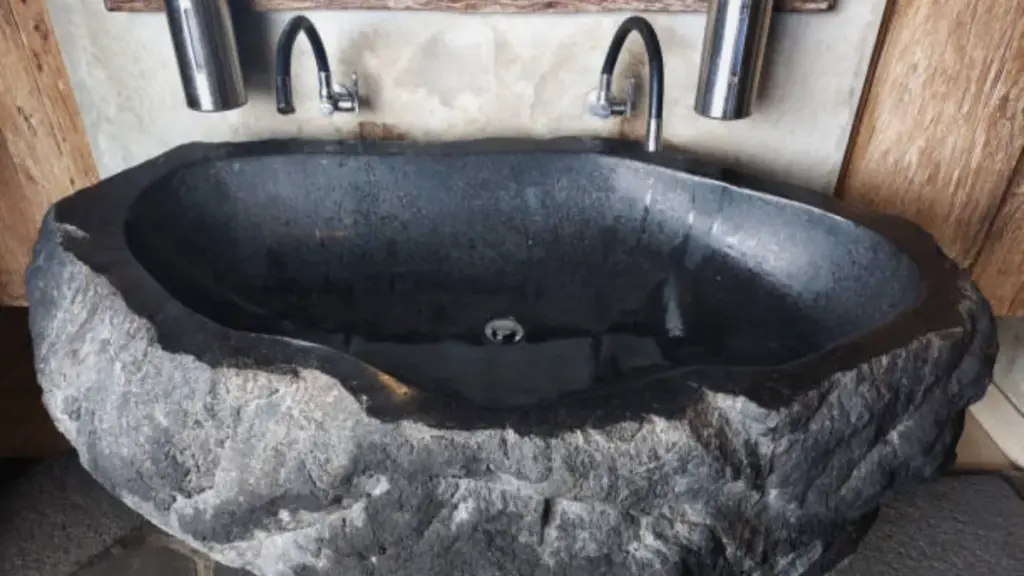
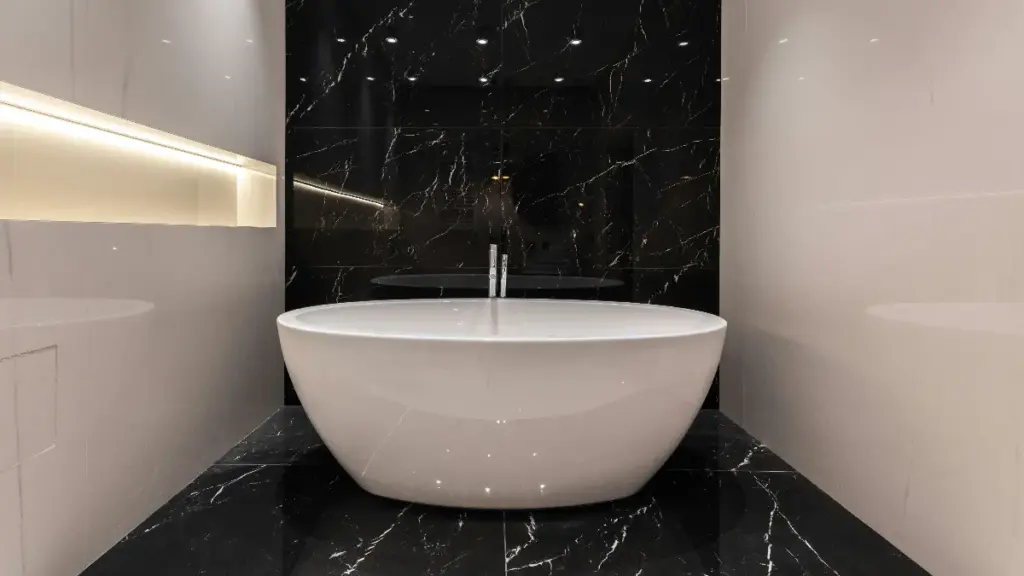
When evaluating natural stone freestanding tub pros and cons, the benefits are mostly aesthetic and performance-related. Natural stone freestanding bathtubs are carved from solid blocks of marble, หินแกรนิต, or travertine. Each piece is unique, offering unmatched visual elegance and texture.
A typical natural stone tub weighs 300–800 kg, requiring reinforced flooring and careful handling during installation. The material has excellent thermal mass, keeping water warm for extended periods.
ผู้เชี่ยวชาญ
- Luxurious, one-of-a-kind appearance
- Exceptional heat retention due to high density
- Very durable when properly maintained
- Strong statement piece for premium interiors
ข้อเสีย
- Extremely heavy, requiring structural reinforcement
- Porous surface needs regular sealing
- Transport and installation are complex
- High cost compared to other materials
Application
Natural stone tubs are ideal for luxury villas, โรงแรมบูติค, and high-end residential projects where visual impact, long-term performance, and premium feel outweigh installation convenience.
Concrete
Concrete freestanding bathtubs are made from reinforced pre-cast or cast-in-place concrete, offering full flexibility in shape, ขนาด, and finish. They are ideal for unique architectural or industrial-style bathrooms.
A typical concrete tub weighs 250+ กิโลกรัม, requiring proper structural support and floor reinforcement for safe installation.
ผู้เชี่ยวชาญ
- Fully customizable shapes and sizes
- Excellent heat retention, keeping water warm longer
- Very durable when properly reinforced
- Industrial and modern aesthetic
ข้อเสีย
- Extremely heavy, needing reinforced flooring
- Porous surface requires sealing and routine maintenance
- Risk of cracking if curing or reinforcement is inadequate
Application
Concrete tubs are best suited for bespoke residential projects, architectural builds, or modern bathrooms where design flexibility and visual impact are prioritized over ease of installation.
Technical Comparison of Key Materials
Let’s summary the materials based on measurable factors.
| วัสดุ | คุณสมบัติ | การกักเก็บความร้อน | น้ำหนัก (Empty) | Lifespan | Installation Difficulty | Surface Repairability | ค่าใช้จ่าย |
|---|---|---|---|---|---|---|---|
| อะคริลิก | Flexible designs, น้ำหนักเบา, smooth glossy finish, prone to scratching | ปานกลาง | 35–60 kg | 10–15 years | Easy | Minor scratches can be polished | ต่ำ |
| เหล็กหล่อ | Classic aesthetic, excellent heat retention, very heavy | ยอดเยี่ยม | 150–250 kg | 30+ ปี | สูง (reinforcement needed) | Difficult, enamel repair needed | Mid-High |
| เรซิ่นหิน | Dense and rigid, modern finish, good thermal stability | Very Good | 120–180 kg | 15–25 years | ปานกลาง | Minor repairs possible, more complex than acrylic | กลาง |
| พื้นผิวที่เป็นของแข็ง | Seamless and renewable surface, premium tactile feel | Very Good | 80–140 kg | 15–25 years | ปานกลาง | Can be sanded and refinished | Mid-High |
| Natural Stone | Unique luxury aesthetics, high thermal mass, requires sealing | ยอดเยี่ยม | 300–800 kg | 30+ ปี | Very High (floor reinforcement required) | Difficult | สูง |
| Concrete | Customizable shapes, industrial look, heavy, structurally demanding | ยอดเยี่ยม | 250+ กิโลกรัม | 20–30 years | สูง | Needs proper sealing, cracking possible | Mid-High |
Which Material Is Best for Different Project Types?
There is no single winner. The right material depends on structure, งบประมาณ, user expectation, และเป้าหมายการออกแบบ.
For multi-unit residential projects:
Acrylic is common because it controls cost and simplifies installation. If a slightly higher budget is available, stone resin can offer better rigidity and improved thermal comfort without extreme weight.
For boutique hotels:
Stone resin and solid surface are both strong options. Stone resin provides density and heat stability, while solid surface offers easier surface renewal and a seamless modern look.
For luxury villas:
Natural stone creates maximum visual impact. อย่างไรก็ตาม, high-grade stone resin can deliver a similar premium feel with fewer structural demands.
For heritage or classic interiors:
Cast iron remains a preferred choice, especially where long-term durability and strong cast iron heat retention are valued.
For architectural custom builds:
Concrete works well for unique shapes, but stone resin may be more practical if structural load is limited.
ความคิดสุดท้าย
Choosing the right material for a freestanding bathtub requires balancing structure, การกักเก็บความร้อน, lifespan, และงบประมาณ. Each material performs differently under real installation and daily use, so decisions should be based on technical fit rather than appearance alone.
Among reliable freestanding bathtub manufacturers, คังเจี้ยน stands out by offering one-stop โซลูชั่นห้องน้ำ, including bathtubs, ตู้อาบน้ำ, trays, แผ่นผนัง, และสุขภัณฑ์อัจฉริยะ. Standardized sizing, pre-drilled components, clear installation guides, and certified quality (เอสจีซีซี, ส.ศ, ศปภ) help reduce supplier complexity and project risk.
ในที่สุด, the best material is the one that performs consistently—not just in a showroom, but in real projects over time.