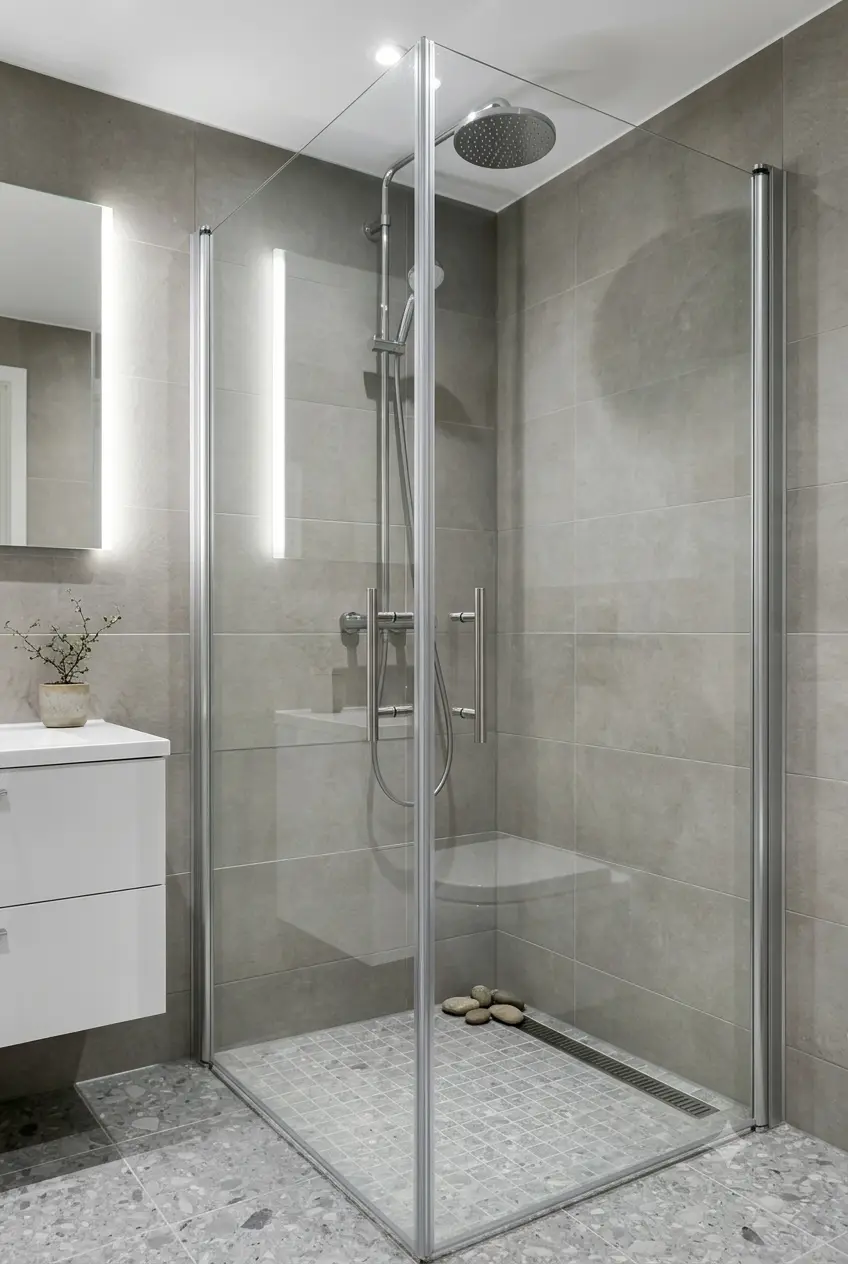
La sostenibilità è passata da una pagina di brochure a una questione di appalti. Gruppi alberghieri con impegni ambientali, importatori europei, e le gare d’appalto pubbliche ora valutano le pratiche di produzione di un fornitore insieme al prezzo e ai tempi di consegna. Il problema è questo “cabina doccia sostenibile” è facile da affermare e difficile da verificare, e un vago aggettivo verde vale ben poco quando un acquirente deve difendere una decisione di approvvigionamento.
In questo articolo si analizza ciò che effettivamente determina l’impronta ambientale di una cabina doccia in vetro: i materiali, l'energia di elaborazione, le gambe di trasporto, la confezione, E, soprattutto, quanto dura il prodotto. Successivamente stabilisce cosa può chiedere un acquirente per testare la pratica reale di un fornitore piuttosto che il suo linguaggio di marketing.
Il riferimento è un produttore che tempera il proprio vetro, lavora il proprio alluminio, e possiede un ISO 14001 certificazione di gestione ambientale. Quando un reclamo non può essere supportato da un documento o da un processo, lo consideriamo come non provato, e ti suggeriamo di fare lo stesso.
Punti chiave
- La durabilità è la più grande leva di sostenibilità: un involucro che dura decenni evita gli sprechi e l'energia incorporata della sostituzione.
- Vetro e alluminio sono entrambi riciclabili senza perdere le loro proprietà, quindi l’impronta risiede più nella trasformazione dell’energia e nei trasporti che nella materia prima.
- La tempera interna e il controllo completo della catena di fornitura riducono le gambe di trasporto e gli scarti di lavorazione rispetto all'acquisto di vetro pretagliato da terzi.
- ISO 14001 la certificazione di gestione ambientale è un segnale verificabile; gli aggettivi no.
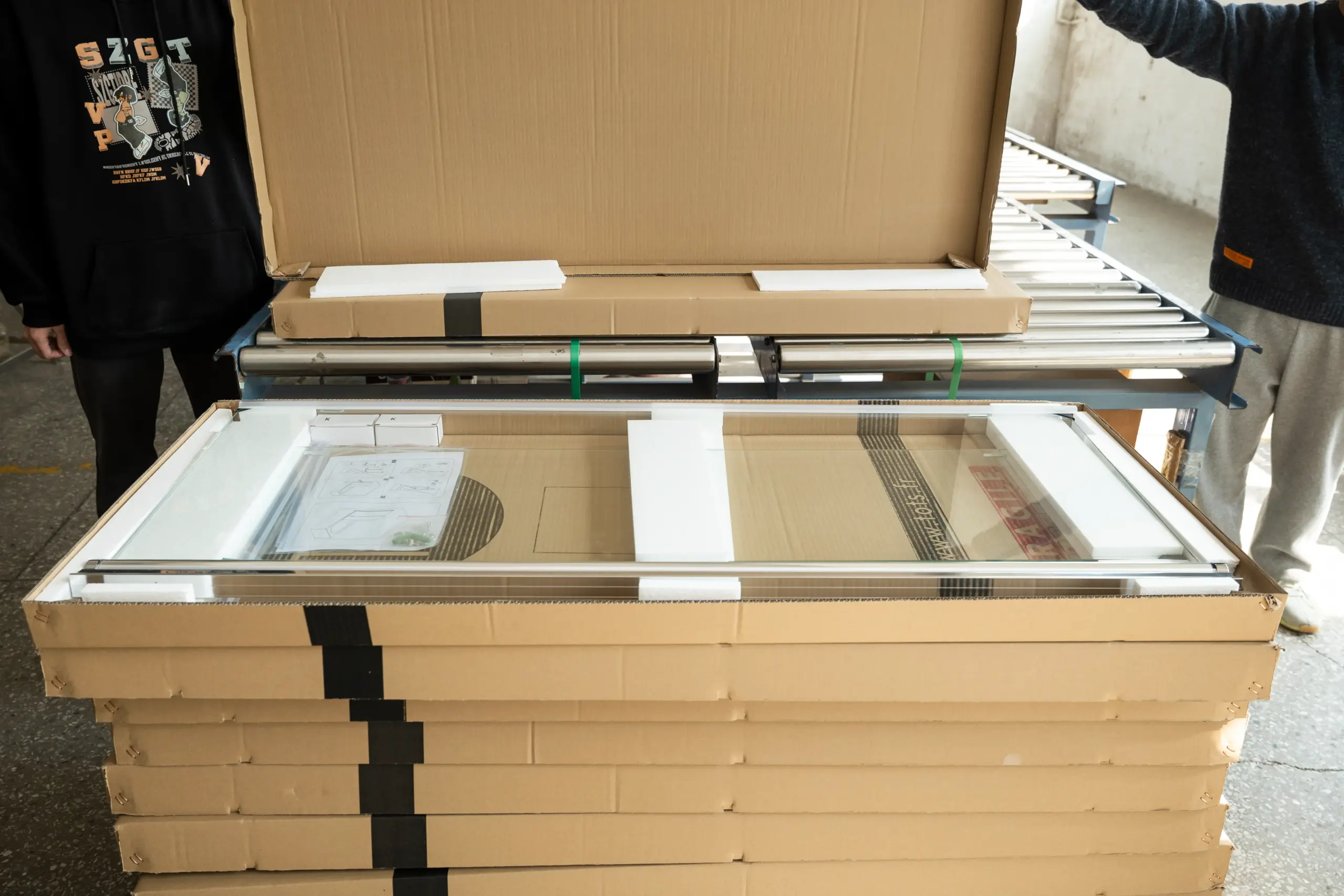
- Gli imballaggi sono un flusso di rifiuti che gli acquirenti dimenticano: cartone alveolare, involucro kraft, e le casse di legno riutilizzabili riducono sia i rifiuti che la rottura dell'ultimo miglio.
- Hardware durevole, ovvero finiture rivestite in PVD, raccordi testati contro la nebbia salina, e rulli da 100.000 cicli, prolunga la durata e riduce le parti di ricambio.
La durabilità è la prima leva della sostenibilità
La cabina doccia più green è quella che non ha mai bisogno di essere sostituita. Ogni sostituzione ripete l'estrazione della materia prima, l'energia di elaborazione, il trasporto, e l'imballaggio, e manda la vecchia unità in discarica. L'estensione della durata utile quindi ha un impatto maggiore sull'impronta ecologica rispetto a quasi ogni singola scelta di materiale.
Questo è il motivo per cui la garanzia del produttore e i dati dei test sono documenti di sostenibilità sotto mentite spoglie. KJ Bath offre le sue custodie con una garanzia di 5 anni e il suo hardware con una garanzia di 3 anni, e valuta i suoi rulli 100,000 cicli push-pull, una cifra che corrisponde a circa un decennio di utilizzo commerciale quotidiano. Il vetro temperato da 6 mm a 12 mm e i raccordi resistenti alla corrosione sono ciò che consente a questi numeri di resistere in un ambiente umido, bagno molto pulito.
Per un acquirente, la mossa pratica è quella di trattare i dati sulla durabilità come parte della valutazione ambientale. Un fornitore che pubblica rapporti su test di ciclo e nebbia salina descrive un prodotto di lunga durata. La nostra guida a garantire la qualità nelle porte doccia personalizzate spiega come leggere i dati prima di impegnarsi.
Bicchiere: Materiale riciclabile, Elaborazione ad alta intensità energetica
Il vetro è costituito da abbondante sabbia silicea e può essere riciclato ripetutamente senza perdere trasparenza o resistenza. Dal lato delle materie prime, Poi, un pannello di vetro è una buona storia di sostenibilità. La parte più pesante dell'impronta rimane nella lavorazione.
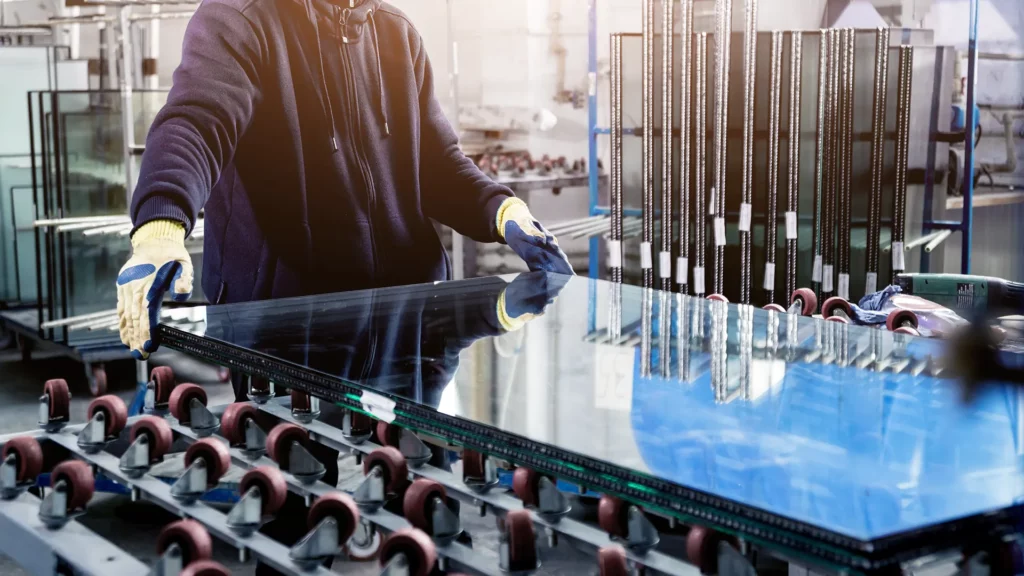
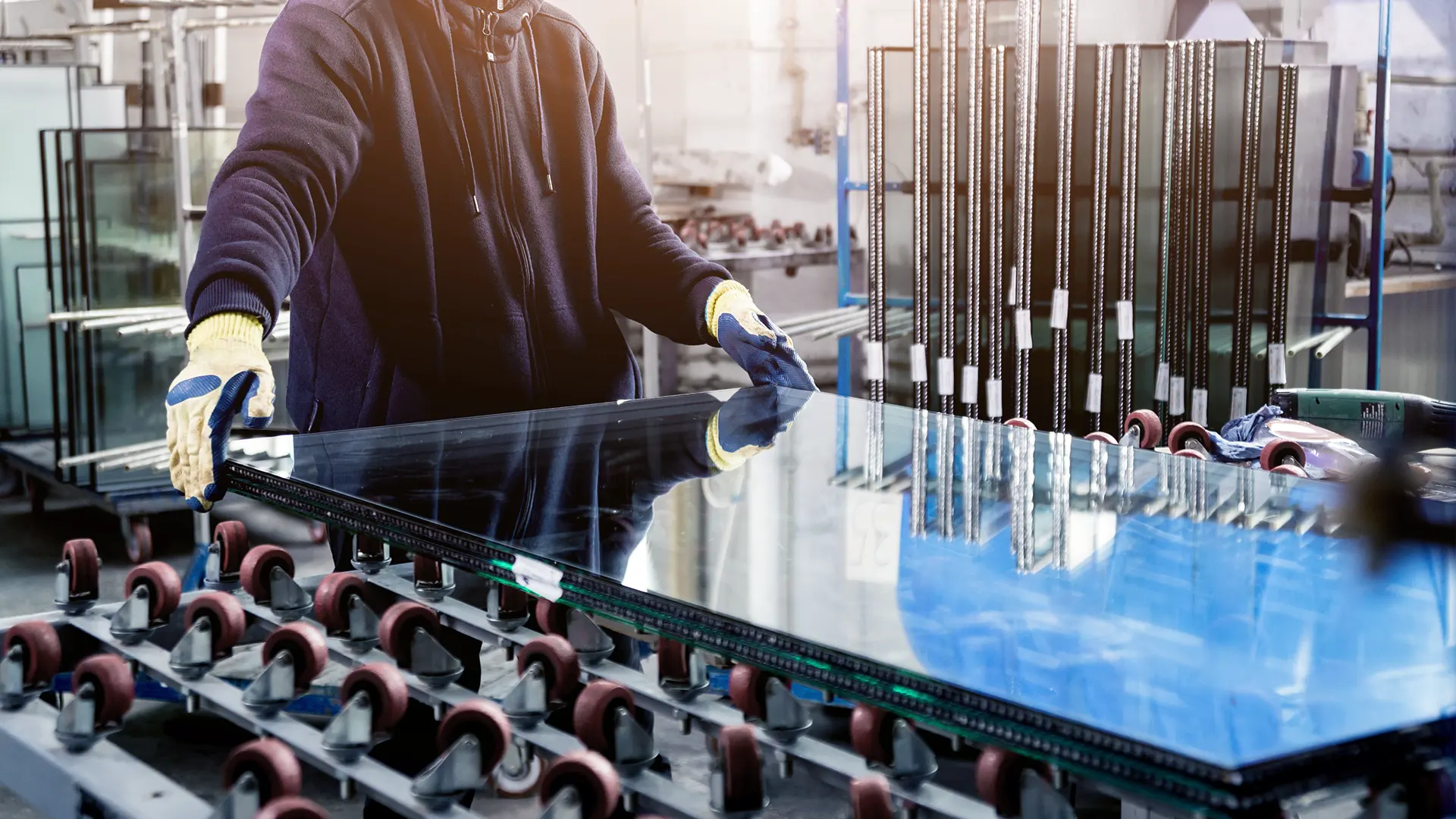
Il rinvenimento è la fase ad alta intensità energetica. Il pannello viene riscaldato a circa 620°C e poi raffreddato rapidamente, che mette in compressione le superfici esterne e rende il vetro molte volte più resistente del vetro ricotto. Perché il rinvenimento consuma molta energia, il guadagno ambientale deriva dalla resa: ogni pannello che si rompe in produzione o non supera l'ispezione spreca il vetro e l'energia già spesa su di esso. Una fabbrica che tempra in casa, verifica ogni lotto, ed esegue un controllo di qualità disciplinato, mantenendo basso il tasso di scarti e l'energia per pannello consegnato.
KJ Bath tempera il proprio vetro utilizzando fogli originali Xinyi ed esegue cinque test di controllo qualità, che copre la verifica del rinvenimento, impatto, caduta dell'imballaggio, nebbia salina, e ciclo push-pull. Mantenere la tempera sotto lo stesso tetto rimuove una tratta di trasporto verso un centro di lavorazione esterno e dà alla fabbrica il controllo diretto sulla resa. La nostra guida a scegliere il vetro per le cabine doccia spiega le opzioni ponderate dagli acquirenti, da temperato chiaro a a basso contenuto di ferro.
Telai e Profili in Alluminio: Riciclabilità e lavorazione pulita
L’alluminio è uno dei materiali industriali più riciclabili di uso comune, e riciclandolo consuma molta meno energia rispetto alla fusione primaria pur mantenendo le stesse proprietà. Cornici, canali a parete, e i profili in alluminio portano quindi con sé una forte storia di recupero a fine vita.
All'interno della fabbrica, l'aspetto della sostenibilità è l'efficienza della lavorazione. Il taglio e la scanalatura CNC consentono alla pianta di annidare le parti in modo da ridurre al minimo i ritagli, e i trucioli di alluminio puliti sono facili da raccogliere e rispedire per il riciclaggio. KJ Bath lavora l'alluminio internamente su apparecchiature CNC, eseguire il taglio automatico e l'esecuzione di scanalature automatiche prima del montaggio, che tiene sotto controllo gli sfridi ed evita la gestione aggiuntiva dell’acquisto di profili prelavorati.
Elaborazione interna e controllo completo della catena di fornitura
I trasporti contribuiscono in modo discreto all’impronta ecologica. Ogni volta che un componente semilavorato si sposta tra fornitori separati, aggiunge una tratta merci, confezione, e gestire le perdite. Una fabbrica che gestisce l’intero processo sotto lo stesso tetto rimuove quelle gambe.
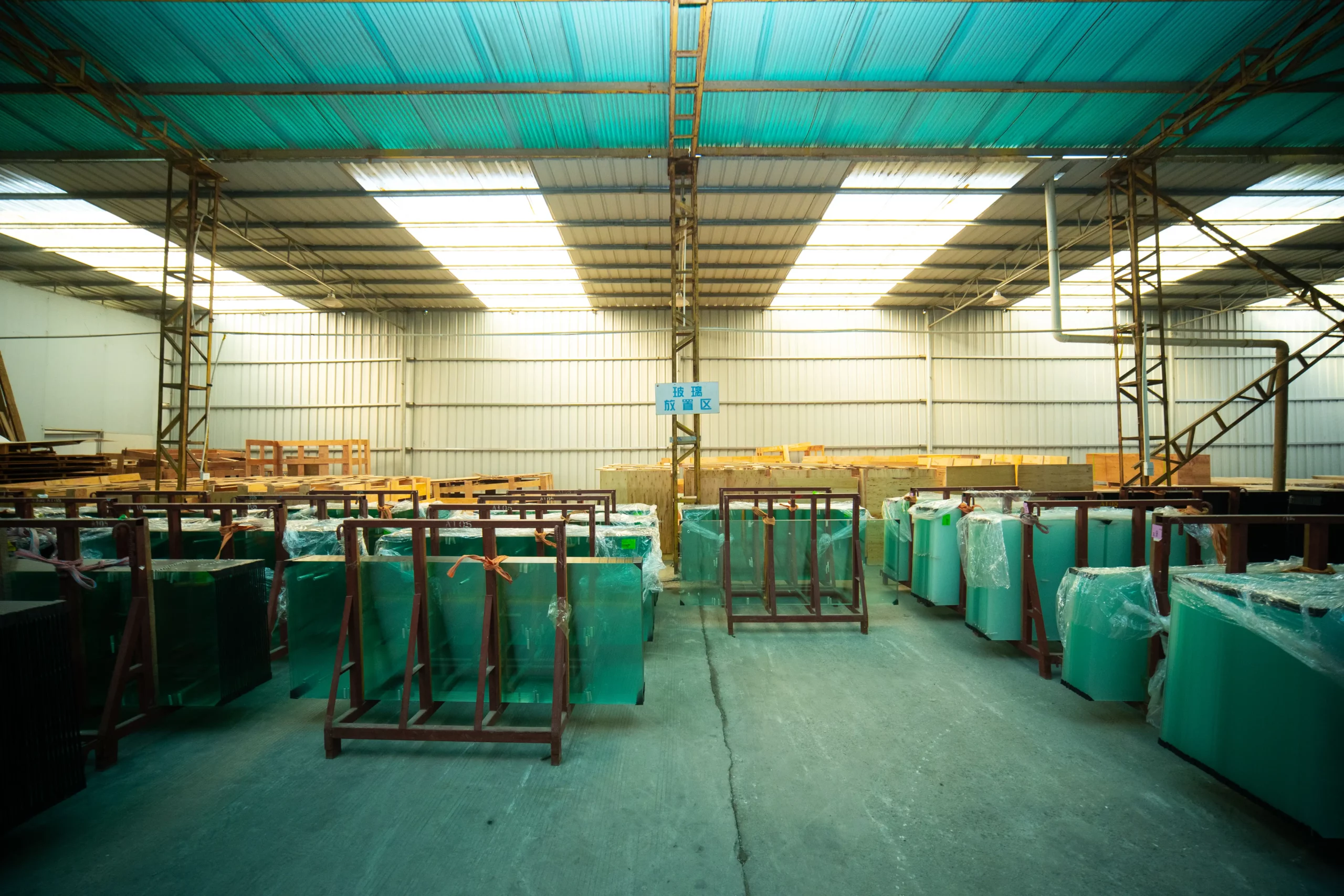
KJ Bath gestisce quattro laboratori dedicati al suo interno 15,000 pianta mq: lavorazione dell'alluminio, taglio e tempra del vetro, assemblaggio, e una linea di confezionamento automatizzata. Con 151 personale, un R da 12 persone&squadra D, e una produzione mensile di 1,000 imposta, la pianta conserva il vetro, alluminio, assemblaggio, e imballaggio su un sito. Meno movimenti tra fornitori significano minori emissioni di trasporto e meno rifiuti da movimentazione, e un coordinamento più stretto significa meno scarti.
Il segnale verificabile qui è la certificazione. KJ Bath detiene la certificazione ISO 14001, lo standard del sistema di gestione ambientale, insieme all'ISO 9001 per qualità e ISO 45001 per la salute e la sicurezza sul lavoro. Un'ISO 14001 certificato significa che la fabbrica mantiene un documento documentato, sistema di gestione ambientale controllato piuttosto che un’aspirazione. La nostra lista di controllo su cosa cercare in un produttore di cabine doccia mostra come verificare il controllo della catena di fornitura durante la selezione dei fornitori.
Confezione: Gli acquirenti del flusso di rifiuti dimenticano
L'imballaggio è il luogo in cui si concentrano effettivamente gran parte dei rifiuti evitabili e dell'impronta evitabile. Un pannello di vetro che si rompe durante il trasporto non è solo una vendita persa; è vetro sprecato, energia di rinvenimento sprecata, e una spedizione sostitutiva che raddoppia l'ingombro del trasporto per un'unità consegnata.
Un buon imballaggio è quindi una misura di sostenibilità tanto quanto un costo. KJ Confezione da bagno con cartone alveolare e pellicola kraft, rinforzato da una cassa di legno impilabile e riutilizzabile, e gestisce una linea di confezionamento automatizzata per coerenza. Ogni unità imballata viene sottoposta a test di caduta in modo che sopravviva al corriere e alla movimentazione dell'ultimo miglio. L’obiettivo è un tasso di rottura prossimo allo zero, il che equivale a dire che l'obiettivo non è alcuno spreco di pannelli e nessuna spedizione duplicata.
Gli acquirenti che confrontano i fornitori dovrebbero chiedere di cosa è fatto l'imballaggio, se l'imballaggio è riutilizzabile, e se esiste un rapporto sul test di caduta. Questi sono concreti, domande a cui è possibile rispondere, a differenza di un generale “imballaggio ecologico” reclamo.
Longevità dell'hardware e delle finiture
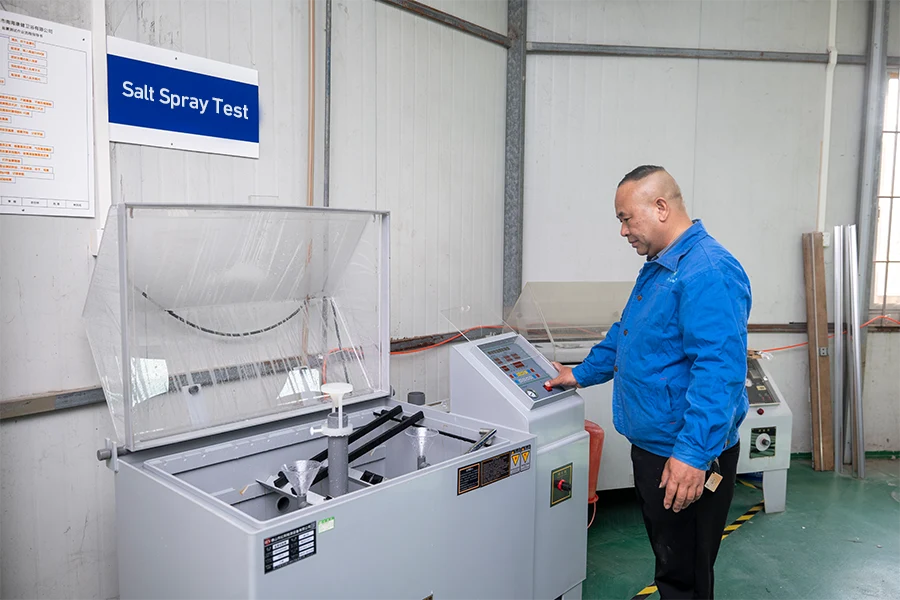
Di solito l'hardware si guasta prima del vetro, quindi la sua durata determina la frequenza con cui un contenitore necessita di sostituzione delle parti. Due processi contano. PVD (Deposizione fisica di vapore) il rivestimento si lega duro, finitura resistente alla corrosione sull'hardware sotto vuoto, mantenendo il colore e la brillantezza molto più a lungo rispetto alla galvanica standard in un ambiente umido, bagno pulito chimicamente. I test in nebbia salina dimostrano quindi la resistenza alla corrosione anziché affermarla.
Rulli in acciaio inossidabile classificati a 100,000 cicli, sigilli magnetici, e un pacchetto di pezzi di ricambio di elementi soggetti a usura come rulli e guarnizioni prolungano la durata operativa dell'unità. Una finitura che sbiadisce o un rullo che sviluppa gioco dopo alcune migliaia di cicli trasformano un pannello in vetro resistente in una sostituzione anticipata. La longevità delle piccole parti è ciò che protegge la longevità dell'insieme, ecco perché la qualità dei rulli è così importante in tutto il mondo porta doccia scorrevole allineare.
Cosa dovrebbero effettivamente verificare gli acquirenti
Le dichiarazioni di sostenibilità sono utili solo se un acquirente può trasformarle in documenti e processi. La tabella seguente mappa ogni affermazione comune con le prove che dovresti richiedere e il motivo per cui è importante.
| Richiedi di testare | Cosa chiedere al fornitore | Perché è importante |
|---|---|---|
| Materiali riciclabili | La conferma che vetro e alluminio sono riciclabili, e come vengono gestiti i ritagli | Recupero del materiale a fine vita e minori scarti di lavorazione |
| Gestione ambientale | Un ISO attuale 14001 certificato | Un sistema controllato piuttosto che un aggettivo non verificato |
| Durevolezza e durata | Rapporti sui test di ciclo e in nebbia salina più termini di garanzia scritti | La longevità evita gli sprechi e l'energia della sostituzione |
| Imballaggio responsabile | Materiali di imballaggio, imballaggio riutilizzabile, e un rapporto sul test di caduta | Meno rifiuti di imballaggio e meno spedizioni di pannelli rotti |
| Elaborazione efficiente | Se il vetro viene temperato internamente e come viene controllata la resa | Meno vetro sprecato, energia, e trasporti |
Come KJ Bath si avvicina alla produzione sostenibile
Bagno di KJ (Sanitari Foshan Nanhai Kangjian) da allora produce cabine doccia 1999 e tratta la sostenibilità come un insieme di pratiche verificabili piuttosto che come un’etichetta. L'azienda detiene la certificazione ISO 14001 per la gestione ambientale insieme all’ISO 9001 e ISO 45001, tempera il proprio vetro da 6 mm a 12 mm utilizzando lastre originali Xinyi, e lavora l'alluminio, assemblaggio, e confezionamento automatizzato in un unico prodotto 15,000 pianta mq. Cinque test di controllo qualità mantengono alta la resa e bassi gli scarti, l'hardware è rivestito in PVD e testato in nebbia salina, i rulli sono classificati a 100,000 cicli, e ogni unità è imballata in cartone a nido d'ape e sottoposta a test di caduta. Le custodie sono coperte da una garanzia di 5 anni, mentre l'hardware ha una garanzia di 3 anni, e la fabbrica ha fornito Hilton, Marriott, e progetti Hyatt. Vedi il controllo di qualità pagina per i dettagli del test, o leggere di più su KJ Bath.
 Costruire una linea di prodotti o un'offerta conforme all'ambiente?
Se una gara d'appalto o un impegno di marca richiedono una pratica ambientale documentata, inviaci le tue specifiche. Forniremo l'ISO 14001 certificato, i relativi rapporti di prova, e i dettagli dell'imballaggio necessari per rispondere con prove alle domande sulla sostenibilità.
Domande frequenti
Cosa rende sostenibile una cabina doccia in vetro?
Quattro cose: una lunga durata che evita gli sprechi di sostituzione, materiali riciclabili come vetro e alluminio, un'efficiente lavorazione interna che mantiene alta la resa e basse le gambe di trasporto, e imballaggio responsabile. La durabilità conta di più, perché ogni sostituzione ripete il materiale, energia, e l'impronta del trasporto dell'originale.
Il vetro della cabina doccia è riciclabile??
SÌ. Il vetro può essere riciclato ripetutamente senza perdere chiarezza o resistenza, e anche i telai in alluminio sono altamente riciclabili. La maggior parte dell’impronta ambientale risiede nell’energia utilizzata per temperare il vetro e nel trasporto, ecco perché il rinvenimento interno e un basso tasso di scarto sono importanti.
KJ Bath possiede qualche certificazione ambientale?
SÌ. KJ Bath detiene la certificazione ISO 14001, lo standard del sistema di gestione ambientale, insieme all'ISO 9001 per la gestione della qualità e ISO 45001 per la salute e la sicurezza sul lavoro. Un'ISO 14001 certificato significa che la fabbrica mantiene un sistema di gestione ambientale documentato e controllato.
In che modo la durabilità del prodotto è correlata alla sostenibilità?
Un involucro più duraturo evita gli sprechi e l’energia incorporata della sostituzione. KJ Bath offre le sue custodie con una garanzia di 5 anni e il suo hardware con una garanzia di 3 anni, e valuta i suoi rulli 100,000 cicli push-pull, che equivale a circa un decennio di uso commerciale quotidiano.
Quale imballaggio utilizza KJ Bath, ed è sostenibile?
Unità di confezionamento KJ Bath in cartone alveolare e pellicola kraft rinforzata con cassa di legno impilabile e riutilizzabile, utilizzando una linea di confezionamento automatizzata per coerenza. Ogni unità scatolata è sottoposta a test di caduta per ridurre la rottura, che impedisce lo spreco di vetro e le doppie spedizioni di sostituzione.
Cosa dovrebbe chiedere un acquirente per verificare le dichiarazioni di sostenibilità di un fornitore?
Richiedi un ISO attuale 14001 certificato, rapporti sui cicli di prova e in nebbia salina, termini di garanzia scritti, i materiali di imballaggio e un rapporto sul test di caduta, e la conferma che il vetro è temperato internamente. Documenti e processi sono verificabili; gli aggettivi verdi generali non lo sono.