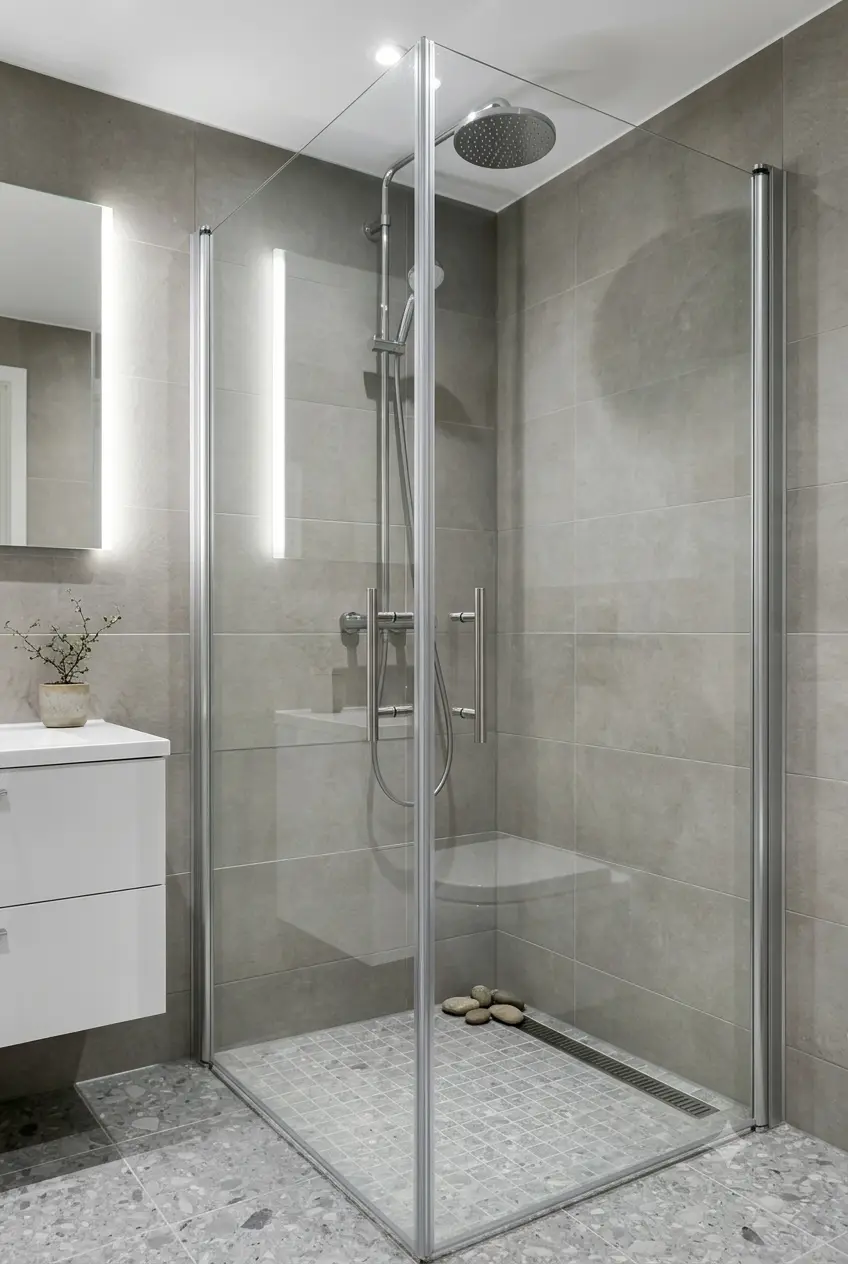
Ogni progetto di bagno compatto pone la stessa domanda: come si inserisce una doccia funzionante in un angolo che una cabina quadrata standard sprecherebbe. La risposta è quasi mai “rendere il quadrato più piccolo.” È cambiare la forma. Angolo, neo-angolo, diamante, e le recinzioni dei quadranti, ciascuna recupera l'area del pavimento in modo diverso, e sapere quale geometria si adatta a quale stanza fa la differenza tra una specifica che viene venduta e una che viene rispedita.
Per importatori e distributori nuovi alla categoria salvaspazio, questa guida spiega le quattro forme in termini semplici: come appare ciascuna dall'alto, dove si adatta, e cosa guardare quando lo specifichi. Alla fine puoi leggere una planimetria, abbinare la forma di un recinto alla stanza, e crea un catalogo compatto che risponda alle domande che i tuoi appaltatori porranno. Tutte e quattro le forme fanno parte di KJ Bath gamma di custodie salvaspazio.
Punti chiave
- Le custodie salvaspazio recuperano l'area del pavimento modificando la geometria, non restringendo un'unità quadrata.
- Quattro forme dominano la categoria: angolo (piazza), neo-angolo, diamante, e quadrante, ciascuno con un'impronta e un ingresso distinti.
- Neo-angle e Diamond favoriscono un'entrata più ampia in un angolo piccolo; quadrante favorisce un frontale morbido e curvo; l'angolo quadrato favorisce il più semplice, installazione più economica.
- Gli angoli che consentono di risparmiare spazio sul pavimento sono gli stessi che rendono più difficile progettare l'impermeabilizzazione e lo scorrimento della porta.
- Abbina la forma alla lunghezza e alla distanza della parete della stanza, quindi scegli il tipo di porta che si apre all'interno di ciò che resta.
- Una linea compatta necessita di una scheda tecnica per forma che copra la parete minima, larghezza di ingresso, e spessore del vetro.
Perché Forma, Non la dimensione, Guida la categoria compatta
Un recinto quadrato necessita di due pareti piene ad angolo retto e fa oscillare o far scorrere una porta attraverso un'apertura quadrata. In un bagno grande va bene. In un piccolo bagno per gli ospiti, appartamento di servizio, o layout in stile camper, gli angoli del quadrato mangiano il pavimento di cui ha bisogno un infisso o una porta. Le custodie salvaspazio affrontano il problema in modo geometrico: taglio, angolo, oppure curvare la parte anteriore in modo che l’unità occupi il cuneo d’angolo e lasci aperto il cerchio utilizzabile della stanza.
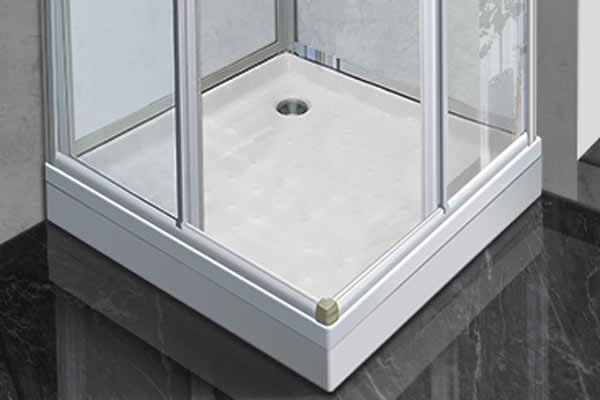
Ogni taglio scambia qualcosa. I pannelli angolari offrono un'apertura più ampia ma aggiungono giunzioni in vetro che devono essere sigillate. Un frontale curvo ammorbidisce l'aspetto e libera una passerella, ma necessita di un vassoio curvo abbinato. Il compito dell’acquirente non è trovare il “migliore” forma ma per abbinare il mestiere alla stanza. Se sei nuovo al vocabolario sottostante, Nostro Glossario box doccia definisce i termini su cui si basano queste specifiche.
Le quattro forme salvaspazio, Definito
Leggi dall'alto, quattro profili coprono i progetti più compatti.
Angolo (piazza) allegato
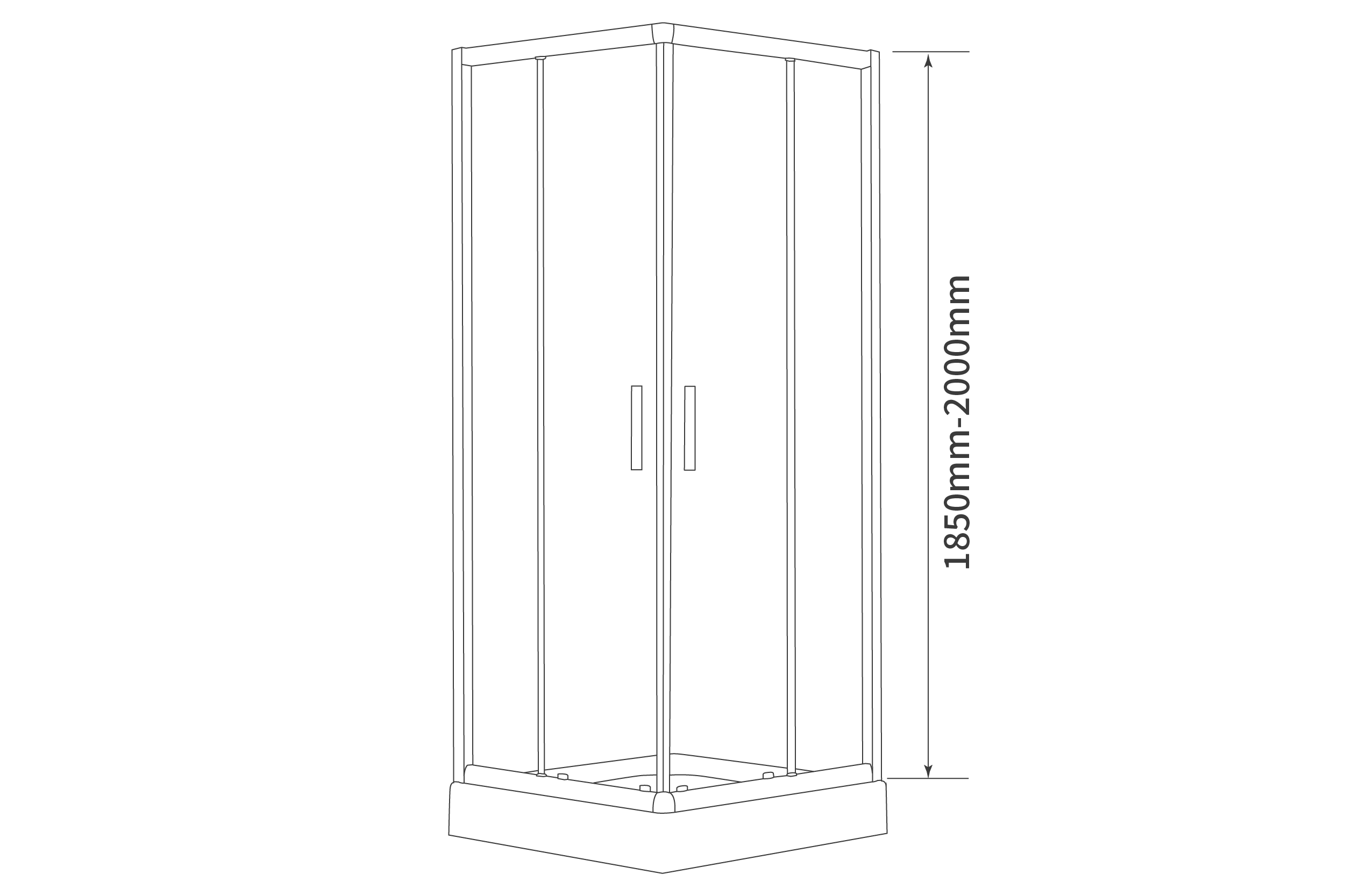
La forma più semplice: due pannelli di vetro che si incontrano ad angolo retto in un angolo, solitamente con un'impronta quadrata o quasi quadrata, comunemente in giro 800 a 1000 mm su ciascuna parete. È il più semplice da produrre, il più facile da sigillare, e il più economico da spedire, ecco perché è ancorato alla maggior parte delle linee compatte entry-level. Il compromesso è che i suoi angoli quadrati contengono una parte dell'area del pavimento che le forme angolate libererebbero.
Custodia neo-angolo
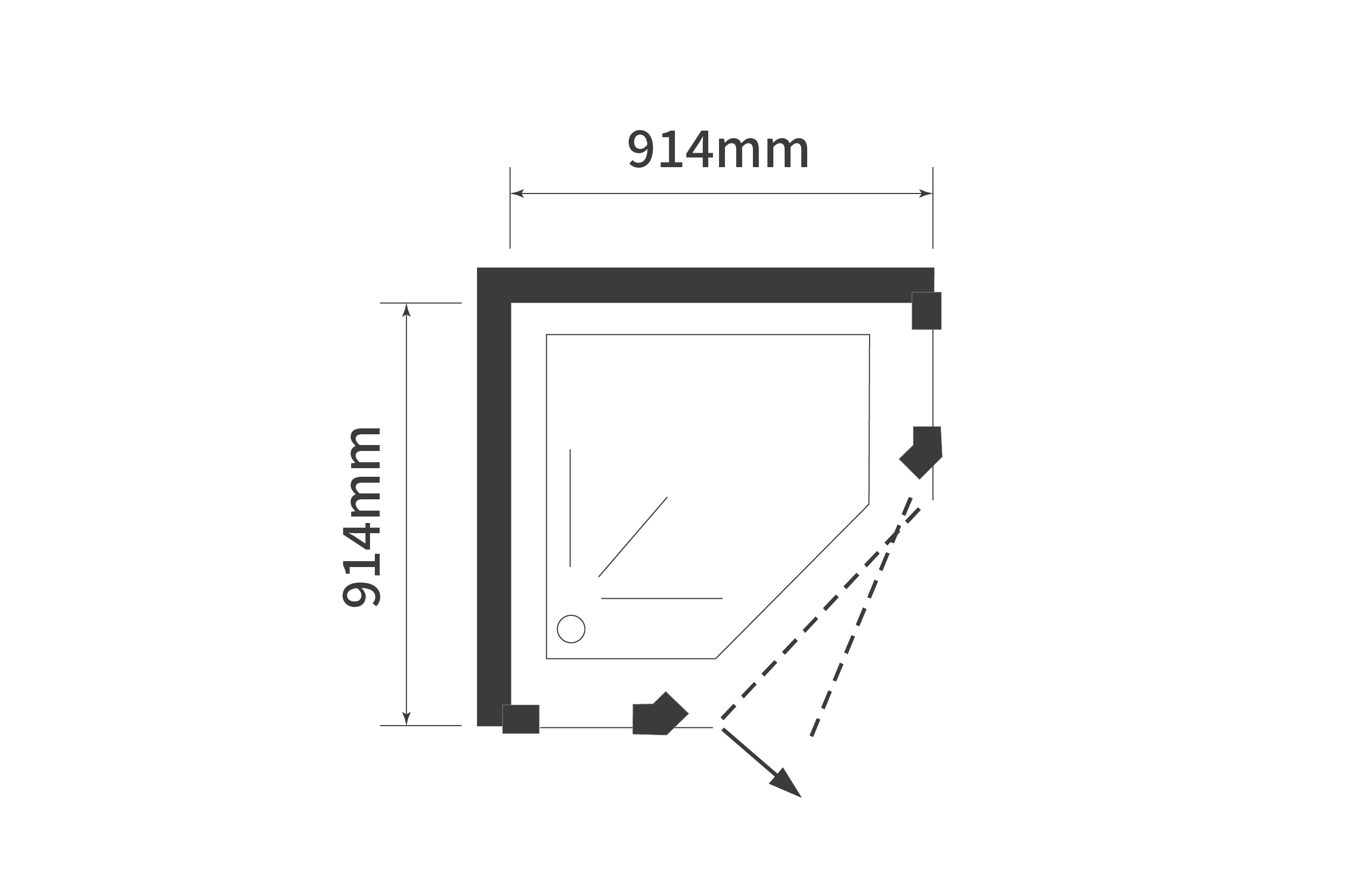
Un'unità angolare a cinque lati: due pannelli corrono lungo le pareti, due pannelli angolari tagliati verso la stanza, e si incontrano in un angolo anteriore o in una porta corta al centro. Perché il davanti viene spinto indietro lungo le diagonali, un neo-angolo offre un'area in piedi più ampia e un ingresso più aperto rispetto a un'unità quadrata della stessa lunghezza della parete. È una scelta comune per le piccole camere d'albergo in cui la porta deve liberare il WC o il mobiletto.
Custodia diamantata
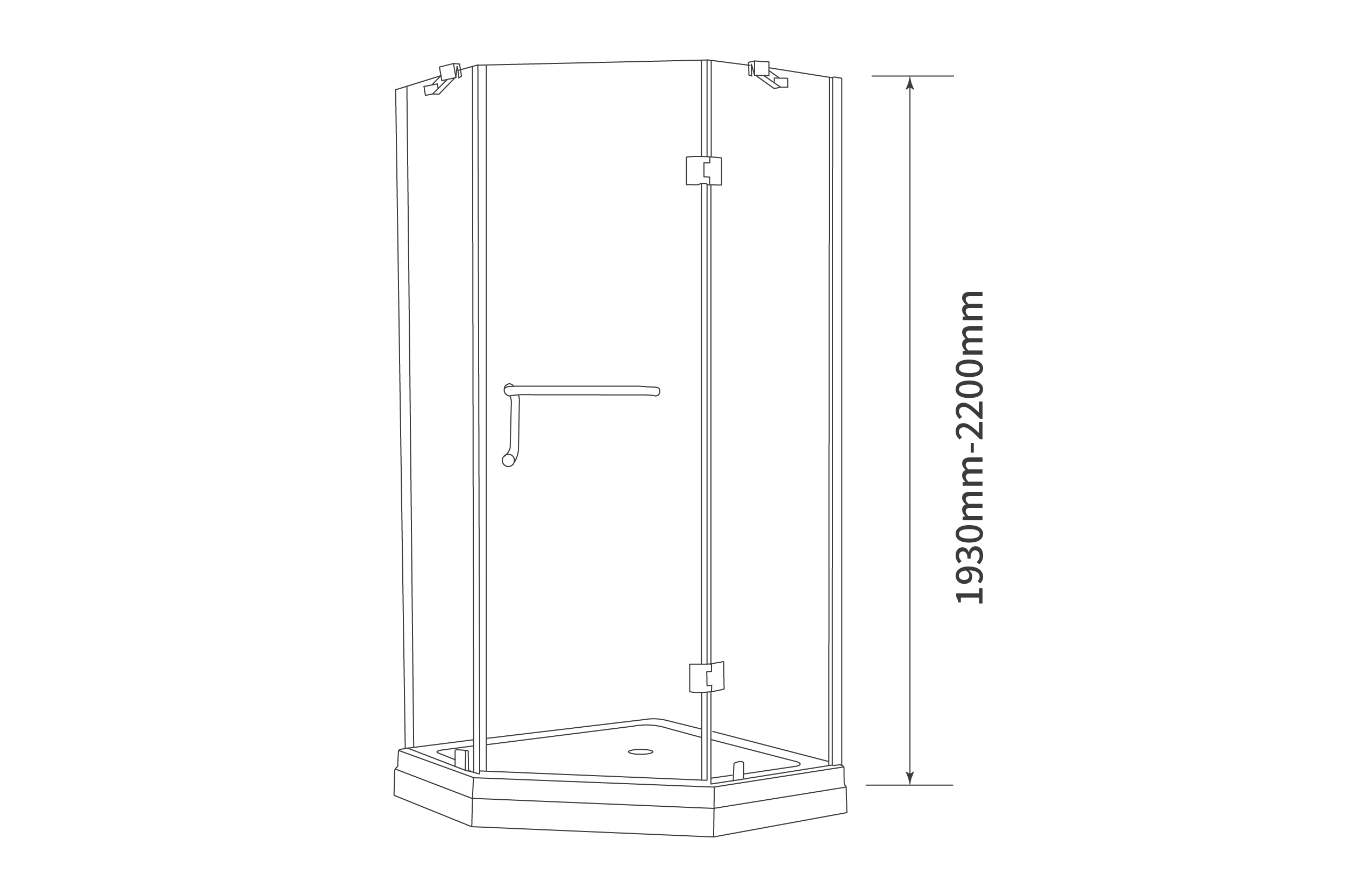
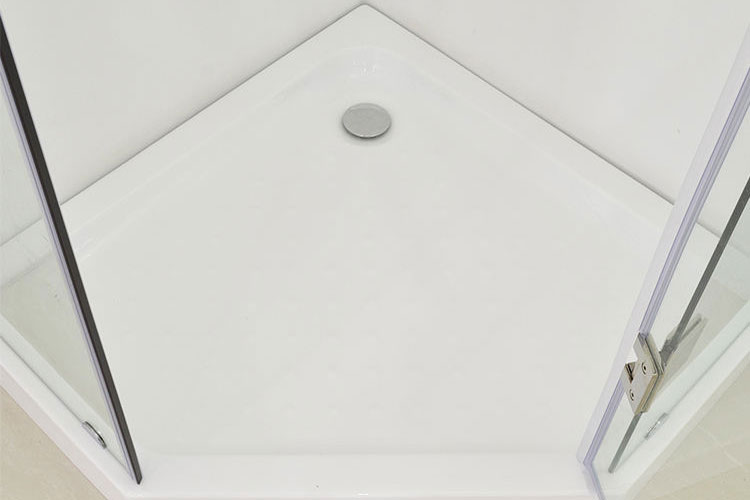
Un mobile angolare i cui pannelli frontali formano una punta di diamante che si estende nella stanza invece di una faccia piatta o curva. La forma a diamante massimizza lo spazio interno in piedi per un dato angolo perché spinge il volume utilizzabile verso l'utente, e apre un percorso lungo entrambe le pareti laterali. La KJ Bath JL139 è un angolo sfaccettato in stile diamante basato su questo principio, realizzato per i bagni di appartamenti e alberghi dove conta ogni grado di libertà nel passaggio pedonale.
Custodia a quadrante
Un mobile angolare con un unico frontale curvo che segue un'impronta a quarto di cerchio. La faccia curva salva la maggior parte del pavimento di qualsiasi forma e rimuove l'angolo acuto che un corpo altrimenti urterebbe, il che rende le unità quadranti popolari laddove un bordo duro affollerebbe la stanza o intralcerebbe una porta. La curva richiede un vassoio curvo abbinato e un binario piegato o segmentato, quindi le custodie quadranti si collocano all'estremità premium di una linea compatta.

Le quattro forme in sintesi
Usa questo confronto quando decidi quali forme portare in catalogo e quali consigliare per una determinata stanza.
| Forma | Profilo frontale | Larghezza di ingresso | Più adatto a |
|---|---|---|---|
| Angolo (piazza) | Due pannelli piani a 90° | Moderare | Linee compatte entry-level; più semplice, installazione a costo più basso |
| Neo-angolo | Angolato, cinque lati | Più ampio | Piccole camere d'albergo; porte che devono liberare un infisso |
| Diamante | Fronte appuntito che si estende verso l'interno | Sala in piedi più ampia | Appartamenti; mantenendo un percorso libero su entrambe le pareti laterali |
| Quadrante | Quarto di cerchio curvo | Moderare, morbido | Stanze strette con una porta o un bordo trafficato da sgombrare |
La geometria che salva il pavimento è la geometria che devi progettare
Ecco la parte che gli importatori alle prime armi sottovalutano. Ogni giunzione angolata e ogni curva che recupera spazio sul pavimento è anche un luogo in cui l'acqua può fuoriuscire e un luogo in cui una porta può legarsi. Un angolo quadrato ha un'unione verticale; un neo-angolo ne ha diversi; un quadrante ha un binario curvo che deve rimanere allineato con un vassoio curvo. L'impermeabilità e la scorrevolezza diventano più difficili proprio dove la forma diventa più intelligente.
Due caratteristiche di progettazione sostengono il carico:
- Sigilli magnetici e ad interblocco. Su forme angolate e scorrevoli, i pannelli si incontrano in corrispondenza delle cuciture che devono chiudersi ermeticamente. Una guarnizione magnetica unisce i bordi adiacenti per colmare lo spazio vuoto e mantenere lo spruzzo all'interno della custodia. Su una porta compatta che si apre più volte al giorno, questa piccola parte decide se l'acqua rimane nella doccia.
- Rulli e piste costruiti per la forma. Le ante scorrevoli compatte scorrono su rulli inox in un binario che ne segue la geometria. KJ Bath valuta i suoi rulli 100,000 cicli push-pull, quindi lo scorrimento fluido mostrato da una demo in uno showroom è lo scorrimento che ottiene un hotel anni dopo. La nostra ripartizione di prove ciclistiche su rulli e cingoli spiega come viene ottenuta la valutazione.
Scegliere la porta all'interno di un ingombro ridotto
La forma definisce l'impronta; il tipo di porta imposta se si apre effettivamente nella stanza che hai. Una porta a battente o a bilico necessita di un arco di oscillazione chiaro, che un bagno molto piccolo spesso non può dare. Le ante scorrevoli e a libro mantengono il movimento all’interno della linea del mobile, quindi sono la solita risposta dove il pavimento è breve.

Dove una porta scorrevole è la scelta giusta, la meccanica della porta diventa la specifica. La nostra guida a Sistemi di binari per porte doccia scorrevoli e il confronto di porte scorrevoli, a bilico e a battente per progetti coprire quale tipo di apertura si adatta a quale stanza. Specificamente per bagni commerciali compatti, guarda come le porte scorrevoli risparmiano spazio in spazi ristretti.
Una lista di controllo di dimensionamento e spazio libero per specifiche compatte
Prima di creare il catalogo o effettuare un ordine di prova, confermare la geometria rispetto alla stanza reale. Percorri queste linee per forma:
- Due lunghezze di parete utilizzabili all'angolo, e se la forma target li richiede uguali (piazza, quadrante) o può tollerare un intervallo (neo-angolo, diamante).
- La larghezza di ingresso fornita dalla forma rispetto alla larghezza di cui un utente ha effettivamente bisogno per entrare.
- L'involucro oscillante o scorrevole, e l'apparecchio o la porta più vicina che potrebbe bloccarlo.
- Un vassoio coordinato: quadrato per elementi angolari, curvo per quadrante, piano angolato per neo-angolo e diamante.
- Spessore del vetro per le dimensioni del pannello: temperato da 6 mm a 12 mm, con l'estremità più spessa per pannelli più larghi o senza cornice.
- Sigilla e traccia i dettagli in ogni giunzione angolata e sulla soglia, poiché è lì che trapelano le forme compatte.
La geometria del vassoio e della base costituisce la propria catena decisionale; la nostra panoramica di tipologie di piatti doccia e il Guida al dimensionamento del piatto doccia abbinalo alle note sulla forma sopra quando specifichi l'unità completa.
Costruire una linea di armadi compatti o salvaspazio?
KJ Bath produce l'angolo, neo-angolo, diamante, e recinzioni quadranti per bagni di piccoli hotel e appartamenti, con vassoi abbinati, sigilli magnetici, e rulli da 100.000 cicli di serie. Inviaci le tue planimetrie e ti consiglieremo la forma più adatta e la stimeremo a un MOQ di 10 set.
Perché scegliere KJ Bath per le custodie salvaspazio
Bagno di KJ (Sanitari Foshan Nanhai Kangjian) da allora produce cabine doccia 1999 e costruisce internamente l'intera categoria salvaspazio, compresi i modelli angolari stile diamante JL139 e scorrevoli angolari JK1934. Il vetro è temperato in loco da 6 mm a 12 mm utilizzando lastre originali Xinyi e supera i test di impatto e frantumazione, e l'hardware elimina la nebbia salina e i controlli di 100.000 cicli. L'azienda detiene la certificazione ISO 9001, ISO 14001, ISO 45001, SGCC, e certificazioni CE, fornisce progetti Hilton e Marriott, e supporta una linea compatta con un MOQ di 10 set con campioni di 15 giorni e primi cicli di produzione di 30 giorni. Il suo team di progettazione restituisce planimetrie contrassegnate e risolve le sfide di tenuta e scivolamento create dalle forme angolate e curve. Sfoglia le custodie salvaspazio O saperne di più su KJ Bath.
Domande frequenti
Qual è la differenza tra una cabina doccia neo-angolo e una cabina doccia a quadrante??
Un neo-angolo è un'unità angolare a cinque lati con pannelli piatti angolati che si incontrano in un punto anteriore, dando un ampio ingresso in un ingombro ridotto. Un quadrante ha un unico fronte curvo che segue un quarto di cerchio, risparmiando la maggior parte del pavimento e rimuovendo gli angoli acuti. Neo-angle si adatta agli ambienti compatti che necessitano di una porta ampia; il quadrante si adatta alle stanze in cui una faccia curva deve liberare un passaggio o una porta.
Quale forma di custodia salvaspazio è più semplice da installare?
Il recinto ad angolo quadrato è il più semplice, perché ha una sola giunzione ad angolo retto e un vassoio standard, che rende la sigillatura e l'allineamento più facili e meno costosi. Neo-angolo, diamante, e le forme quadranti aggiungono giunzioni angolari o un binario curvo, quindi risparmiano più pavimento ma richiedono maggiore attenzione all'impermeabilizzazione e allo scorrimento delle porte.
Gli involucri salvaspazio perdono più di quelli quadrati?
Non quando sono progettati per la geometria. Le giunzioni extra angolate o curve che consentono di risparmiare spazio sul pavimento sono gli stessi punti in cui l'acqua può fuoriuscire, pertanto le unità compatte di qualità utilizzano guarnizioni magnetiche e di interblocco sulle giunture dei pannelli e una soglia ben adattata. Un neo-angolo correttamente specificato e installato, diamante, o l'unità quadrante mantiene l'acqua in modo affidabile quanto quella quadrata.
Quale spessore di vetro utilizzano le cabine doccia compatte?
Le custodie salvaspazio commerciali utilizzano vetro temperato da 6 mm a 12 mm. Le unità compatte con telaio e semi-telaio hanno generalmente una larghezza di 6–8 mm perché il telaio supporta il pannello, mentre i design senza cornice richiedono 10 mm e oltre per pannelli più larghi, poiché è il vetro stesso a fornire la rigidità.
Qual è un MOQ ragionevole per una linea di armadi salvaspazio??
KJ Bath stabilisce una quantità di ordine minimo di 10 set per i suoi principali modelli compatti, che è sufficientemente basso da consentire a un distributore di testare una linea salvaspazio in un mercato prima di impegnarsi in volumi maggiori, e ti consente di provare ogni forma confrontandola con i layout del bagno reale.