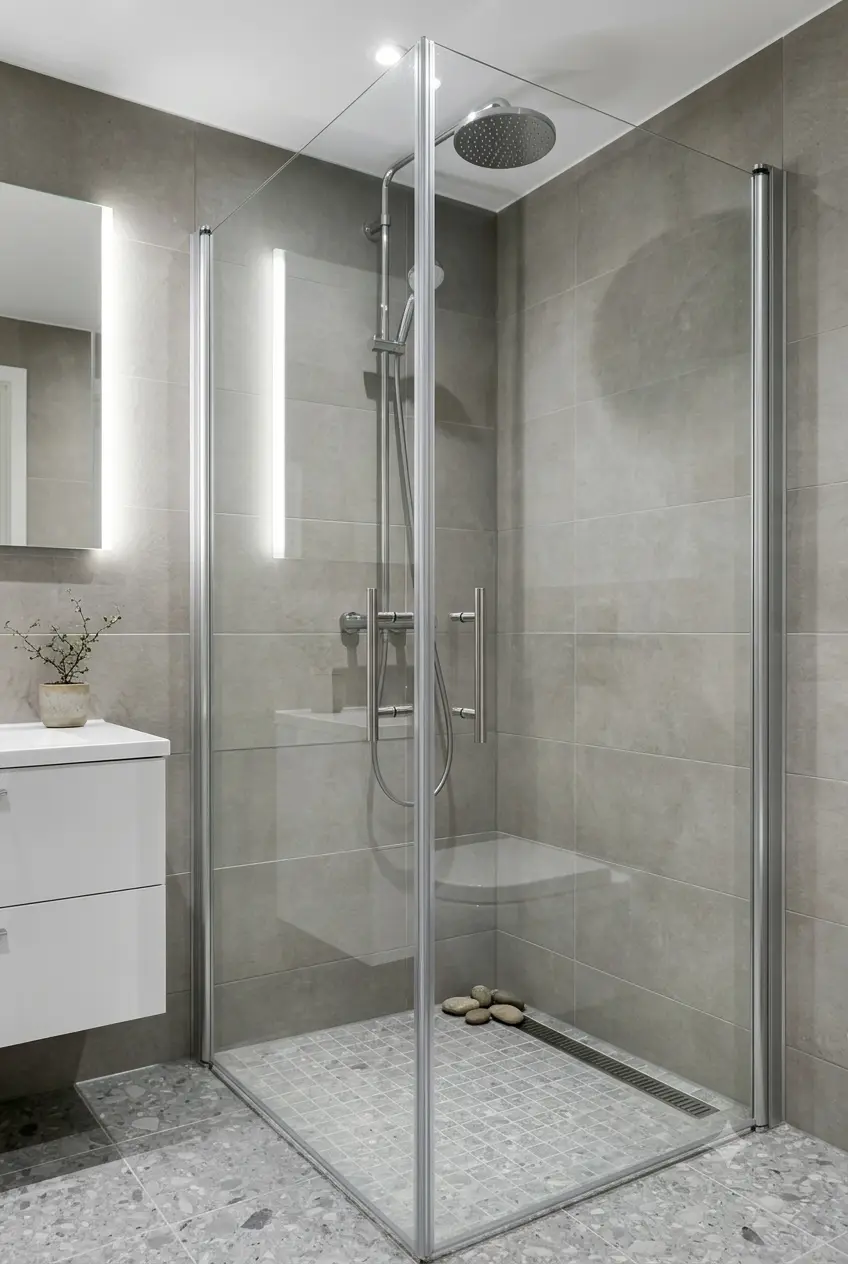
باب دش منزلق يلتصق, خشخيشات, أو تسرب خط من الماء على أرضية الحمام لا يكاد يكون بابًا مكسورًا. إنها قذرة. الآلية بسيطة بما فيه الكفاية, تركت نظيفة ومشحمة بخفة, نفس البكرات والمسار الذي تم فتحه بسلاسة في اليوم الأول يستمر في الفتح لسنوات. إن إهمال المسار والحصى الذي تتركه يتجمع فيه يؤدي إلى الضرر الذي ينهي عمر خدمة الباب مبكرًا.
لمديري المرافق, طواقم صيانة المباني, وفرق ما بعد البيع لدى الموزعين وأصحاب العلامات التجارية, هذا التمييز مهم تجاريا. روتين الصيانة الذي يمكن التنبؤ به هو ما يمنع عمليات الاسترجاعات من دفتر حسابات المورد ويبقي أبواب الحمامات الخاصة بالعقار خارج ميزانية الاستبدال. يغطي هذا الدليل ما يجب تنظيفه, عدد المرات, الأجزاء التي تبلى, وما هو المخزون الاحتياطي الذي يجب أن يحتفظ به فريق الصيانة لـ باب دش منزلق تثبيت.
الوجبات السريعة الرئيسية
- تعود معظم أخطاء الأبواب المنزلقة إلى الحصى الموجود في المسار والأختام البالية, لا للأجهزة الفاشلة.
- روتين يستغرق دقائق - امسح المسار, تحقق من البكرات, مسح الصرف - يمنع غالبية عمليات الاسترجاعات.
- قم بتشحيم محامل المسار والأسطوانة بمنتج يعتمد على السيليكون, لا يوجد زيت أو شحم يجذب الأوساخ أبدًا.
- الأختام وشرائط الاجتياح هي مواد استهلاكية; احتفظ بمخزون احتياطي حتى يتم إصلاح الباب المتسرب خلال عشر دقائق, ليست دورة المشتريات.
- بكرات, يتوقف, ويجب فحص المقابض وفقًا لجدول زمني واستبدالها عند التآكل, وليس بعد فشلهم.
- تحمي خطة الصيانة الموثقة ضمان الشركة المصنعة وسجل الخدمة الخاص بك.
كيف يرتدي الباب المنزلق فعليًا
قبل الروتين, فهو يساعد على فهم وضع الفشل. يعمل الباب المنزلق على بكرات داخل المسار, الموجهة أعلى وأسفل, وأغلقت ضد الختم. ثلاثة أشياء تسوء مع الاستخدام المنتظم:
- يصبح الحصى مادة كاشطة. مقياس الماء العسر, بقايا الصابون, شعر, ويتجمع الغبار في قناة المسار. في كل مرة يتحرك الباب, يتم سحب هذا الحصى تحت الأسطوانة, ارتداء العجلة وتسجيل سطح المسار. عادةً ما يكون الباب اللاصق مسارًا متسخًا قبل فترة طويلة من أن يصبح بكرة مكسورة.
- تهلك الأختام. تفقد شرائط المسح المطاطية والفينيل والأختام السفلية مرونتها مع تقدم العمر, مواد كيميائية للتنظيف, والحرارة. الختم المتصلب لم يعد يجلس متدفقًا, وهذا هو المكان الذي يتسرب فيه الماء إلى الأرض.
- الأجهزة المتحركة لها عمر محدود. محامل الأسطوانة, يتوقف, ومزالج القفل تأخذ كل فتح وإغلاق. يتم تصنيف الأسطوانات التجارية ذات الجودة العالية لعدد الدورات الثقيلة - تقوم شركة KJ Bath بتصنيف بكراتها إلى 100,000 دورات الدفع والسحب - ولكن حتى الجزء المقدر يتآكل بشكل أسرع إذا أصبح متسخًا.
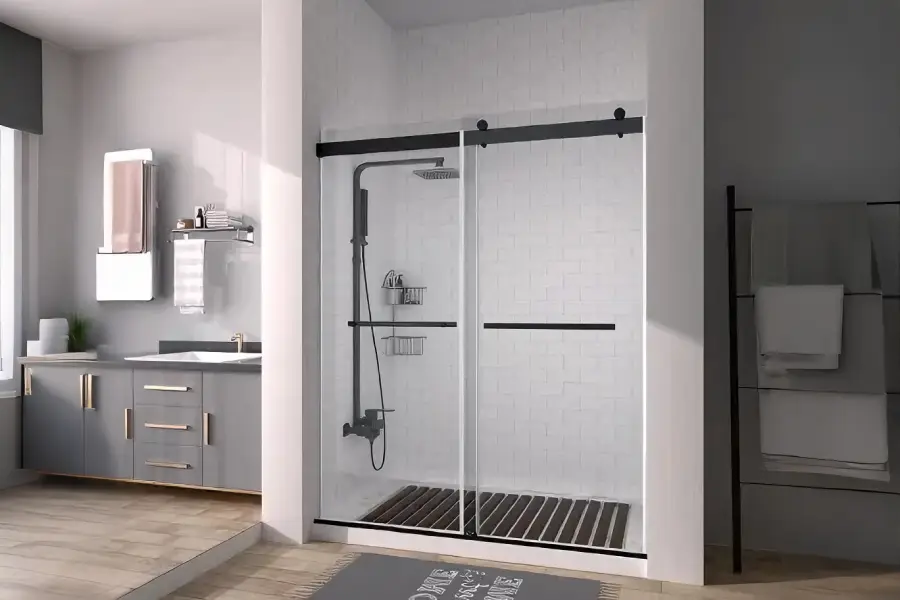
والخبر السار هو أن أوضاع الفشل الثلاثة جميعها بطيئة ومرئية. روتين الصيانة يمسك بهم مبكرًا, وهذا هو السبب في أن الفرق بين الباب الذي يدوم والباب الذي يتم استبداله غالبًا ما يرجع إلى التنظيف وليس التكلفة. لفهم ما تم تصميم الأجهزة لتحمله, دليلنا ل بكرات أبواب منزلقة واختبار 100000 دورة يشرح الهندسة وراء الأجزاء التي تقوم بصيانتها.
الروتين الأساسي: مسار, بكرات, واستنزاف
ثلاث مهام تشكل العمود الفقري لصيانة الأبواب المنزلقة. تم ذلك وفقًا لجدول زمني, يمنعون معظم ما يحدث من خطأ. تستغرق المجموعة بأكملها من عشر إلى خمس عشرة دقيقة لكل باب.
مسح وتنظيف المسار
المسار هو المكان الذي تبدأ فيه المشكلة وأول شيء يجب خدمته. افتح الباب بالكامل وقم بإزالة البقايا السائبة يدويًا أو باستخدام فرشاة تفريغ. ثم قم بتنظيف القناة: فرشاة خشنة أو فرشاة أسنان قديمة تخفف من حجم القشور, ومنشفة ورقية مطوية أو أداة مسطحة صغيرة يتم سحبها على طول الأخدود تمسح ما تتحرره الفرشاة. لرواسب الماء العسر المتصلبة, قطعة قماش مبللة بالخل الأبيض أو محلول إزالة الترسبات وتركها على المسار لبضع دقائق تخفف من الترسبات الكلسية قبل فركها.
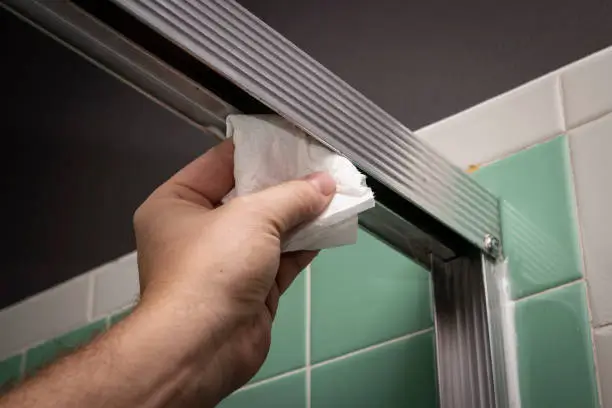
قم بتجفيف المسار قبل إغلاق الباب. الماء الراكد في مسار نظيف أمر جيد; الماء الموجود على النطاق المتبقي هو ما يتحول إلى الرواسب التالية. للحصول على طريقة التفكيك والتنظيف الكاملة على كلا المسارين العلوي والسفلي, بما في ذلك الأدوات والمنتجات, راجع دليلنا خطوة بخطوة كيفية تنظيف مسارات باب الدش.
مسح وفحص البكرات
مع المسار واضح, انظر إلى البكرات نفسها. امسح كل عجلة ومحملها بقطعة قماش مبللة لإزالة الأوساخ المتراكمة على المحور. كما تنظف, أدر كل بكرة يدويًا واستشعر علامتي التآكل: خشونة أو طحن يشير إلى أن المحمل يسير, والبقع المسطحة أو التشققات في مداس العجلة التي تشير إلى أنها أصبحت متسخة لفترة طويلة جدًا. الأسطوانة التي لم تعد تدور بحرية سوف تقوم بتنظيف المسار من التشحيم وتسريع التآكل الذي تحاول منعه. استبدله بدلاً من التنظيف حوله.
قم بتشحيم الأجزاء الصحيحة, مع المنتج المناسب
إن انزلاق المعدن النظيف مقابل المعدن النظيف يحتاج إلى التشحيم, لكن المنتج الخاطئ يجعل الأمور أسوأ. استخدم رذاذًا يحتوي على السيليكون أو مادة PTFE الجافة (تفلون) مواد التشحيم على المسار والمحاور الدوارة. لا تستخدم الفازلين, زيت الطبخ, أو الشحوم الثقيلة: فهم يجمعون الغبار ويحولونه إلى عجينة كاشطة تسد الباب. ضع طبقة خفيفة على طول المسار وقطرة واحدة لكل محمل أسطواني, ثم قم بتحريك الباب للخلف وللأمام عدة مرات لتشغيله ومسح الفائض.
حافظ على الصرف والعتبة واضحة
العنصر الأخير في الروتين الأساسي ليس جزءًا من الباب على الإطلاق. المياه التي تتجمع بسبب انسداد قناة التصريف الأرضية أو قناة العتبة تستقر على موانع التسرب وقاعدة الباب, مقياس التغذية وتسوس الختم. قم بمسح الصرف ومسار البكاء في نفس الوقت الذي تقوم فيه بتنظيف المسار, لذلك يجف العلبة بشكل صحيح بين الاستخدامات.
الأختام وشرائط الاجتياح: المواد الاستهلاكية الخاصة بك
إذا كان المسار هو مصدر معظم الشائكة, الأختام هي مصدر معظم التسريبات. القضبان السفلية, شرائط الاجتياح, والأختام المغناطيسية أو المتشابكة بين الألواح هي الأجزاء التي تتآكل بشكل متوقع ويجب معاملتها كمواد استهلاكية, وليس كالفشل. تصلب, ممزق, أو الختم الذي تغير لونه والذي يسمح لخط من الماء بالوصول إلى الأرض هو ببساطة في نهاية عمره الافتراضي وجاهز للتبديل.
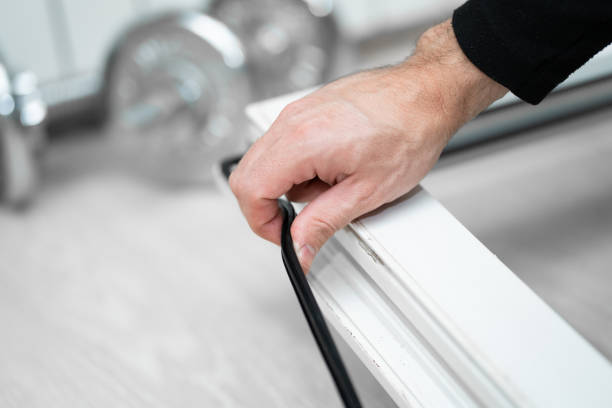
يعد استبدال الختم أحد أبسط الإصلاحات في المجموعة بأكملها. عادةً ما يتم سحب الشريط من القناة ويتم الضغط على الشريط الجديد, مطابقة الملف الشخصي الأصلي. لأن الجزء رخيص والمهمة سريعة, الخطوة الذكية هي المخزون: احتفظ بملفات الختم الصحيحة على الرف بحيث يتم إصلاح الباب المتسرب في نفس اليوم بدلاً من انتظار أمر العمل لجزء ما.
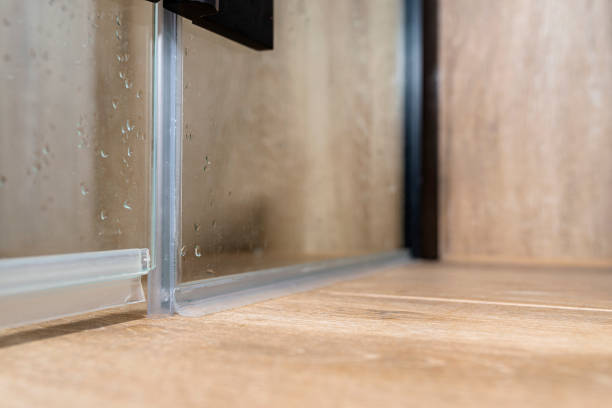
يعد تحديد الختم الذي تحتاجه أسهل باستخدام المفردات الخاصة به. ملكنا معجم مقصورة الدش يحدد شروط الختم والأجهزة, والمخصص دليل لأنواع ختم باب الحمام يتنقل خلال كل ملف تعريف بحيث يقوم أمر الصيانة بتسمية الجزء المحدد.
الزجاج والأجهزة بين التنظيف العميق
أعمال المسار والختم دورية. بينهما, تحدد العادات اليومية مدى سرعة تراكم القشور والأوساخ في المقام الأول, ومدة استمرار الانتهاء من الأجهزة.
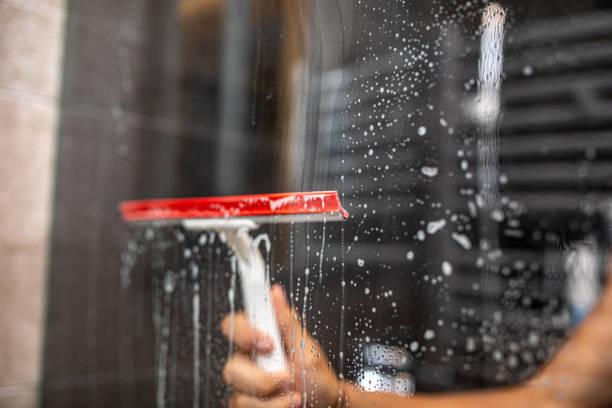
هناك عادتان تحملان معظم العبء. أولاً, ممسحة سريعة أسفل الزجاج بعد الاستخدام تزيل الماء قبل أن يجف ويتحول إلى قشور - وهو نفس المقياس الذي كنت ستنظفه خارج المسار لاحقًا. ثانية, استخدم الرقم الهيدروجيني المحايد, منظفات غير كاشطة على الزجاج والأجهزة. الدعك الكاشطة والأحماض القاسية أو مواد التبييض تهاجم المواد المانعة للتسرب والتشطيبات المطلية الباهتة والمطلية بـ PVD, وهذه هي الطريقة التي ينتهي بها المقبض الأسود غير اللامع بالبقع والطباشير. تعمل كيمياء التنظيف الصحيحة على حماية اللمسة النهائية والطلاء; دليلنا ل كيف تنظف الفنادق أبواب الدش الزجاجية يغطي المنتجات والأساليب التي تعمل دون تجريد الطلاء.
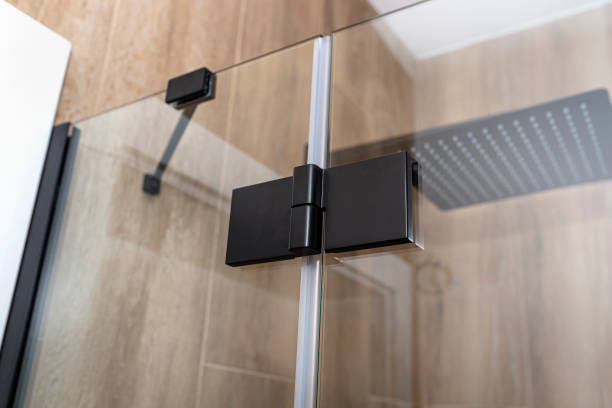
على الأجهزة, استخدم المسح للتحقق من البكرات. يشعر المفصلات والأقواس للتآكل, خاصة على الخصائص الساحلية أو ذات الرطوبة العالية حيث ينتهي هجوم الملح والرطوبة. قم بربط أي مقبض أو برغي قوس كان مفككًا. تأكد من أن اللوحة لا تزال مربعة في المسار وأن الكتل المضادة للقفز ثابتة. الباب الذي تحول من السحب المحاذاة, والسحب هو ما يرتدي البكرات ويتتبع معًا.
جدول الصيانة الذي يمكنك نشره على الحائط
تعمل الإجراءات الروتينية فقط إذا تمت جدولتها. الجدول أدناه عبارة عن إيقاع عملي للمنشآت التجارية والضيافة; يمكن للسكن الخاص تشغيل نفس القائمة بتردد أقل. اضبط الفواصل الزمنية حسب عسر الماء وحركة المرور على الباب - فالماء العسر والاستخدام المكثف يقصران كل دورة هنا.
| تكرار | المهام | انتبه ل |
|---|---|---|
| بعد كل استخدام | ممسحة زجاجية; شطف وهز المسار | ترك الماء ليجف على نطاق واسع |
| أسبوعي | قم بتنظيف الزجاج والأجهزة باستخدام منظف محايد; استنزاف واضح | تراكم الفيلم, النهاية الباهتة |
| شهريا | مسار كامل نظيف, مسح الأسطوانة والتحقق من الدوران, تزييت السيليكون الخفيف | حصى, بكرات خشنة أو قاسية |
| ربع سنوية | إزالة الترسبات من المسار والأجهزة; فحص جميع الأختام; تحقق من محاذاة اللوحة والمسامير | الأختام المتصلبة, سحب الباب |
| سنويا | استبدل الأختام البالية وأي بكرات مشبوهة; فحص التآكل الكامل في المواقع الساحلية | الأجزاء في نهاية عمر الخدمة |
مجموعة قطع الغيار: ما يجب الاحتفاظ به على الرف
يعد التوقف عن العمل على باب الحمام مشكلة في التدبير المنزلي والعلاقات مع الضيوف, ليست مجرد صيانة. الحل هو الاحتفاظ بالعناصر القابلة للتآكل في المخزون، بحيث لا ينتظر الاستبدال أبدًا عند طلب الشراء. يجب الاحتفاظ بكل عقار به العديد من العبوات المنزلقة, على الأقل:
- تجميعات الأسطوانة مطابق لنموذج الباب - وهو الجزء الوحيد الذي من المرجح أن يفشل.
- الأختام السفلية والاجتياحية في الملامح التي تستخدمها الأبواب, تباع بالمتر أو بالقطع المسبق.
- منصات الدليل / كتل مضادة للقفز التي تبقي اللوحة في المسار وتتحمل الاحتكاك.
- مقابض ومخزون من مسامير التثبيت للأجهزة التي تتفكك أو تتآكل.
- مادة تشحيم تحتوي على السيليكون ومحلول لإزالة الترسبات يتم الاحتفاظ بها مع المجموعة بحيث يكون للروتين المواد الاستهلاكية الخاصة به في متناول اليد.
الشراء مباشرة من الشركة المصنعة التي زودت الأبواب يزيل التخمين حول الملف الشخصي المناسب. تقوم شركة KJ Bath بشحن مجموعة قطع الغيار — بكرات وشرائط مانعة للتسرب للعناصر القابلة للتآكل — مع طلبات المشروع, بحيث يمكن للتركيب أن يبدأ فترة صيانته بالأجزاء الصحيحة الموجودة بالفعل في الموقع. لمحافظ الضيافة والكتل متعددة الأسر, يوفر فريق ما بعد البيع لدينا بدائل مطابقة للطراز والدفعة, مع التزام بالرد لمدة 12 ساعة على جميع الاستفسارات.
الحفاظ على مجموعة من الأبواب المنزلقة قيد التشغيل?
تدعم شركة KJ Bath المنشأة وفرق ما بعد البيع من خلال بكرات احتياطية متطابقة, الأختام, والأجهزة للأبواب المثبتة, بالإضافة إلى سجلات المواصفات الأصلية خلفها. أخبرنا بالنموذج وسنقوم بتزويدك بأجزاء التآكل المناسبة وورقة الصيانة التي يمكن لطاقمك اتباعها.
عندما لم تعد الصيانة كافية
الروتين يحافظ على عمل الباب السليم; ولا يُحيي الفاشل. قم بالتصعيد إلى الإصلاح أو الاستبدال عندما لا يؤدي التنظيف والتشحيم إلى استعادة الحركة السلسة, مما يشير إلى سطح مسار مهترئ بدلاً من بكرات متسخة. قم بالتصعيد عندما لا تكون اللوحة مربعة ولا يمكن إعادة المحاذاة عن طريق ضبط الأسطوانات, والذي يمكن أن يعني مسارًا منحنيًا أو إطارًا متحركًا. تتصاعد المشكلة عندما يظهر على الزجاج رقائق أو خدوش عميقة عند الحافة, لأن المزاج المتوتر هو مسألة تتعلق بالسلامة, ليست تجميلية.
لأي شيء تحت الضمان المباشر, قم بإخطار المورد قبل أن تقوم بالتفكيك بعد عملية التنظيف والتشحيم, والاحتفاظ بسجل الصيانة. الروتين الموثق هو بالضبط ما يدعم مطالبة الضمان, وهذا هو الفرق بين الجزء المغطى والجزء المحمل. إذا كانت المطالبة تبدو محتملة, شرح الضمان الخاص بنا على ما ينبغي أن تغطيه سياسة ما بعد البيع الجيدة يحدد الحدود بين المواد الاستهلاكية والأجزاء المضمونة.
لماذا الصيانة أسهل من KJ Bath
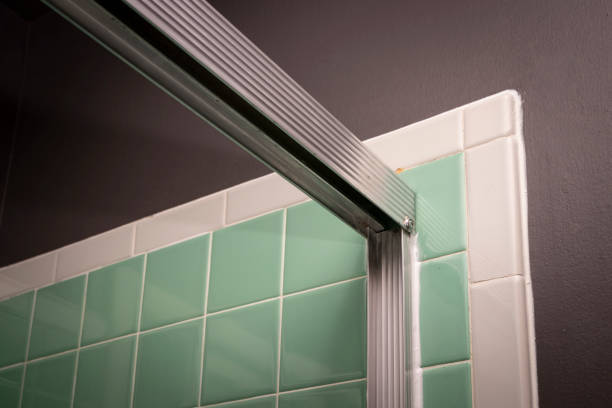
تكون الصيانة رخيصة فقط عندما تكون الأجزاء قياسية ومتوفرة. KJ باث (فوشان نانهاي كانجيان للأدوات الصحية) قامت بتصنيع حاويات الاستحمام منذ ذلك الحين 1999 عبر أ 15,000 مصنع متر مربع مع الألومنيوم الداخلي, زجاج, حَشد, وخطوط التعبئة والتغليف, إنتاج 1,000 يحدد شهرا لISO 9001, ايزو 14001, و ايزو 45001 الضوابط. يتم تصنيف بكرات ل 100,000 تم اختبار دورات الدفع والسحب والأجهزة باستخدام رش الملح وتم تشطيب PVD لمقاومة التآكل, لذا فإن الأجزاء التي تحتفظ بها مبنية وفقًا لمعايير موثقة وليس لمرة واحدة. لأن KJ Bath تحمل مواصفات موديلاتها — JL712, JP103, JL139, JK1934 والباقي — استبدال بكرات, الأختام, والأجهزة تتطابق مع الباب الأصلي, وحزمة احتياطية تحتوي على أوامر المشروع. مدعومة بضمان لمدة 5 سنوات وضمان الأجهزة لمدة 3 سنوات, الدعم الفني عبر الإنترنت مدى الحياة, والتزام الاستجابة لمدة 12 ساعة, عبء الصيانة على باب حمام KJ هو ميزانية المواد الاستهلاكية, ليس خطر الاستبدال. انظر خدمتنا والدعم أو تعلم المزيد عن KJ باث.
الأسئلة المتداولة
كم مرة يجب صيانة باب الدش المنزلق?
للمنشآت التجارية والضيافة, الإيقاع العملي هو تنظيف الزجاج والأجهزة أسبوعيًا, تنظيف المسار شهريًا مع فحص الأسطوانة والتشحيم الخفيف, فحص إزالة الترسبات والختم ربع سنوي, والاستبدال السنوي للأختام البالية والبكرات المشبوهة. يمكن للمنازل ذات الاستخدام الأخف أن تمتد لنفس المهام على فترات أطول. الماء العسر وحركة المرور الكثيفة تقصر كل دورة.
ما الذي يجب أن أقوم بتشحيم مسار باب الدش المنزلق به?
استخدم رذاذًا يحتوي على السيليكون أو مادة تشحيم جافة من مادة PTFE على المسار وقطرة لكل محمل أسطواني. تجنب الفازلين, زيت الطبخ, والشحوم الثقيلة, التي تجمع الغبار وتتحول إلى عجينة كاشطة تسد الباب. تطبيق معطف خفيف, عمل الباب ذهابا وإيابا, وامسح الفائض.
لماذا يستمر مسار باب الدش في الاتساخ?
لأنه يجمع كل ما يرميه الدش عليه: مقياس الماء العسر, بقايا الصابون, شعر, والغبار. وهذا التراكم أمر طبيعي, وهذا هو السبب في أن المسار هو العنصر الأول في أي روتين صيانة. ممسحة مطاطية بعد الاستخدام وتنظيف المسار شهريًا تمنع الحبيبات من أن تصبح المادة الكاشطة التي ترتدي البكرات وتسجل المسار.
كيف أعرف متى يحتاج ختم باب الدش إلى الاستبدال?
استبدل الختم عندما يصبح متصلبًا, ممزق, اصفرار, أو توقف عن الجلوس دافق, وكلما هرب الماء على الأرض. تعتبر الأختام وشرائط المسح من المواد الاستهلاكية ذات العمر الافتراضي المحدد, لذا تعامل معها كبدائل مجدولة بدلاً من التعامل معها كإخفاقات. احتفظ بالملفات الشخصية الصحيحة في المخزون حتى يتم إصلاح التسرب في نفس اليوم.
يمكن أن يؤدي التنظيف المنتظم إلى إتلاف باب الدش?
نعم, إذا كانت الكيمياء خاطئة. الدعك الكاشطة والأحماض القاسية أو الأجهزة المبيضة المطلية بطبقة باهتة ومطلية بـ PVD ومانعات التسرب الهجومية. استخدم الرقم الهيدروجيني المحايد, منظفات غير كاشطة على الزجاج والأجهزة, واحتفظ بمحلول الخل أو إزالة الترسبات للمسار حيث يحتاج الحجم إلى الرفع بدلاً من اللمسات النهائية.